

Menorca is easy to misunderstand. The photographs suggest a beach trip, but the island becomes more interesting when the coves stop being the itinerary and start becoming part of a wider rhythm.
A good Menorca stay is built around one or two bases, a few carefully chosen coastal days, an old town you actually return to, and enough empty space in the schedule for the island to feel like an island rather than a collection of pins.
Why Menorca works
Menorca has enough contrast to sustain a proper stay without demanding constant movement. The west feels different from the east; the north coast is rougher and less manicured than the south; inland roads move between dry-stone walls, farmland and small towns. UNESCO has recognised Menorca as a Biosphere Reserve since 1993, reflecting the value of its Mediterranean landscapes and habitats.
That does not mean Menorca is empty or unknown. Famous south-coast coves can be busy, especially in summer. The better question is whether the island gives you enough alternatives, enough stay depth and enough room to change the plan. For many travellers, it does.
Where to base yourself
- Ciutadella — best when you want old streets, evening atmosphere, a strong west-coast base and restaurants within walking distance.
- Maó — useful for the airport side of the island, harbour atmosphere and easier access to the east.
- Fornells or the north — a quieter, smaller-scale base when the coast, seafood and northern landscapes matter more than urban depth.
- Split stay — one base in the west and one in the east can make sense for a week if you dislike repeated cross-island drives.
Ciutadella and the west
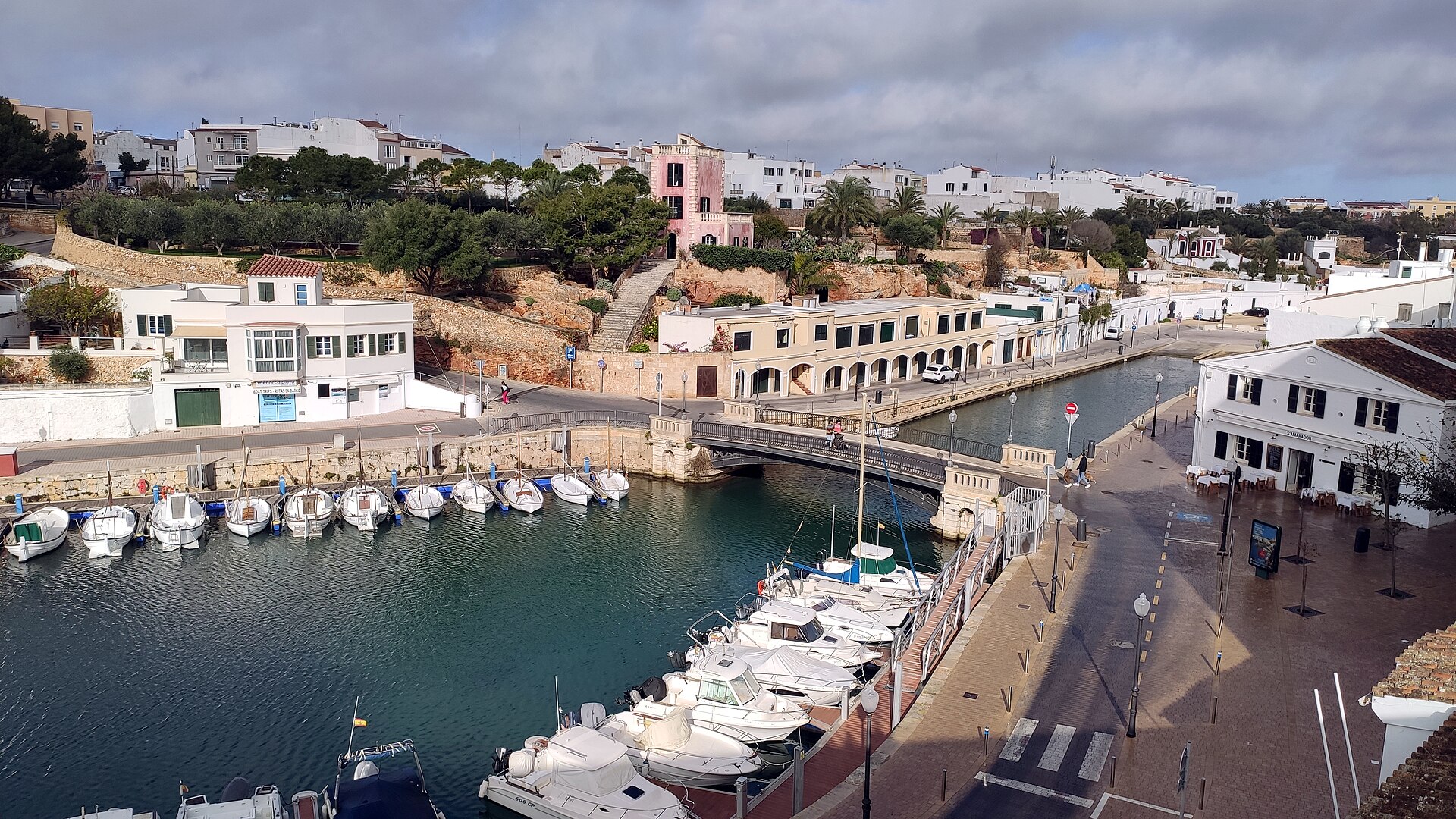
Ciutadella is the strongest base for travellers who want the day to end somewhere with texture. Its historic centre, port and narrow streets give the trip an evening identity that a resort-only stay often lacks.
Spain’s official tourism portal describes Ciutadella as Menorca’s former capital, with medieval streets, palaces, churches and a long port history. From here, the west and southwest of the island become easy to fold into the trip without making every day a road mission.
first-time Menorca trips, couples, old-town evenings and a stronger restaurant base.
3–4 nights works well if paired with a second base; 5–7 nights can work if you prefer staying put.
parking and the most famous nearby coves can add friction in peak summer.
Camí de Cavalls — the island on foot
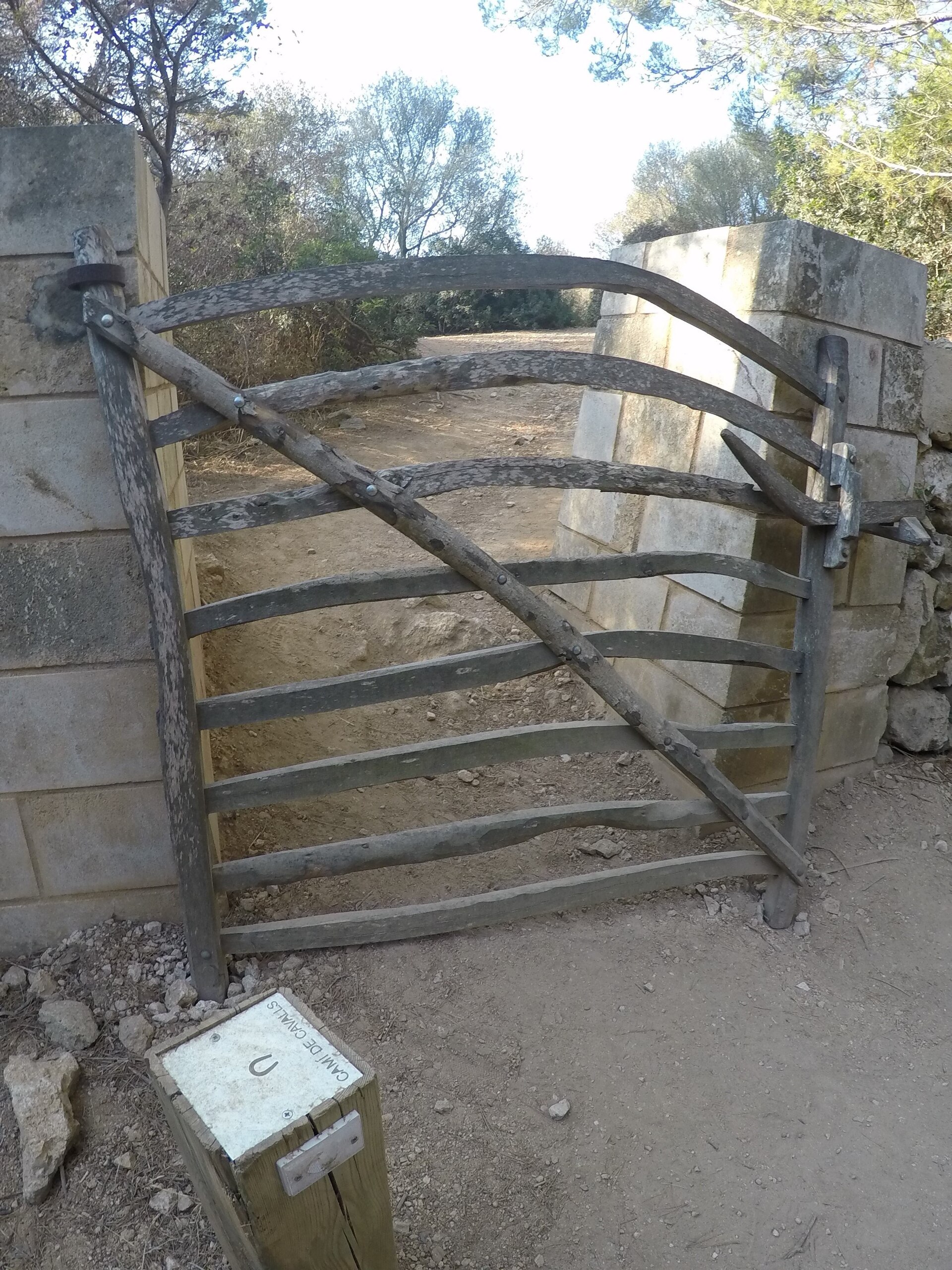
The Camí de Cavalls is one of the clearest reasons Menorca rewards a slower trip. Spain.info describes the historic coastal path as 185 kilometres divided into 20 stretches, now signposted as GR 223.
You do not need to walk the whole route. One well-chosen section can do more for the trip than another beach transfer because it connects landscape, coves, fields and cliffs into one continuous experience.
walkers, active mornings and travellers who want the landscape to be part of the journey rather than scenery between stops.
spring and autumn are the more natural walking seasons than the hottest summer weeks.
exposure, heat and logistics between trailheads still need real planning.
The coves — choose fewer, stay longer
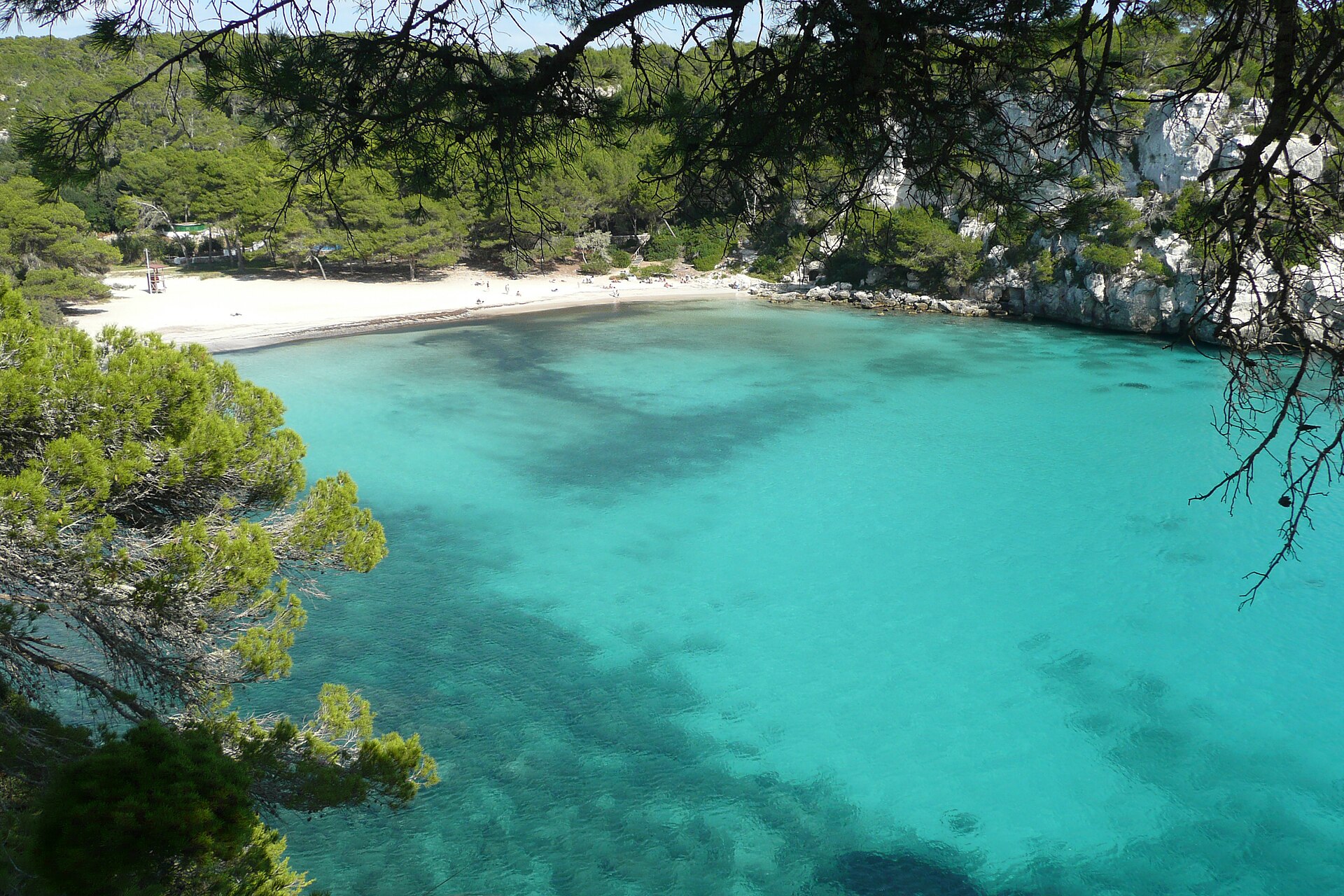
Menorca’s beaches are not all the same. The south is known for pale sand and clear water; parts of the north feel wilder and more exposed. The mistake is trying to collect too many in one stay.
Choose the coast according to wind, season, access and your base. Then give a cove enough time to become a place rather than a photo stop. Cala Macarella and other famous beaches can justify the attention, but fame also means crowd sensitivity.
swimming, slow afternoons, coastal photography and low-agenda days.
late spring and early autumn often balance water, light and lower pressure better than peak summer.
access rules, parking, shuttles and crowd conditions can change; verify live before a real Journey.
How many nights?
OREVYON’s sweet spot is usually five to seven nights. Three to four nights can work if you choose one side of the island and accept that you are seeing a version of Menorca rather than trying to cover it.
Beyond a week, the island still has depth if your travel style includes walking, repeated favourite places, long lunches and quieter days. If you need a new headline attraction every morning, it may start to feel small sooner.
When Menorca works best
Menorca is highly seasonal in feel. Summer brings the strongest beach energy and the most pressure at famous coves. Late spring and early autumn often fit travellers who value walking, outdoor meals and more room in the day. Winter can be beautiful but is a different proposition, with a quieter service pattern and less beach-oriented travel.
Mobility & friction
A car gives the most freedom for dispersed coves, trailheads and split-base travel. It is not the only way to experience Menorca, but a fully car-free itinerary works best when you accept a narrower geography and build around public transport, taxis, walking and one strong base.
Food & evenings
Menorca has more food identity than a quick beach trip suggests. Local references include seafood, caldereta de langosta, Mahón-Menorca cheese, cured meats and island gin. Evening depth is strongest when you stay somewhere with a real town rhythm — especially Ciutadella or Maó — rather than expecting nightlife to be the island’s main strength.
The OREVYON decision
Choose Menorca when you want coast without needing the trip to be only about the coast. It works particularly well for travellers who value atmosphere, walking, a few memorable meals and the freedom to do less.
Look elsewhere if you want dense nightlife, a fully frictionless car-free island or a long list of major cultural sights. Menorca’s strength is not headline density. It is how well the pieces hold together when you slow the trip down.