
The best ferry journeys are not dead time between two points. They reveal geography, change scale and make arrival feel earned; in some places removing the boat would remove part of the destination.
The OREVYON lens
A crossing belongs in Discovery when the movement itself adds understanding. The boat should reveal why the destination is shaped the way it is, not merely provide another photogenic transport mode.
Istanbul
Explore destination →
The Bosphorus ferry is the clearest urban example. It connects European and Asian districts while showing the city as a landscape of shores, hills and neighbourhoods. The crossing is both useful public transport and one of the best ways to understand Istanbul's scale.
Milos
Explore destination →
On Milos, sea access explains geology. A boat day around volcanic coastline turns Kleftiko and the wider shore into one continuous landscape and gives context to the beaches and villages you later experience from land.
Copenhagen
Explore destination →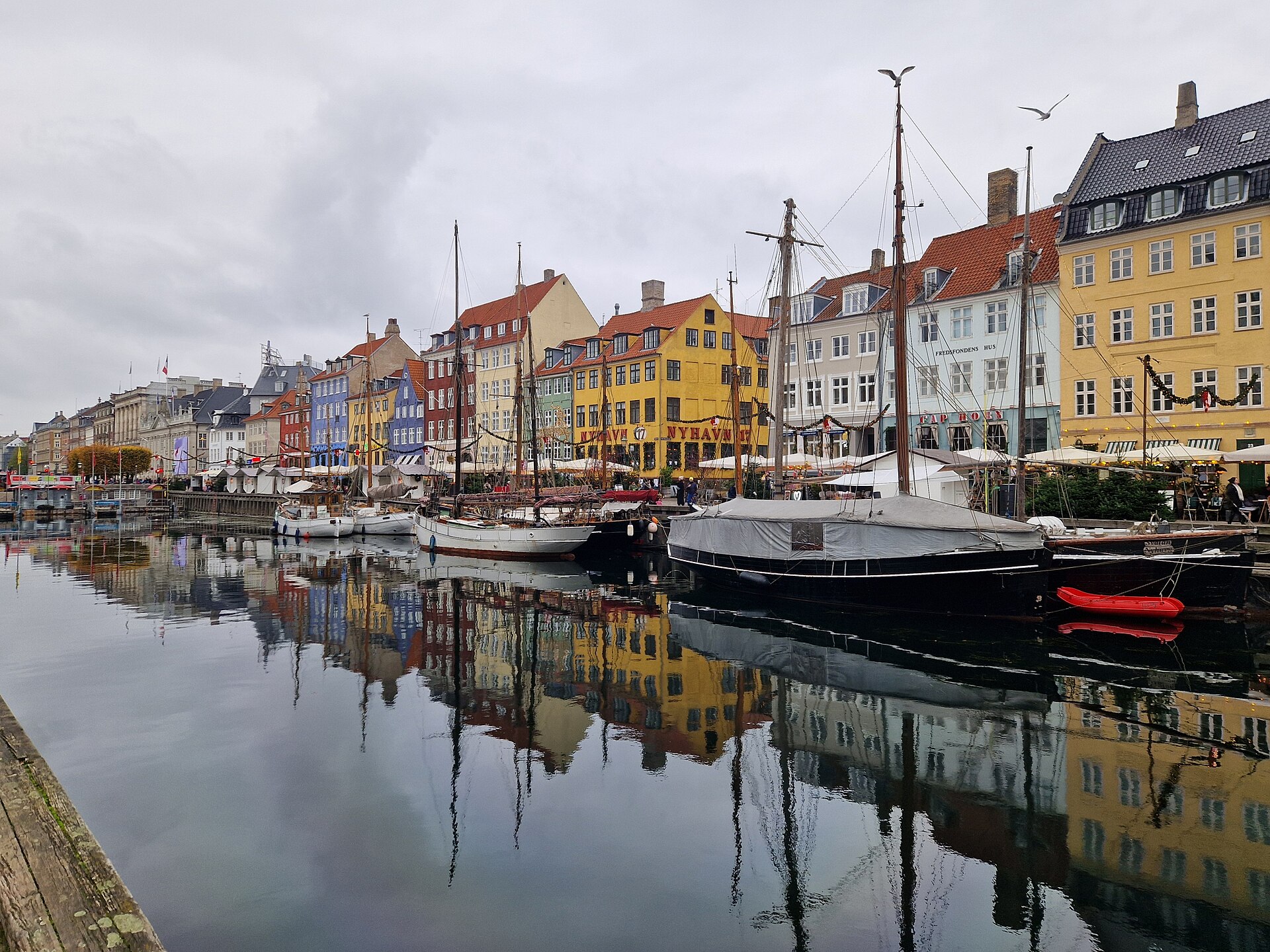
Copenhagen's harbour movement belongs here because water sits inside the city's daily mobility rather than outside it as an excursion. The value is subtle: waterfront districts feel more connected once the harbour is treated as part of the city grid.
Lake Orta
Explore destination →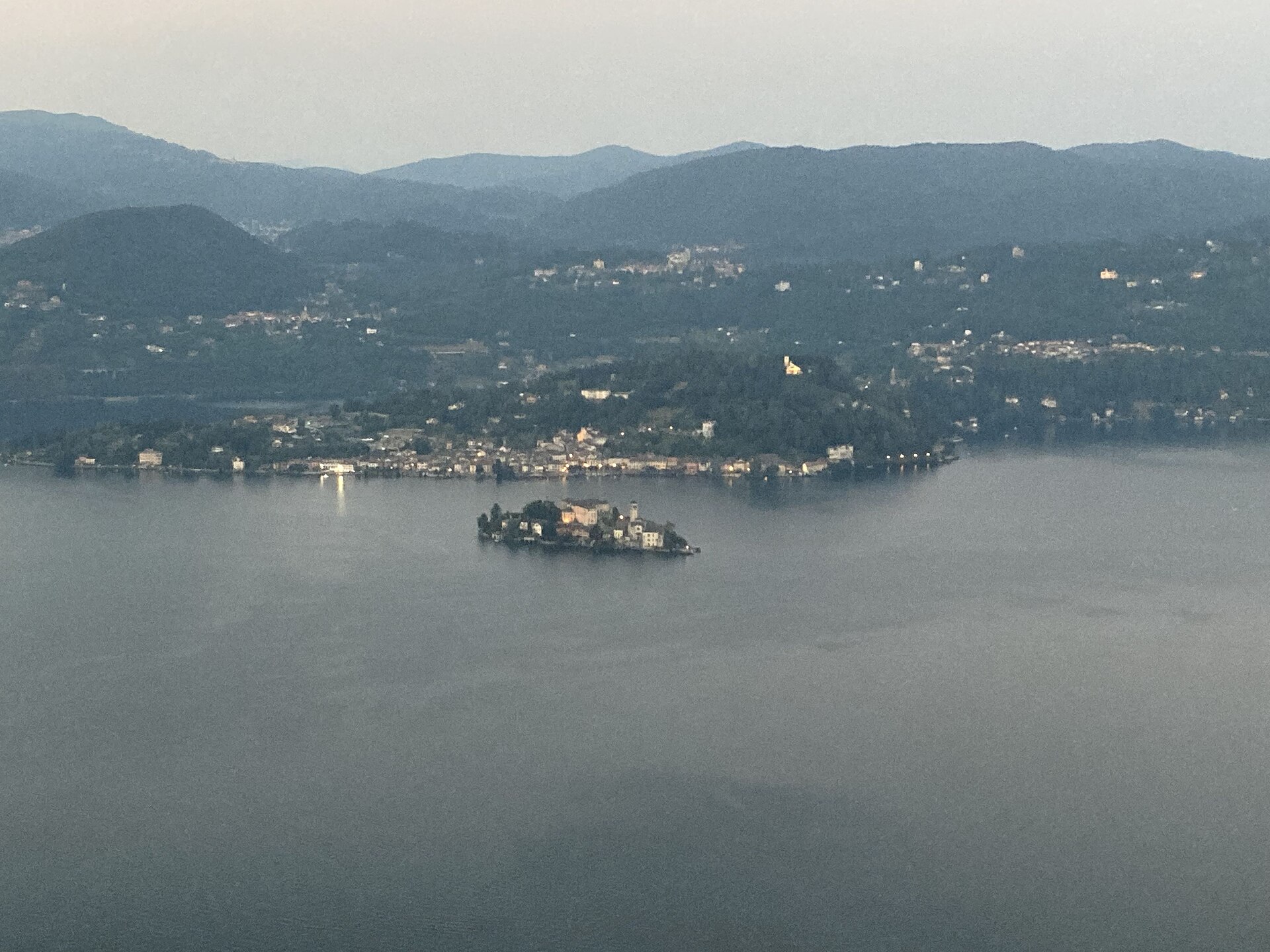
Lake Orta shows the small-scale version of the same idea. The short boat movement toward Isola San Giulio changes perspective and makes the compact lake geography feel intentional rather than merely scenic.
Menorca
Explore destination →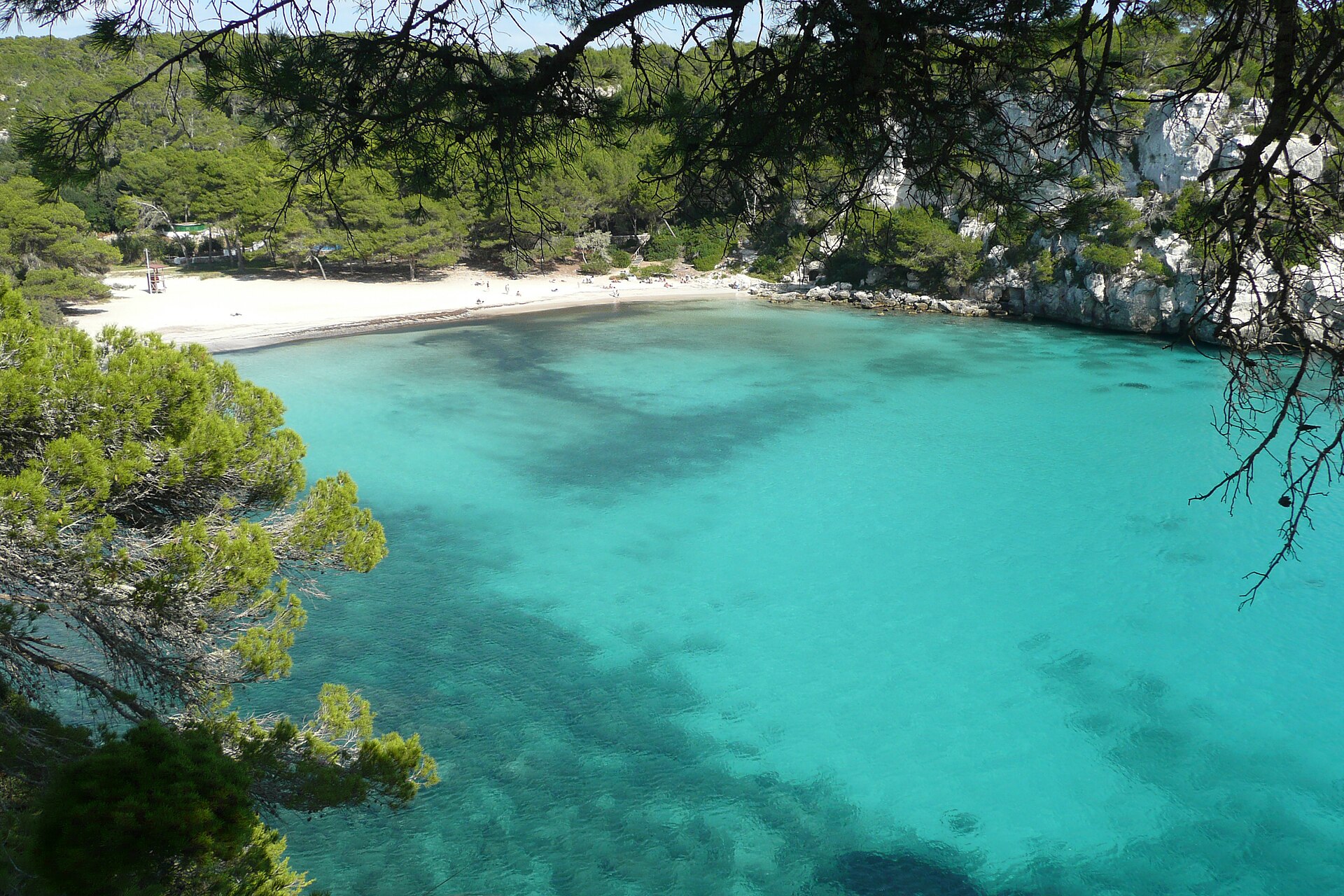
Menorca earns its place more selectively. Boat time matters when it reveals otherwise awkward stretches of coast or changes how you read the island's protected shoreline, but it should support a land-based Journey rather than replace the island's walking and village depth.
How to use this
Ask whether the boat is transport, experience or both. In Ask OREVYON, test the crossing against your actual route, season and mobility needs so it earns its place in the Journey rather than becoming a decorative detour.