
Changing hotels feels productive because the map moves. It is often the opposite. On a five-day trip, one well-chosen base can create more depth than two or three addresses and the packing, transfers and check-in gaps between them.
The OREVYON lens
A split stay should earn its cost. The second hotel must open a genuinely different geography or rhythm; otherwise the move merely consumes the flexible hours that make a short trip feel spacious.
Kyoto
Explore destination →
Kyoto is a strong one-base city because several cultural zones can be reached from one well-chosen neighbourhood. Moving hotels rarely solves crowding; better timing and area clustering usually solve more.
Copenhagen
Explore destination →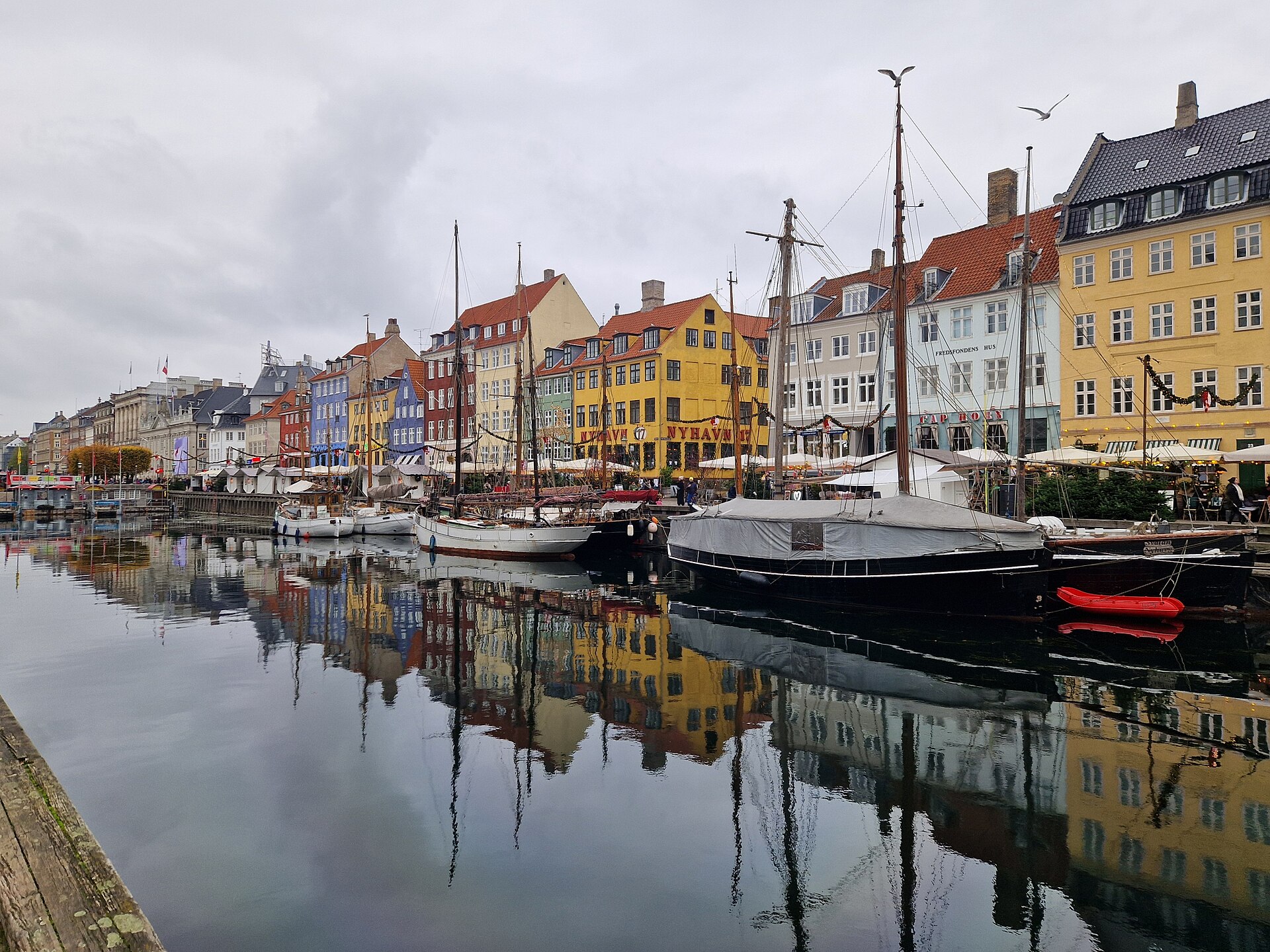
Copenhagen makes the case through compact mobility. Walking, cycling and transit let one base support very different days, so a hotel change has little chance of earning back the time it costs.
Lisbon
Explore destination →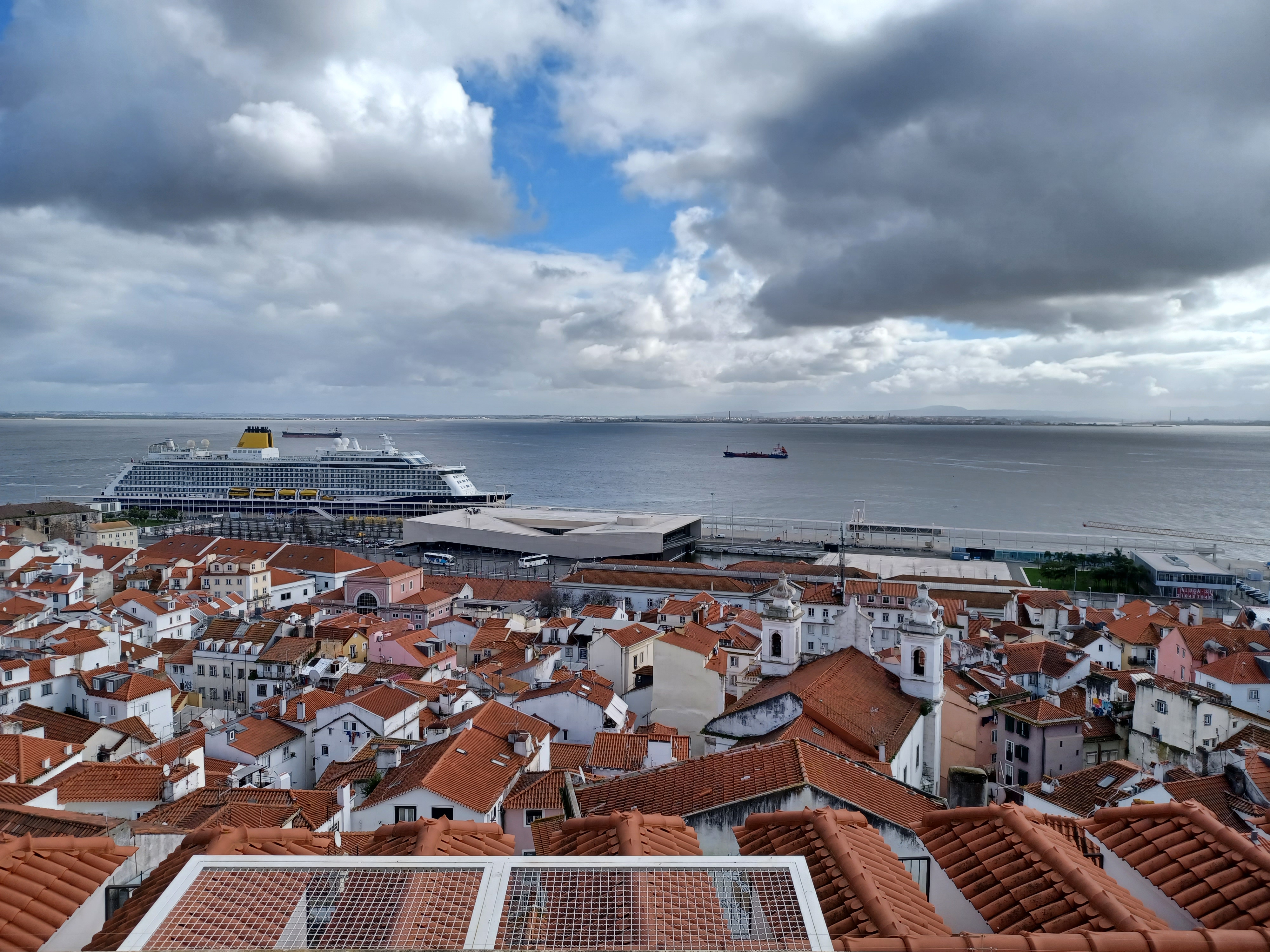
Lisbon's hills make neighbourhood choice important, but that does not mean multiple hotels are needed. One base that fits your evening rhythm and preferred gradients can support the entire city trip more elegantly.
Menorca
Explore destination →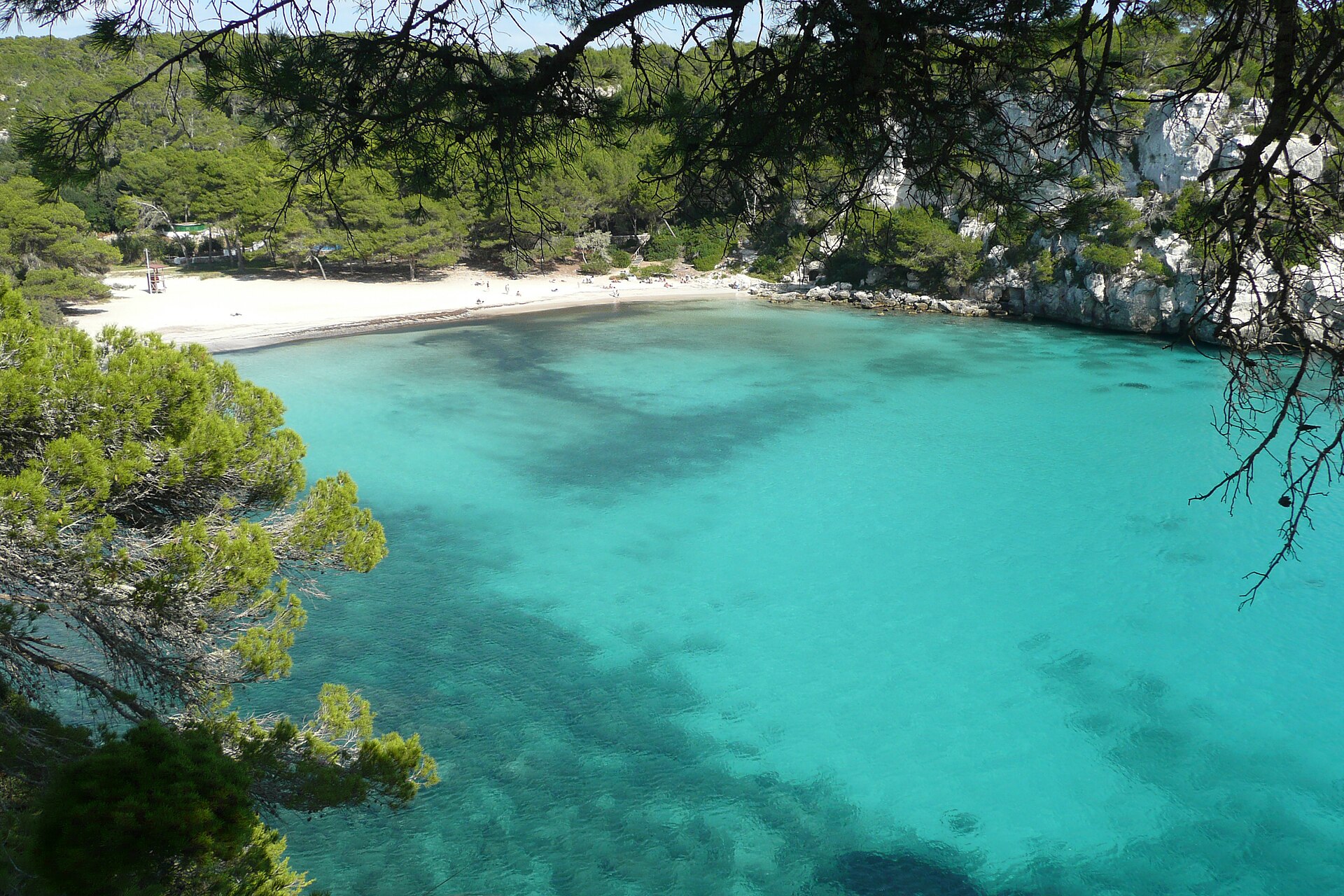
Menorca is the interesting edge case. One base can work very well if your range is intentionally limited; a split stay only earns value when it meaningfully reduces repeated island crossings or gives you a second evening world.
Alentejo
Explore destination →
Alentejo is where the split can become justified. A five-day trip still needs restraint, but Évora plus one rural or wine base can open a genuinely different chapter. The coast, however, usually deserves more time than a rushed third move.
How to use this
Compare the hours a hotel move costs with the hours it saves later. Ask OREVYON whether a second base changes the experience or merely changes the address.