
A beautiful hotel in the wrong neighbourhood can quietly weaken every day of a trip. The better question is not only where to sleep, but what you want to do before breakfast, after dinner and without opening a transport app.
The OREVYON lens
The neighbourhood is the part of the hotel you use for free every day. It determines your first walk, last dinner, spontaneous coffee and whether an unplanned hour feels useful. Over five nights those repeated small movements can matter more than a better lobby.
Tokyo
Explore destination →
Tokyo makes the trade-off obvious. Shinjuku/Shibuya, Ueno/Asakusa and Ginza/Marunouchi all offer strong access but create different evenings and different repeated rail movements. The right area depends on which version of Tokyo you want to come home to.
Istanbul
Explore destination →
In Istanbul, base choice changes cross-city friction dramatically. Sultanahmet, Beyoğlu/Galata and Kadıköy each give a different balance of monuments, food, ferry movement and evenings. A 'central' hotel can still be wrong for your daily geography.
Kyoto
Explore destination →
Kyoto makes neighbourhood fit a choice between heritage atmosphere, evening convenience and transport efficiency. Gion/Higashiyama, downtown and Kyoto Station are not interchangeable even when all have excellent hotels.
Lisbon
Explore destination →
Lisbon adds topography to the decision. A short distance can involve a meaningful hill, so the hotel area should be evaluated by gradient, late-evening route and what you want within easy walking range.
Copenhagen
Explore destination →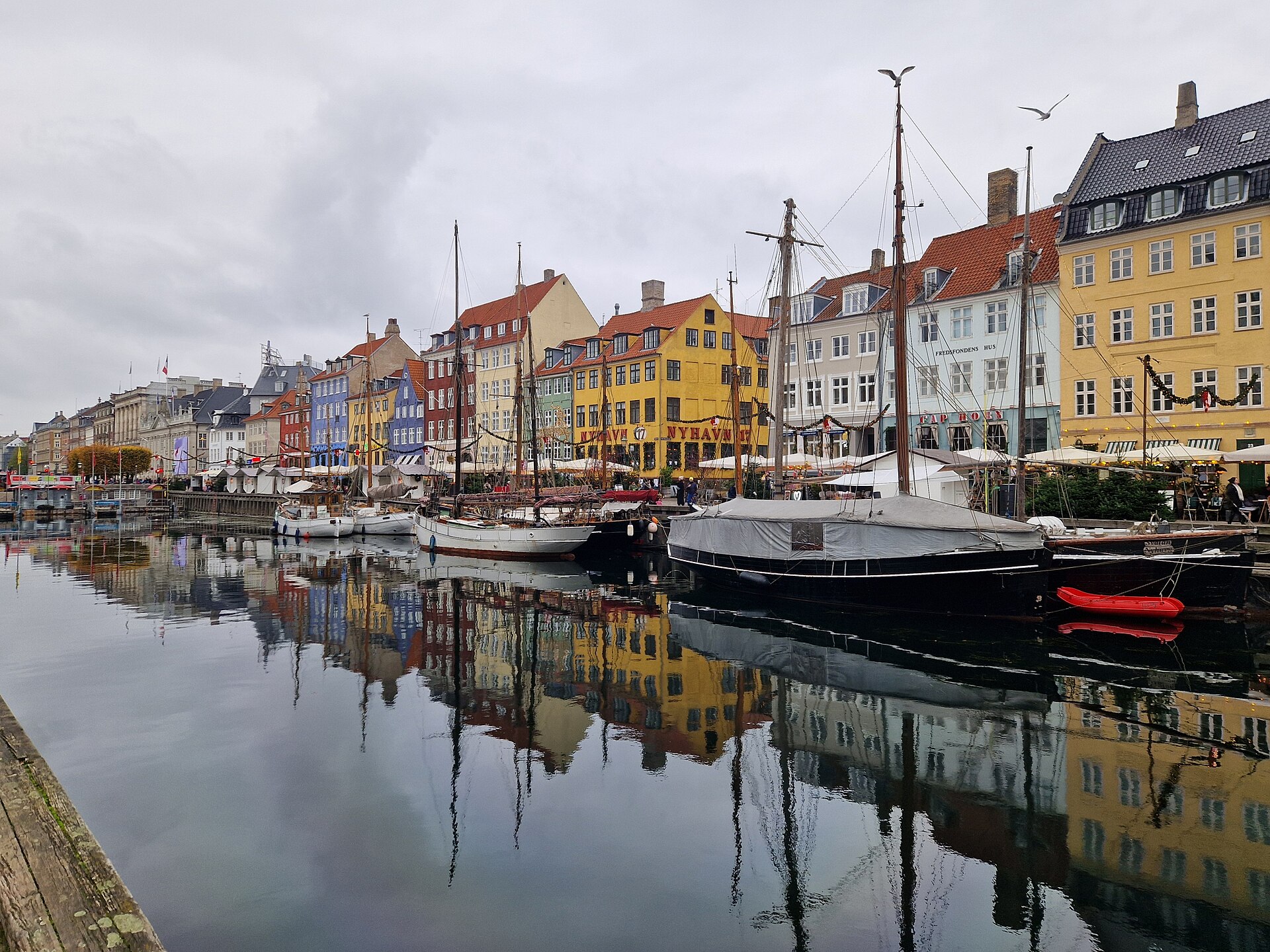
Copenhagen is more forgiving because mobility is compact, but neighbourhood still changes the mood. Waterfront calm, central convenience or more local evening energy can make the same hotel standard feel like a different trip.
How to use this
Before comparing hotel scores, define the repeated moments you want easy. Ask OREVYON to evaluate the neighbourhood against your morning start, evening return, transport tolerance and the districts you expect to revisit.