
Alentejo makes more sense when you stop asking how many places can fit into the trip and start asking how much space you want around each day.
The region stretches across a large part of southern Portugal. Its appeal is not one headline sight but the relationship between plains, cork oaks, olive trees, wine, whitewashed towns, historic cities and a coast that feels very different from the inland.
Why Alentejo works
Visit Portugal describes Alentejo through broad plains, wheat fields, cork oaks, olive trees, vineyards, walled towns and wild beaches. That variety gives the region real stay depth, but only if the itinerary leaves room for distance.
Alentejo is quiet in the OREVYON sense rather than the literal sense. You can find calm landscapes and low-key evenings, but popular towns, summer weekends and coastal hotspots can still be busy. The strongest version is selective rather than exhaustive.
Where to base yourself
- Évora — strongest first base for history, restaurants and a walkable old centre.
- Monsaraz / Reguengos — for a smaller-scale stay, wine country, lake views and a slower rural rhythm.
- Estremoz / Vila Viçosa — useful for marble towns, wineries and northern Alentejo.
- Alentejo Coast — best when the Atlantic, hiking and long beach days should shape the second half of the trip.
Évora — the cultural anchor
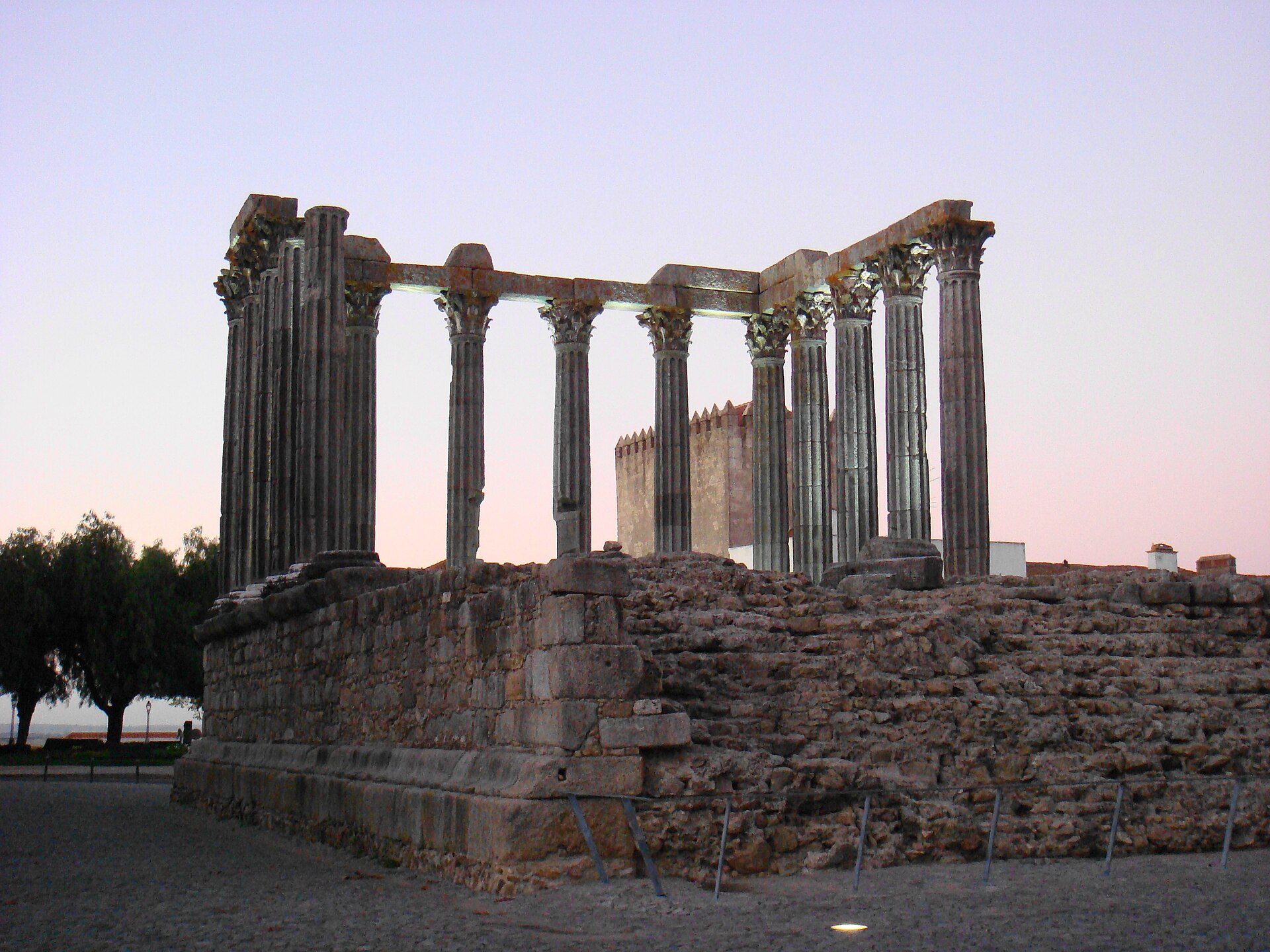
Évora gives Alentejo a proper urban centre without changing the region’s slower character. UNESCO describes its historic centre as a city shaped by more than twenty centuries of history, with Roman remains, medieval layers and whitewashed architecture.
For OREVYON, Évora works because it gives a road trip an anchor. You can walk to dinner, stay inside or near the historic centre and use the city as a reset between rural days.
first-time Alentejo trips, architecture, history, restaurants and a car-light first or last day.
2 nights is enough for a focused stay; 3 works if you want slower mornings and nearby wine or countryside.
midsummer heat can change the rhythm of the day; mornings and evenings become more important.
Cork, wine and the interior
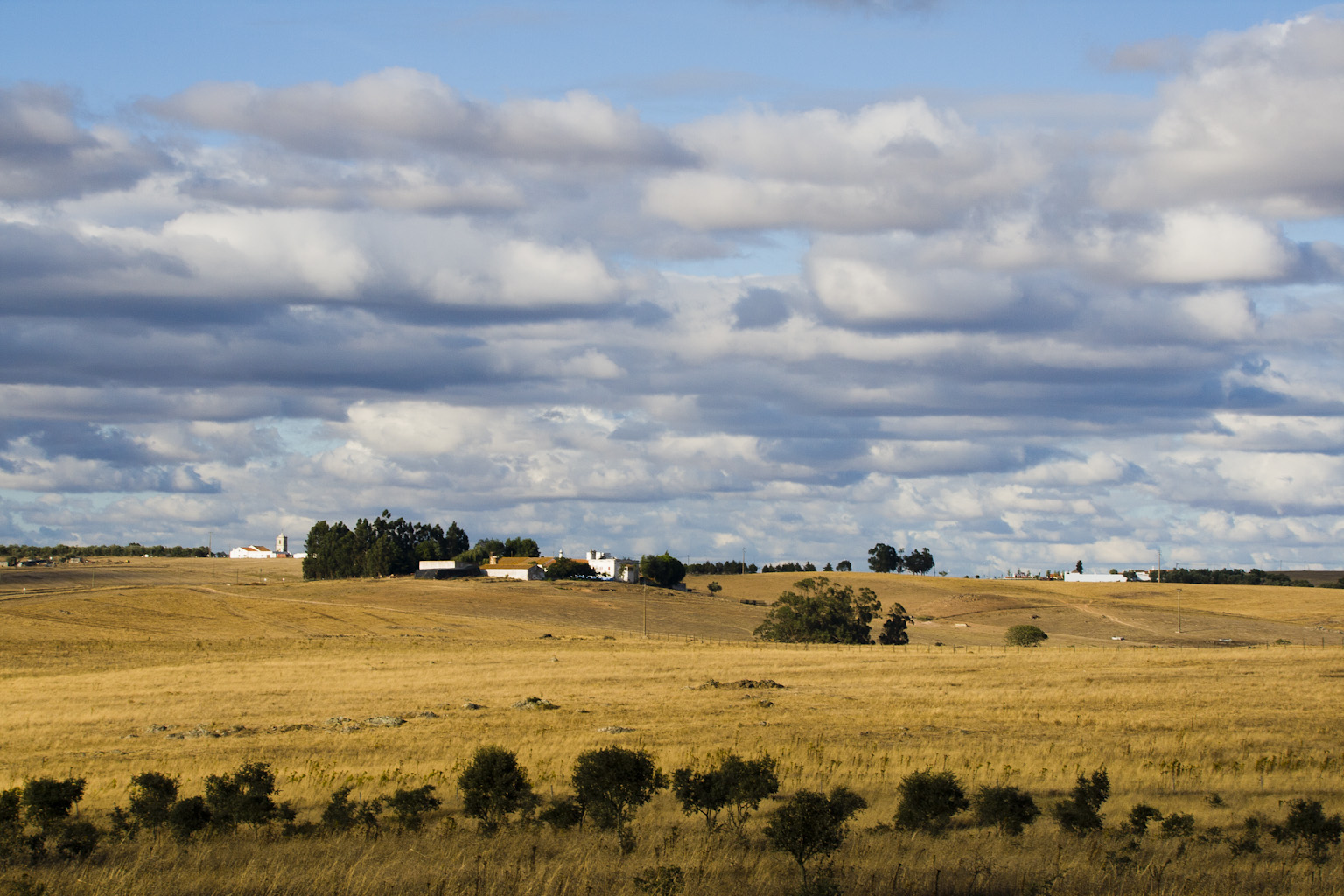
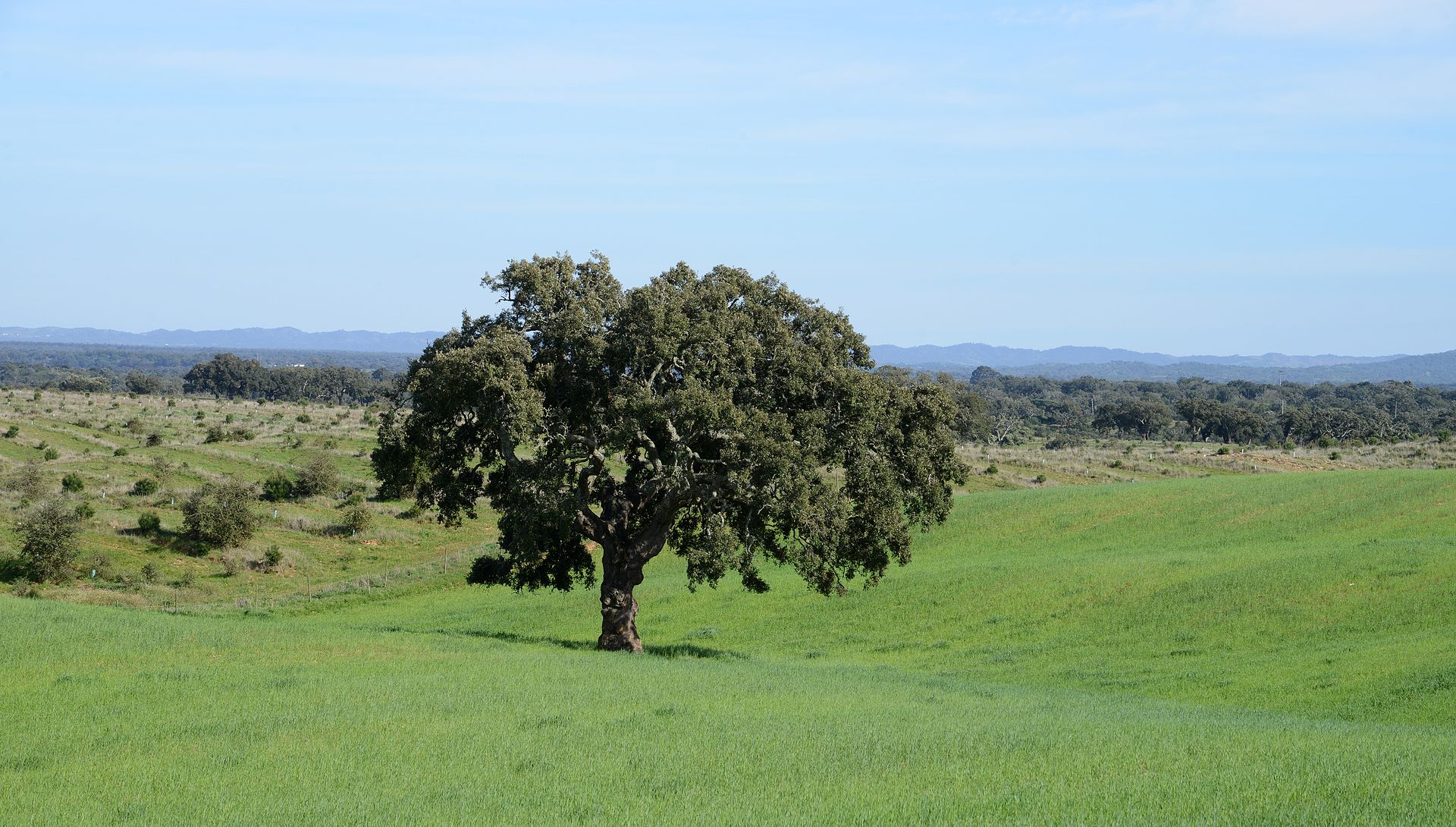
The interior is where Alentejo’s scale becomes the point. Cork oaks, vineyards, olive groves and wide agricultural landscapes are not just scenery between towns — they are the visual identity of the region.
This is the part of the trip where one good country stay can be more valuable than another town. Build in a winery, a long lunch, a hilltop village and enough time to return to the same terrace before sunset.
countryside hotels, wine, local food, road trips and travellers who value landscape as much as sights.
2–4 nights inland can transform the trip from sightseeing into a proper regional stay.
over-planning creates long drives quickly because the region is larger than it looks on a short itinerary.
The Atlantic coast — a different Alentejo
The coast changes the rhythm again. Visit Portugal describes the Alentejo coast from the Sado estuary toward Zambujeira do Mar as a preserved stretch of beaches, fishing culture and hiking, with sections of the Rota Vicentina following the coastline.
This is not the same trip as inland Alentejo. Add the coast when you genuinely want ocean days, walking and seafood — not simply because it is there.
Atlantic beaches, coastal walking, seafood and a slower second chapter after the interior.
2–4 nights works well when paired with an inland base.
summer demand and road access can increase friction around the most popular coastal towns.
How many nights?
Five to eight nights is the most natural range for a first Alentejo trip. Four nights can work if you choose either interior or coast. A week allows two or three bases without turning every day into a transfer.
When Alentejo works best
Spring and autumn are especially attractive when you want walking, wine, outdoor meals and less heat. Summer works if you accept hotter inland days and build the rhythm around mornings, long lunches, pools and evenings. Winter is quieter still, but the trip becomes more about food, landscape and towns than outdoor living.
Mobility & friction
Évora is reachable without a car, but the deeper regional experience is easier with one. Vineyards, hill towns, rural hotels and coastal combinations are dispersed. OREVYON would not force a car-free identity onto this destination if it makes the trip noticeably thinner.
Food & evenings
Alentejo is a food-and-wine destination as much as a landscape one. Long lunches, regional wines, bread, olive oil, pork, game, cheeses and simple local cooking fit the rhythm naturally. Evenings tend to be atmospheric rather than nightlife-led.
The OREVYON decision
Choose Alentejo when space is part of what you are travelling for. It suits travellers who would rather have one excellent lunch, one memorable hill town and one slow afternoon than five attractions before sunset.
Look elsewhere if you want dense nightlife, a completely car-free regional trip or a destination where every highlight sits close together. Alentejo’s value comes from distance — but only when the itinerary respects it.