
Some cities become more legible after dinner. The tourist timetable loosens, neighbourhoods take over from monuments, and food, light and local movement begin to reveal a different city.
The OREVYON lens
The point is not nightlife volume. The interesting cities are those where darkness changes the reading of place: ferries become atmospheric, restaurant districts become social maps, historic streets regain texture or a compact city reveals several distinct evening moods.
Istanbul
Explore destination →
Istanbul's evening is shaped by water and neighbourhood. A ferry crossing can divide the day from the night, and food-led districts on both sides of the Bosphorus make the evening feel like a new chapter rather than an extension of sightseeing.
Tokyo
Explore destination →
Tokyo changes through district contrast. One evening can be high-energy and vertical, another quiet and food-led. The city becomes easier to understand when you stop treating 'Tokyo nightlife' as one thing.
Lisbon
Explore destination →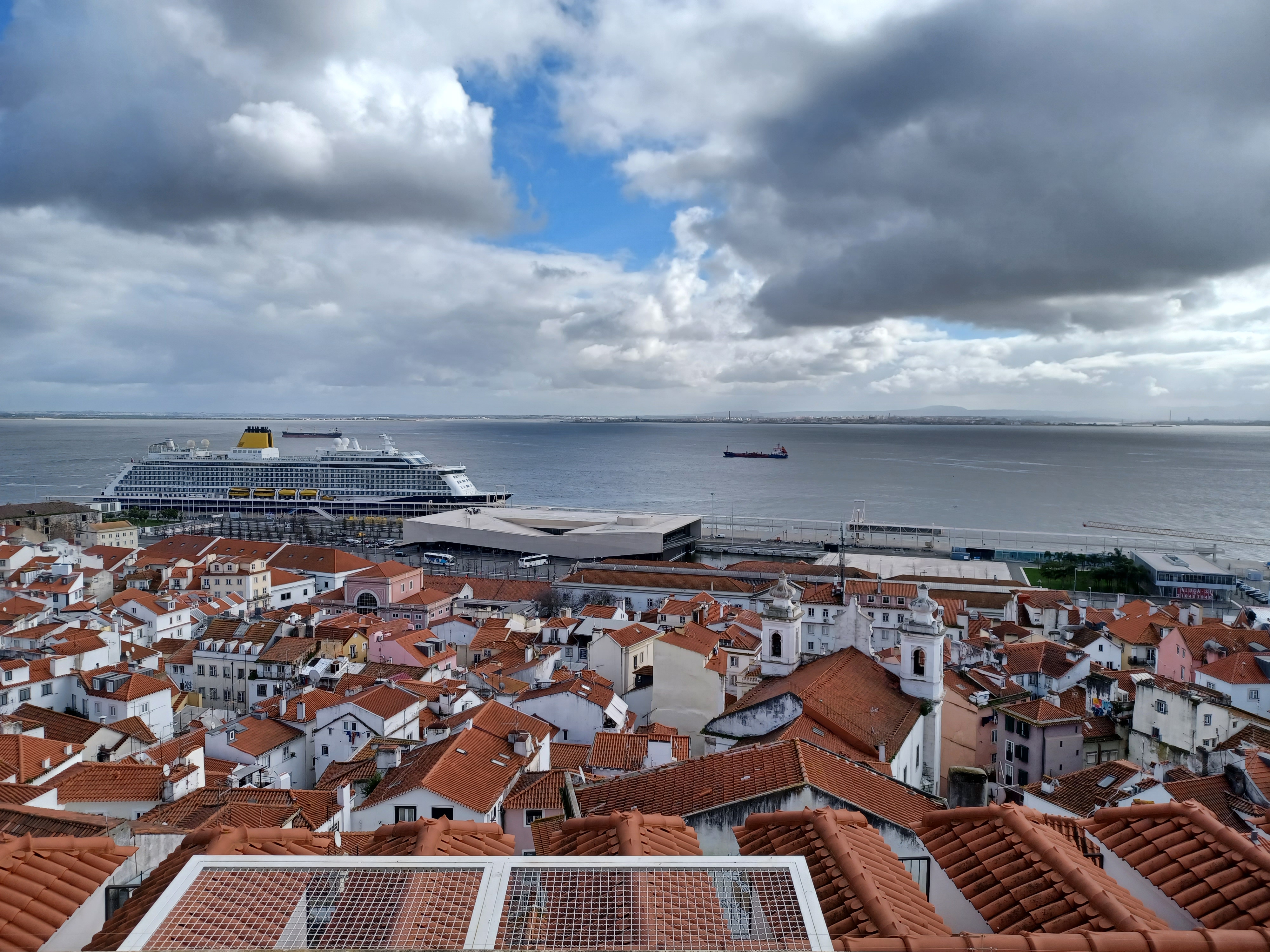
Lisbon's after-dark appeal comes from topography and neighbourhood. Dinner, river views, bars and late streets sit in different zones, so the shape of the evening depends heavily on where you choose to end the day.
Copenhagen
Explore destination →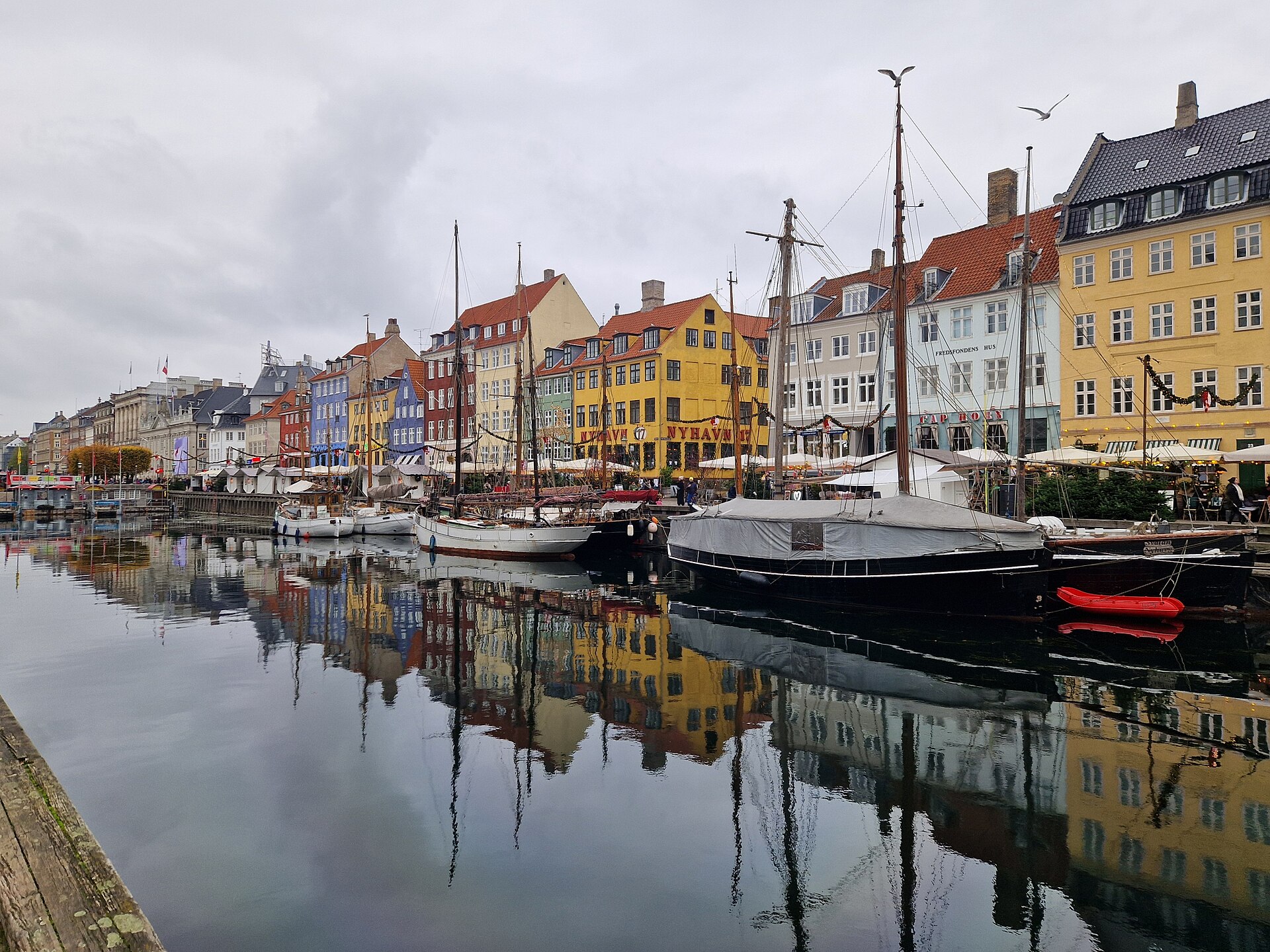
Copenhagen proves that an evening can be varied without being chaotic. Waterfront calm, neighbourhood bars, Vesterbro energy and a compact movement system create distinct nights inside a city that remains easy to navigate.
Kyoto
Explore destination →
Kyoto's advantage is subtraction. As visitor pressure falls, some streets recover stillness and dinner becomes the main event. The city offers less conventional nightlife but a stronger sense of contrast between day and evening.
How to use this
Choose your base partly by the evening you want to repeat. Ask OREVYON to compare after-dark rhythm, late transport, dinner style and crowd tolerance rather than treating nightlife as a separate category.