
Some destinations are not merely good places to eat; food changes why you go, where you stay and how you structure the day. This collection treats eating as travel intelligence rather than a restaurant appendix.
The OREVYON lens
The destinations below are not grouped because they have famous restaurants. They belong together because food changes travel behaviour: where a day begins, which neighbourhood deserves an evening, how much should be reserved and when a meal is more valuable than another attraction.
Istanbul
Explore destination →
Istanbul makes food part of urban navigation. Street food, markets, meze and slower dinners belong to different moments and neighbourhoods, so the strongest plan eats where the day already has depth instead of crossing the city for every recommendation.
Tokyo
Explore destination →
Tokyo rewards a layered food strategy: specialist counters, casual local meals, markets and destination dining can all coexist. The intelligence is knowing what deserves a fixed reservation and what is better left to the district you happen to be exploring.
Lisbon
Explore destination →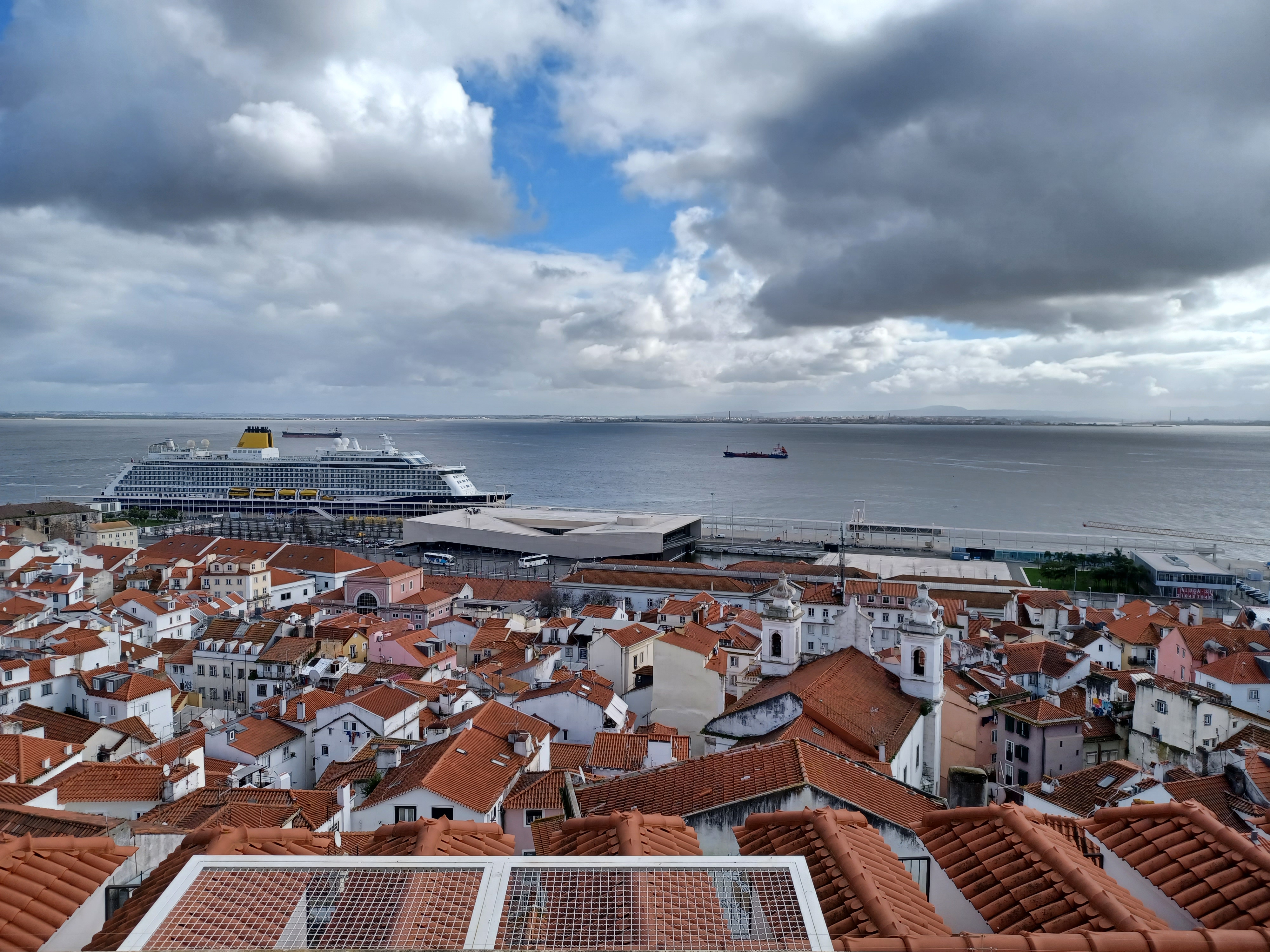
Lisbon works when eating is tied to neighbourhood and gradient: the best meal is often the one that belongs to the route you are already walking. Riverfront, central districts and quieter residential areas create different food-and-evening combinations rather than one citywide dining circuit.
Copenhagen
Explore destination →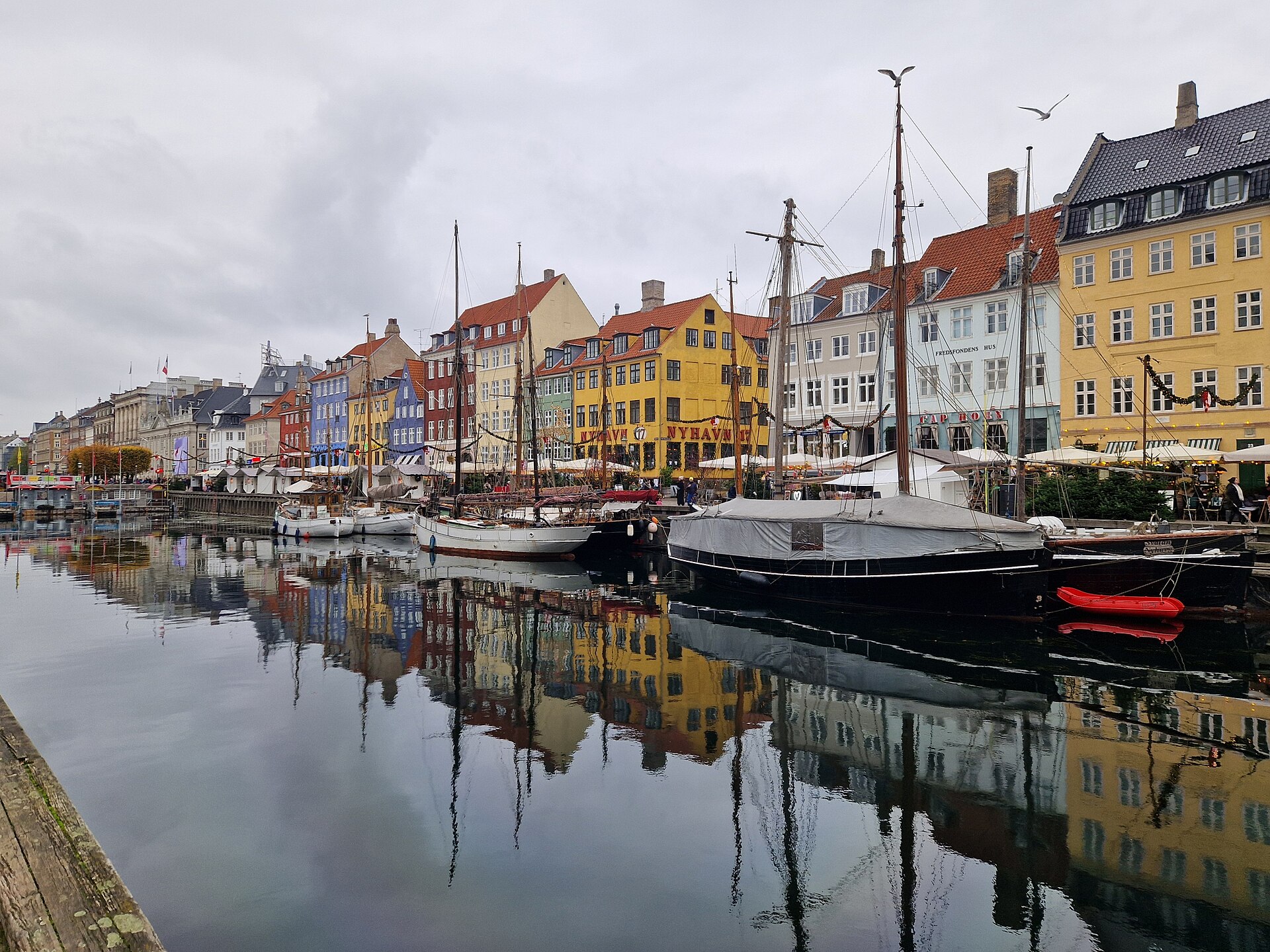
Copenhagen's food value comes from range: markets, bakeries, neighbourhood restaurants and higher-end dining can sit inside a compact mobility system. Because movement is easy, you can be selective without turning the entire day into transport.
Alentejo
Explore destination →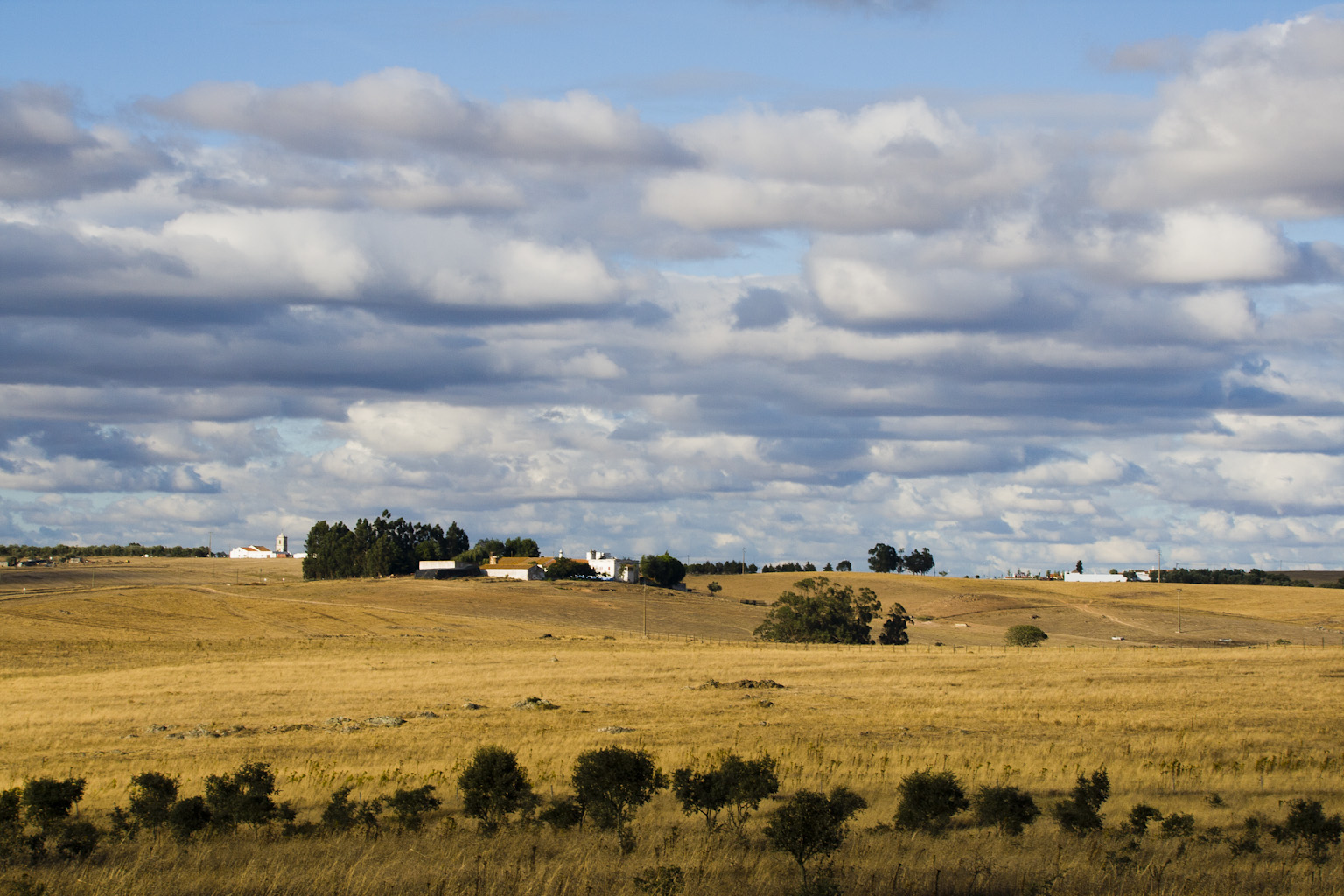
Alentejo is the slow-food counterpoint. Wine, olive oil, bread, pork, cheeses and long lunches make time itself part of the meal. Here a strong lunch can legitimately replace another stop and make the road trip feel more coherent rather than less productive.
Kyoto
Explore destination →
Kyoto connects food to season, place and cultural rhythm. The strongest plan mixes deliberate dining with simpler neighbourhood meals and lets the area you are already visiting determine where the meal belongs.
How to use this
Use the collection to decide what role food should play in the Journey: reason to travel, anchor for one evening, or texture between other priorities. Ask OREVYON to optimise meals against your route, not as a separate list.