


A food-led way to read Rome, connecting meals with neighbourhood or landscape rhythm rather than treating dining as a separate reservation layer. For Rome, the most relevant context is this: Layered capital where ancient Rome, papal history, Baroque streets, neighbourhood food and major green archaeological areas coexist across a large walkable core.
How much food really matters here
A meaningful part of the destination experience. In Rome, food should therefore not automatically become a separate restaurant list. The better question is how food works with Ancient history, Art and architecture and the rhythm of the area you are already in.
Eat geographically
Excellent without a car through walking, metro, buses and rail; many of the strongest central experiences connect naturally on foot. That mobility profile makes one simple rule valuable: do not cross the destination for every meal. Let lunch or dinner become the natural end of a half-day so food deepens the route instead of breaking it.
Use food as pacing
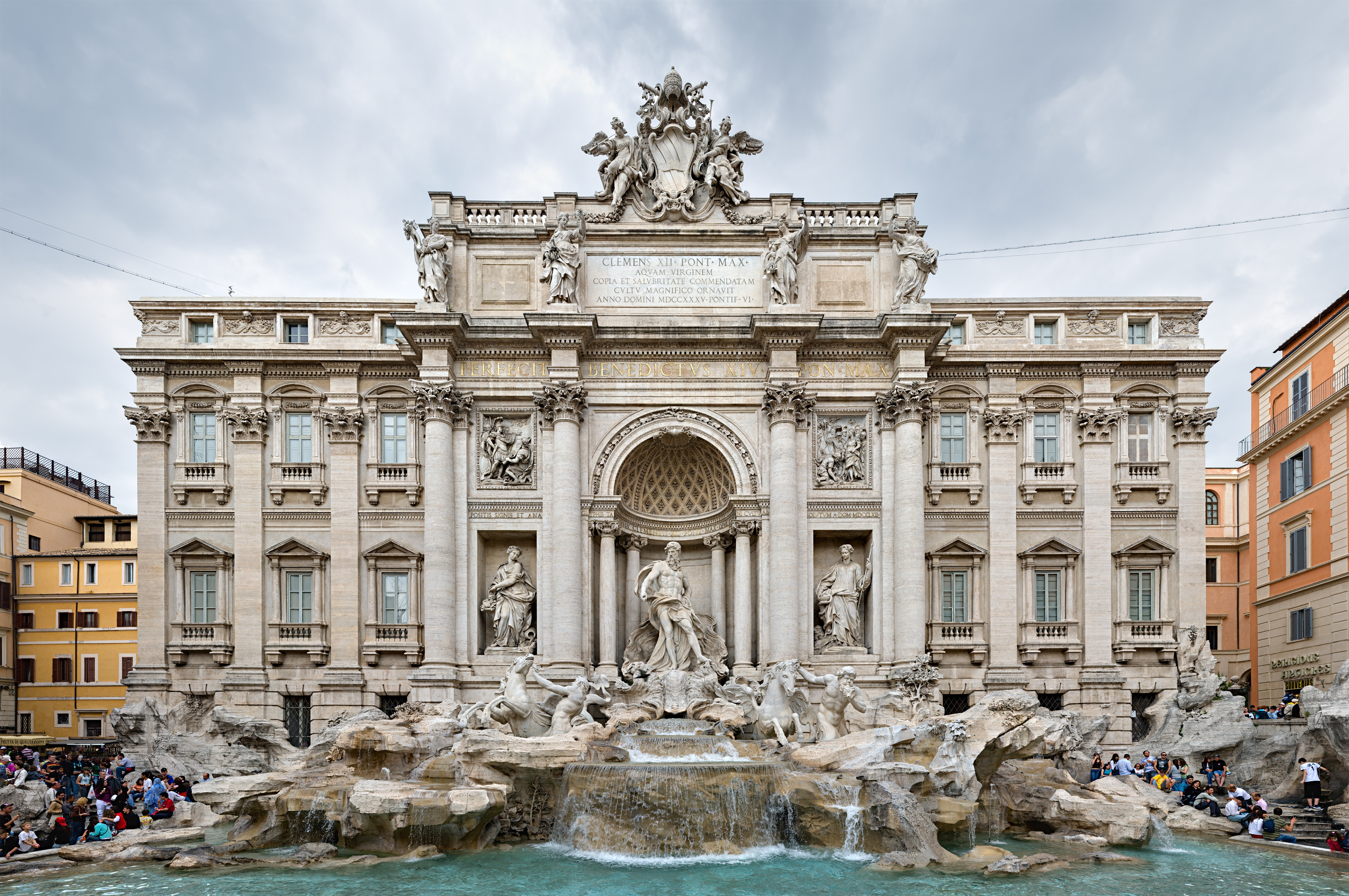
A long meal, market or repeat café can deliberately create space between more intense Ancient history or Roman food moments. That is especially useful when the crowd profile — High at the Colosseum, Vatican, Trevi Fountain and central historic corridors, especially in peak season. — makes it unwise to spend every peak hour in the same famous areas.
Evening and food
Strong enough to support multiple distinct evenings. When evening depth is strong, dinner can become a transition into a second chapter of the day. When evenings are quieter, food becomes more naturally the closing layer of a slower journey. In this destination, OREVYON connects that directly to: Rome is strongest when archaeology, neighbourhood food and ordinary street life are paced over several days rather than compressed into an icon checklist.
The OREVYON read
Let food in Rome answer the same question as the rest of the journey: does this choice strengthen Ancient history, Art and architecture, Roman food, or does it only add another reservation?