
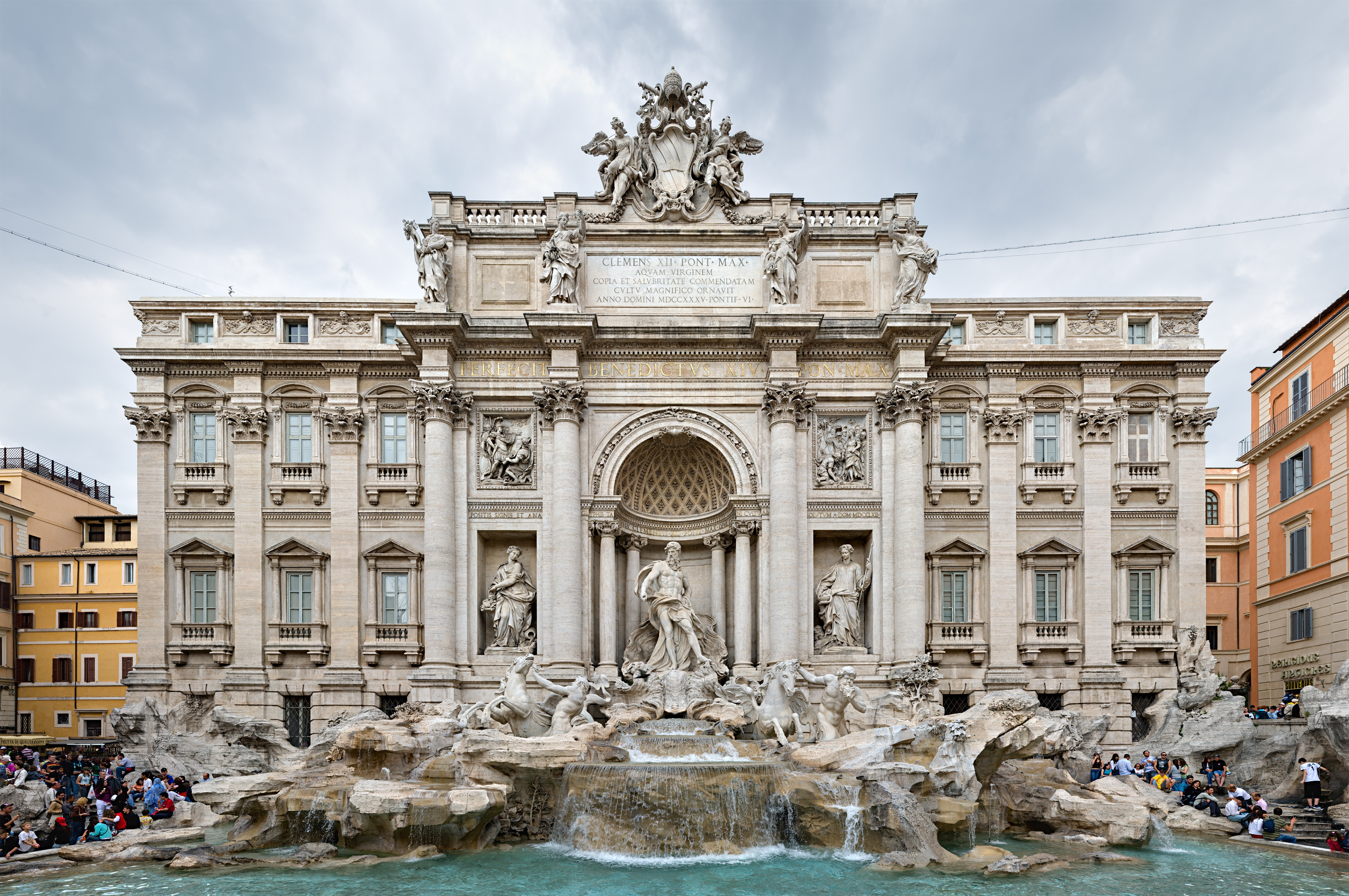


The real decision points before choosing Rome: pace, mobility, crowding, evening depth, food, seasonality and how long the destination deserves. For Rome, the most relevant context is this: Layered capital where ancient Rome, papal history, Baroque streets, neighbourhood food and major green archaeological areas coexist across a large walkable core.
Compare character first
Layered capital where ancient Rome, papal history, Baroque streets, neighbourhood food and major green archaeological areas coexist across a large walkable core. That makes Rome especially logical for Ancient history, Art and architecture, Roman food, Long car-free city stays. Travellers mainly seeking Total quiet, Crowd-averse peak-season travel, Heat-sensitive midsummer walking should not try to plan the destination into becoming something else.
Compare the time commitment
Verblijfsdiepte is 5–8 nights. Compare that with the time you actually have. A destination can fit your taste perfectly and still be the wrong choice when you can only give it a fraction of the time it deserves. In this destination, OREVYON connects that directly to: Rome is strongest when archaeology, neighbourhood food and ordinary street life are paced over several days rather than compressed into an icon checklist.
Compare mobility
Excellent without a car through walking, metro, buses and rail; many of the strongest central experiences connect naturally on foot. This determines how many daily decisions and transfers the trip contains. Compare Rome not only on what there is to see, but on how much logistics are required to make your priorities reachable.
Compare season and crowding
Spring and autumn provide the easiest balance for long walking days and outdoor archaeology. Summer is hot and heavily visited, while winter is cooler and more manageable. At the same time: High at the Colosseum, Vatican, Trevi Fountain and central historic corridors, especially in peak season. An alternative destination can look weaker on paper but create a better journey on your exact dates if crowding or climate removes too much of the experience you want here.
Compare food and evening depth
Food: A meaningful part of the destination experience. Evening: Strong enough to support multiple distinct evenings. For travellers who do not want the day to end at 18:00, these two layers can matter more than one extra museum, beach or viewpoint. The local context changes that rule, however: Spring and autumn provide the easiest balance for long walking days and outdoor archaeology. Summer is hot and heavily visited, while winter is cooler and more manageable.
The final choice
Choose Rome when the combination of Ancient history, Art and architecture, Roman food matches your trip more strongly than the trade-offs Total quiet, Crowd-averse peak-season travel, Heat-sensitive midsummer walking detract from it. That is a fit decision, not a universal ranking.