
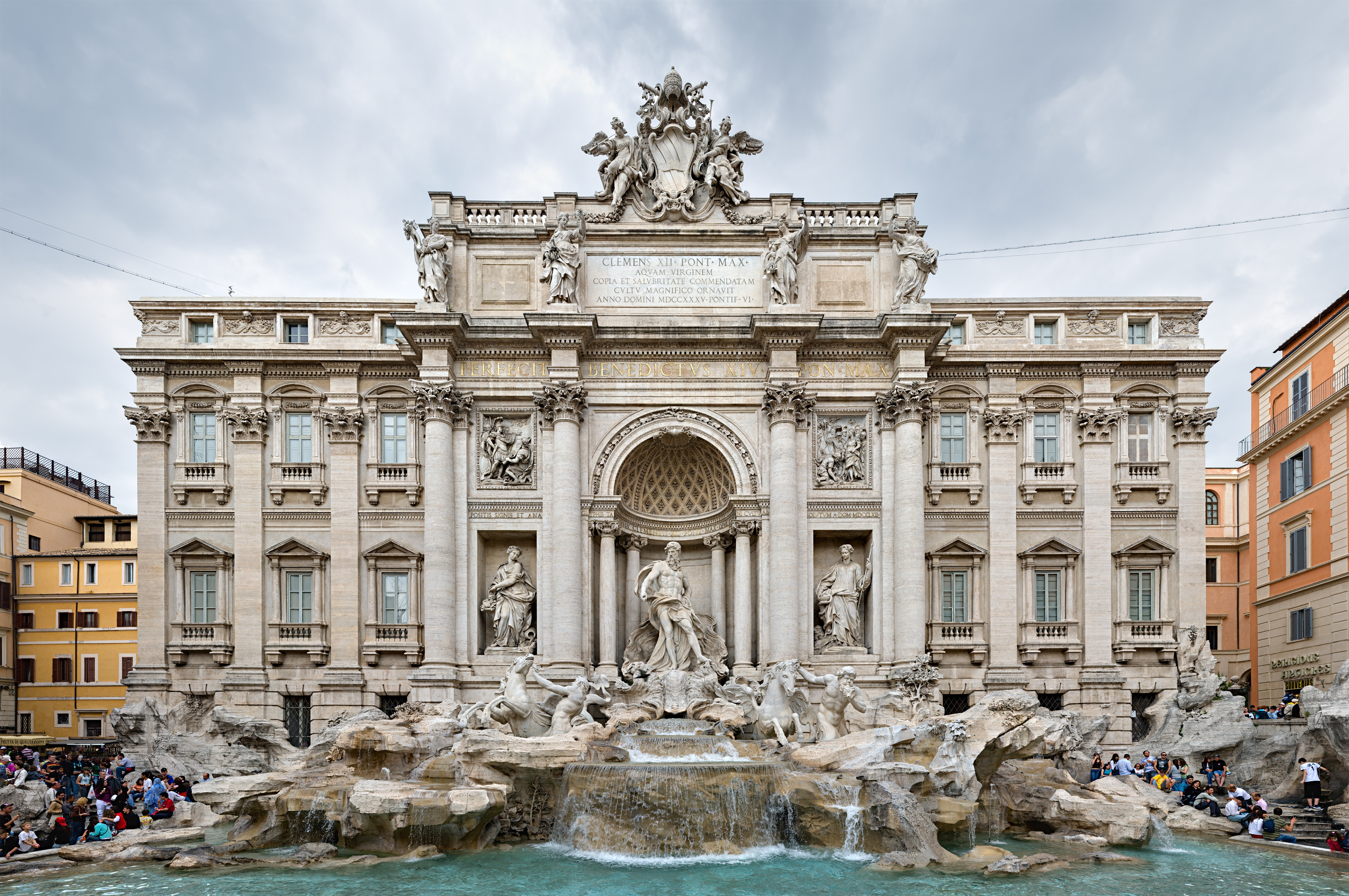


A five-day structure for Rome that uses contrast, repetition and deliberate breathing room instead of stacking headline stops. For Rome, the most relevant context is this: Layered capital where ancient Rome, papal history, Baroque streets, neighbourhood food and major green archaeological areas coexist across a large walkable core.
Why five days work here
With a verblijfsdiepte of 5–8 nights, five days in Rome are enough to build contrast without automatically speeding the trip up. The key is not filling five identical days, but giving each day a different job around Ancient history, Art and architecture, Roman food.
Day 1 — scale and rhythm
Start with one area or experience that makes Ancient history immediately legible. Combine that with this mobility reality: Excellent without a car through walking, metro, buses and rail; many of the strongest central experiences connect naturally on foot. The first day should teach you how Rome moves; it does not need to prove every famous point yet.
Day 2 — deepen the core
Use the second day for Art and architecture. Give the main cultural, landscape or urban layer enough time to function as more than a stop. Rome is strongest when archaeology, neighbourhood food and ordinary street life are paced over several days rather than compressed into an icon checklist.
Day 3 — contrast
Deliberately change pace or context toward Roman food. The goal is not to travel farther for its own sake, but to open a second face of Rome. Keep this crowd profile in mind: High at the Colosseum, Vatican, Trevi Fountain and central historic corridors, especially in peak season.
Day 4 — food, evening and local rhythm
Culinaire diepte: A meaningful part of the destination experience. Evening depth: Strong enough to support multiple distinct evenings. Use day four to travel with less dependence on best-known sights and let food, a return to a strong area and a later evening shape more of the structure. In this destination, OREVYON connects that directly to: Rome is strongest when archaeology, neighbourhood food and ordinary street life are paced over several days rather than compressed into an icon checklist.
Day 5 — repeat what worked
The final day is not a leftovers bin. Return to the strongest combination from the first four days or use the time for something that earlier did not fit because of weather, energy or crowds. The biggest mistake is forcing Total quiet, Crowd-averse peak-season travel, Heat-sensitive midsummer walking into the route at the end.