


A low-friction mobility strategy for Rome: when to walk, when to use transport and how to protect time and energy across the journey. For Rome, the most relevant context is this: Layered capital where ancient Rome, papal history, Baroque streets, neighbourhood food and major green archaeological areas coexist across a large walkable core.
The mobility read
Excellent without a car through walking, metro, buses and rail; many of the strongest central experiences connect naturally on foot.
Distance is not the same as friction
In Rome, a route should be judged by time, energy and context, not kilometres alone. A short transfer can be irrational if it interrupts a day built around Ancient history; a longer move can be worthwhile when it opens a genuinely different layer of the destination.
Protect walking energy
Layered capital where ancient Rome, papal history, Baroque streets, neighbourhood food and major green archaeological areas coexist across a large walkable core. That character is usually more legible when you move slowly enough inside a chosen area. Use the strongest transport mode for distance and save walking for the parts where observation, Art and architecture and local rhythm deepen the trip.
Crowding is also a mobility problem
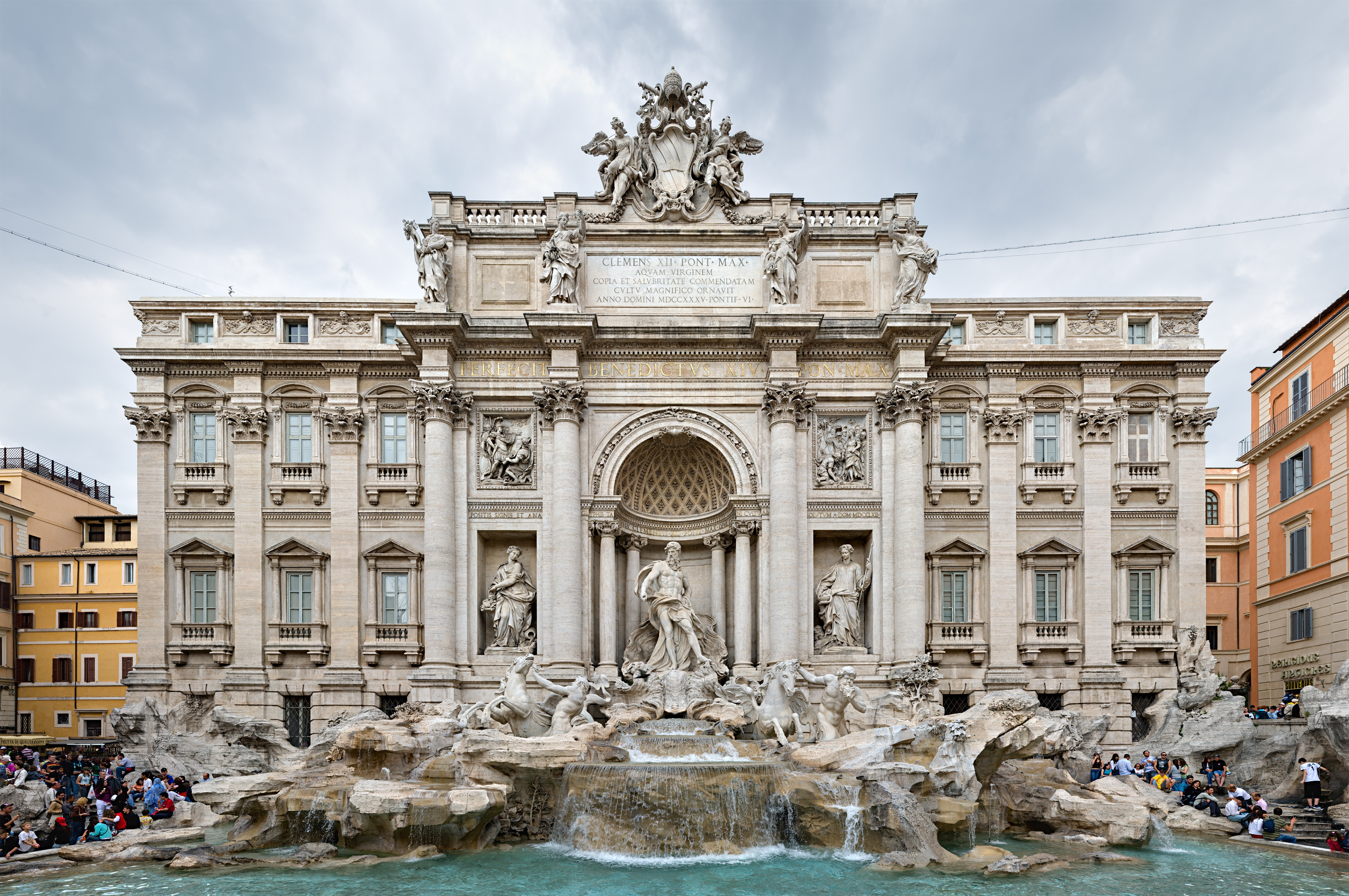
High at the Colosseum, Vatican, Trevi Fountain and central historic corridors, especially in peak season. When the same corridor is both attraction and transport axis, changing the order of the day can create more value than choosing a faster route. Reducing friction can therefore mean leaving earlier, returning later or clustering activities differently.
The practical rule
For Rome, mobility should ultimately support Ancient history, Art and architecture, Roman food. If the transport plan demands more attention than the destination itself, the journey is too dispersed.