


A first-trip framework for Rome built around Ancient history and Art and architecture, realistic trade-offs and the pace needed to experience the destination rather than merely cover it.
Start with character, not the map
Rome works best on a first trip when you begin with what kind of place it actually is: Layered capital where ancient Rome, papal history, Baroque streets, neighbourhood food and major green archaeological areas coexist across a large walkable core. That makes Ancient history and Art and architecture natural anchors, while Total quiet, Crowd-averse peak-season travel, Heat-sensitive midsummer walking are signals that a different trip style may fit better.
How much time the place needs
The current OREVYON read puts verblijfsdiepte at 5–8 nights. That is not a minimum checklist; it is a signal of how much room is needed to experience Ancient history, Art and architecture and Roman food without forcing them into one pace. Rome is strongest when archaeology, neighbourhood food and ordinary street life are paced over several days rather than compressed into an icon checklist.
Mobility decides how much you actually experience
Excellent without a car through walking, metro, buses and rail; many of the strongest central experiences connect naturally on foot. On a first trip, that means planning days around friction rather than distance alone. A good route protects energy for the parts where Rome reveals its character instead of spending that energy on transfers.
When you go changes the version of the destination
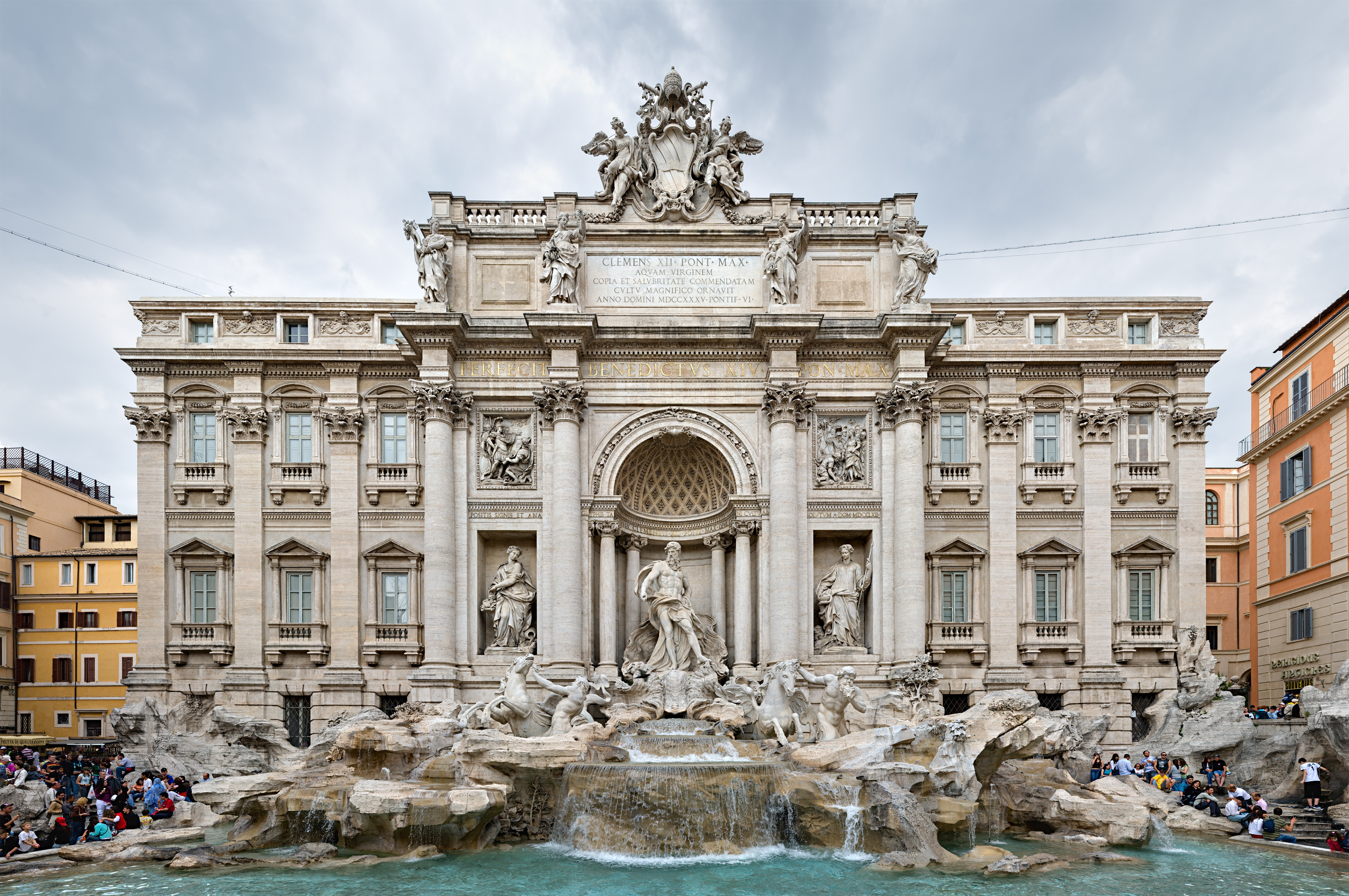
Spring and autumn provide the easiest balance for long walking days and outdoor archaeology. Summer is hot and heavily visited, while winter is cooler and more manageable. Combine that with this crowd profile: High at the Colosseum, Vatican, Trevi Fountain and central historic corridors, especially in peak season. A first trip becomes stronger when season and daily rhythm are chosen together, not when dates are selected on price or calendar alone.
The OREVYON rule
Do not use Rome as a collection of proof that you were there. Build the journey around its strongest two or three qualities — Ancient history, Art and architecture, Roman food — and allow repetition when a neighbourhood, route, view or meal creates more value than one more stop.