


A practical timing guide for Rome that connects seasonality with crowd pressure, walking comfort, evening rhythm and the kind of journey you actually want. For Rome, the most relevant context is this: Layered capital where ancient Rome, papal history, Baroque streets, neighbourhood food and major green archaeological areas coexist across a large walkable core.
The baseline curve
Spring and autumn provide the easiest balance for long walking days and outdoor archaeology. Summer is hot and heavily visited, while winter is cooler and more manageable.
Season is more than weather
For Rome, timing also changes how much of the day can happen outside, how easily Ancient history and Art and architecture can coexist in one journey, and how much improvisation remains realistic. The same destination can therefore create a very different daily rhythm in two different months.
Crowding is a second seasonal layer
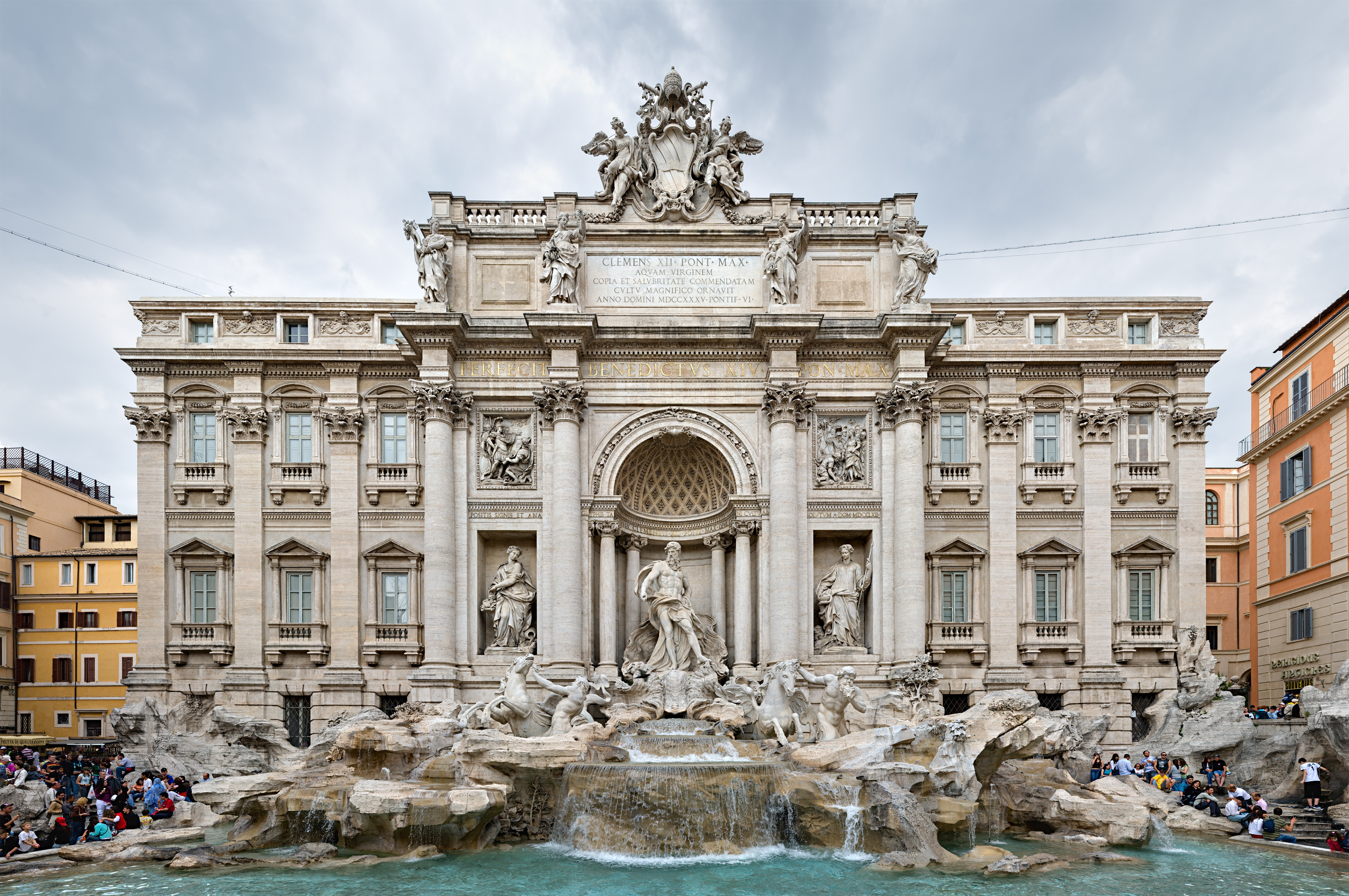
High at the Colosseum, Vatican, Trevi Fountain and central historic corridors, especially in peak season. That means “best time” does not simply mean the most comfortable conditions. A quieter window can create more value when Ancient history is the priority, while a livelier period may fit better when Art and architecture and Strong enough to support multiple distinct evenings. matter more.
Mobility changes with the season too
Excellent without a car through walking, metro, buses and rail; many of the strongest central experiences connect naturally on foot. When heat, rain, cold or crowding cost more energy, mobility needs to carry more of the planning. When conditions are easier, walking or moving slowly can reveal more of the destination’s character.
Choose the window by priority
- Ancient history
- Art and architecture
- Roman food
- Long car-free city stays
The right period for Rome is the one in which your first priority has to compete least with the destination’s biggest friction. Use the month as a filter, but let the desired daily rhythm make the final choice. In this destination, OREVYON connects that directly to: Rome is strongest when archaeology, neighbourhood food and ordinary street life are paced over several days rather than compressed into an icon checklist.