
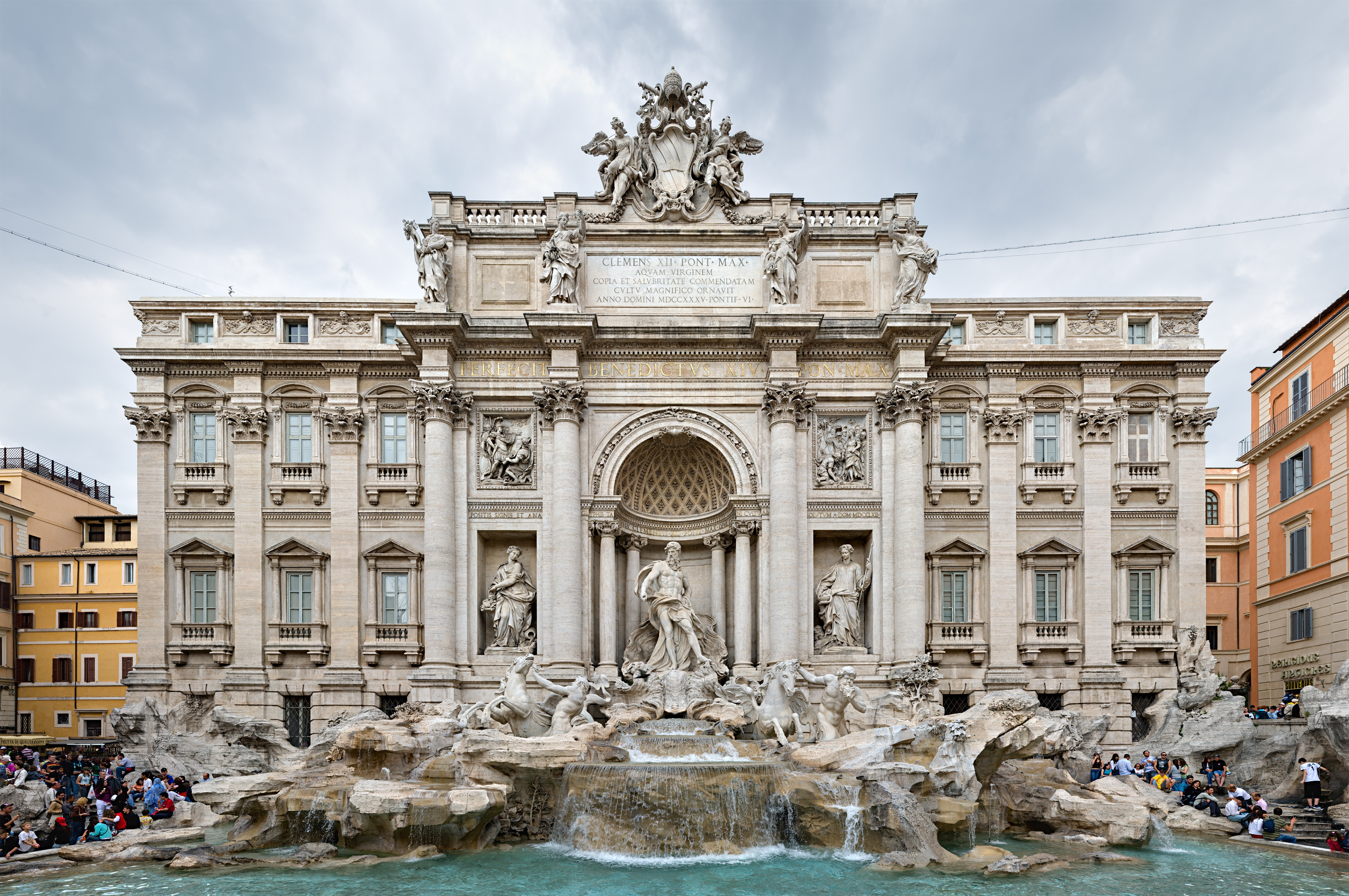


The defining travel logic of Rome and the choices that protect what makes the destination distinct.
The character that connects everything
Layered capital where ancient Rome, papal history, Baroque streets, neighbourhood food and major green archaeological areas coexist across a large walkable core.
Why this combination matters
The strength of Rome is not one isolated attraction, but the way Ancient history, Art and architecture and Roman food can reinforce each other inside the same trip. That interaction determines which days feel rich and which planning choices flatten the destination unnecessarily.
The right scale
5–8 nights is the relevant verblijfsdiepte. Rome is strongest when archaeology, neighbourhood food and ordinary street life are paced over several days rather than compressed into an icon checklist. Together they say a lot about scale: enough time to recognise patterns, without requiring constant movement so every hour has to produce new proof.
What to protect
Excellent without a car through walking, metro, buses and rail; many of the strongest central experiences connect naturally on foot. Combine that with: Spring and autumn provide the easiest balance for long walking days and outdoor archaeology. Summer is hot and heavily visited, while winter is cooler and more manageable. The signature version of Rome appears when mobility and timing support the character instead of dominating it.
What can flatten the experience
The biggest risks are Total quiet, Crowd-averse peak-season travel, Heat-sensitive midsummer walking. Add this crowd profile — High at the Colosseum, Vatican, Trevi Fountain and central historic corridors, especially in peak season. — and it becomes clear why a smarter journey can contain fewer points yet deliver more of the destination.