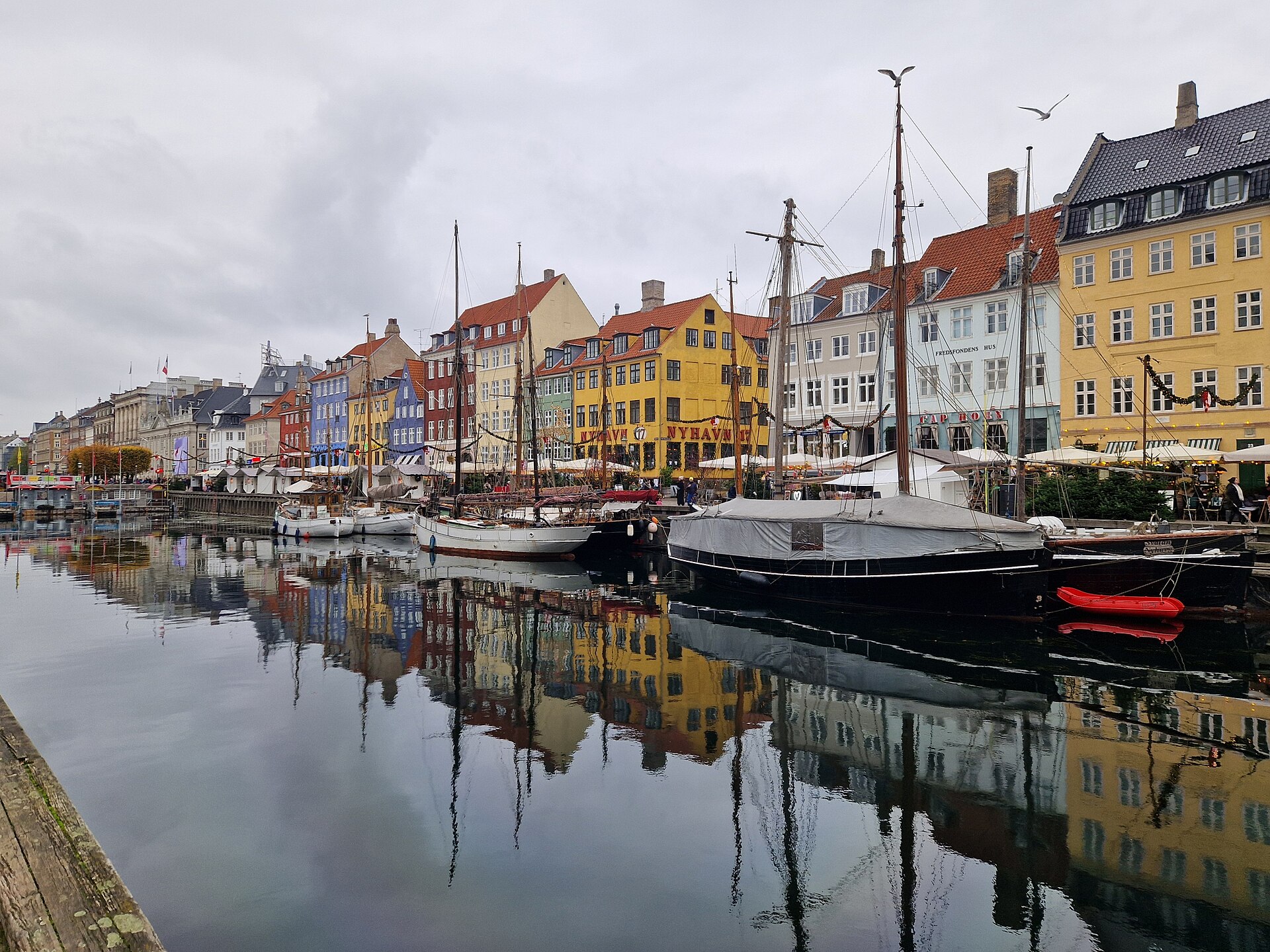
Travelling without a car is not automatically simpler. Sometimes it removes stress. Sometimes it simply moves the friction from parking to transfers, luggage and poor last-mile connections.
The better question is not ‘Can I do this without a car?’ It is ‘Does the trip still feel complete without one?’ OREVYON looks for destinations where the answer is yes — where the transport network, scale and rhythm support the trip rather than forcing compromises every day.
What makes a car-free trip actually work
A strong car-free trip usually has four things in its favour: an easy arrival, a walkable or well-connected base, enough depth close to that base, and transfers that do not consume the trip. The absence of a car should reduce friction, not become the main project.
- Arrival friction — airport or rail station to hotel should be simple enough that you do not start the trip with a logistics puzzle.
- Local mobility — walking, cycling, metro, tram, bus or local rail should cover the places that matter.
- Stay depth — the destination needs enough within reach so you are not constantly engineering day trips.
- Luggage reality — every extra connection feels different when you are carrying a suitcase.
Copenhagen — the city break where a car adds very little
Explore destination →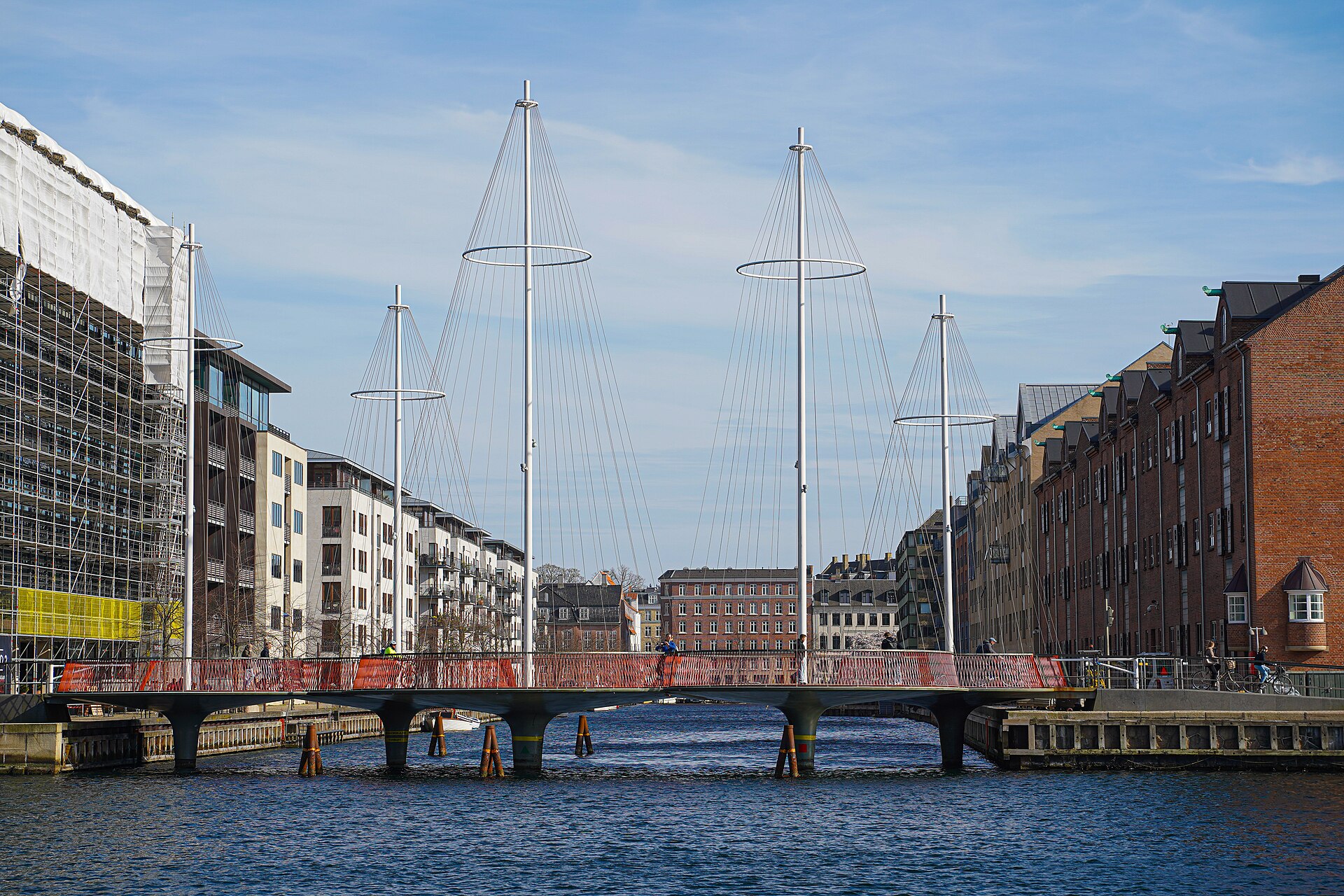
Copenhagen is one of the clearest examples of a city where leaving the car behind is not a compromise. The centre is compact, cycling is built into daily life, and metro, trains, buses and harbour buses make it easy to move between neighbourhoods.
Visit Copenhagen explicitly says most visitors do not need a car and notes that many popular areas are easy to reach on foot or by bike. That changes the feel of the trip: transport becomes part of the city experience instead of a separate planning task.
3–5 night city breaks, food, design, waterfront neighbourhoods and travellers comfortable walking or cycling.
stay central enough to walk often, then use metro or bike for longer hops rather than trying to cover the city in one sweep.
cycling is easy once you understand local bike etiquette; if you do not enjoy cycling, the public transport network still carries the trip.
Ljubljana — small enough to walk, connected enough not to feel trapped
Explore destination →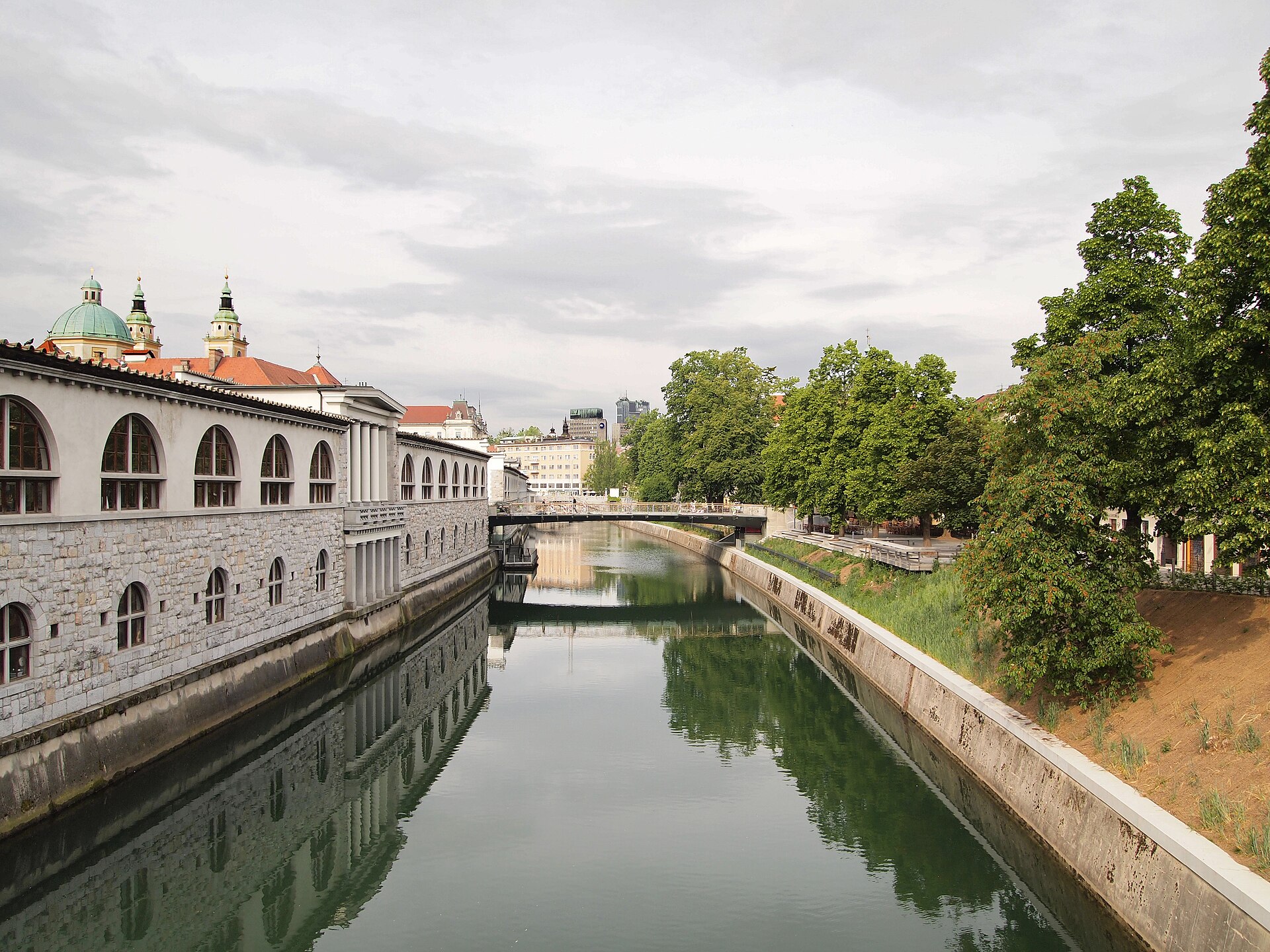
Ljubljana works for a different reason. It is not a transport megacity; it is simply compact enough that the centre can be lived on foot. Visit Ljubljana notes that a large part of the centre is closed to car traffic, while buses, bicycles and taxis cover the rest.
That makes it especially strong for a short stay where you want cafés, markets, architecture and green space without spending half the trip moving between zones.
2–4 night city breaks, couples, slower urban travel and visitors who like to move mainly on foot.
use the centre as the anchor and add only the day trips that genuinely justify the extra transport.
a car becomes more useful when the trip expands into remote countryside rather than staying city-led.
The Netherlands — a multi-city trip where rail can replace the road trip
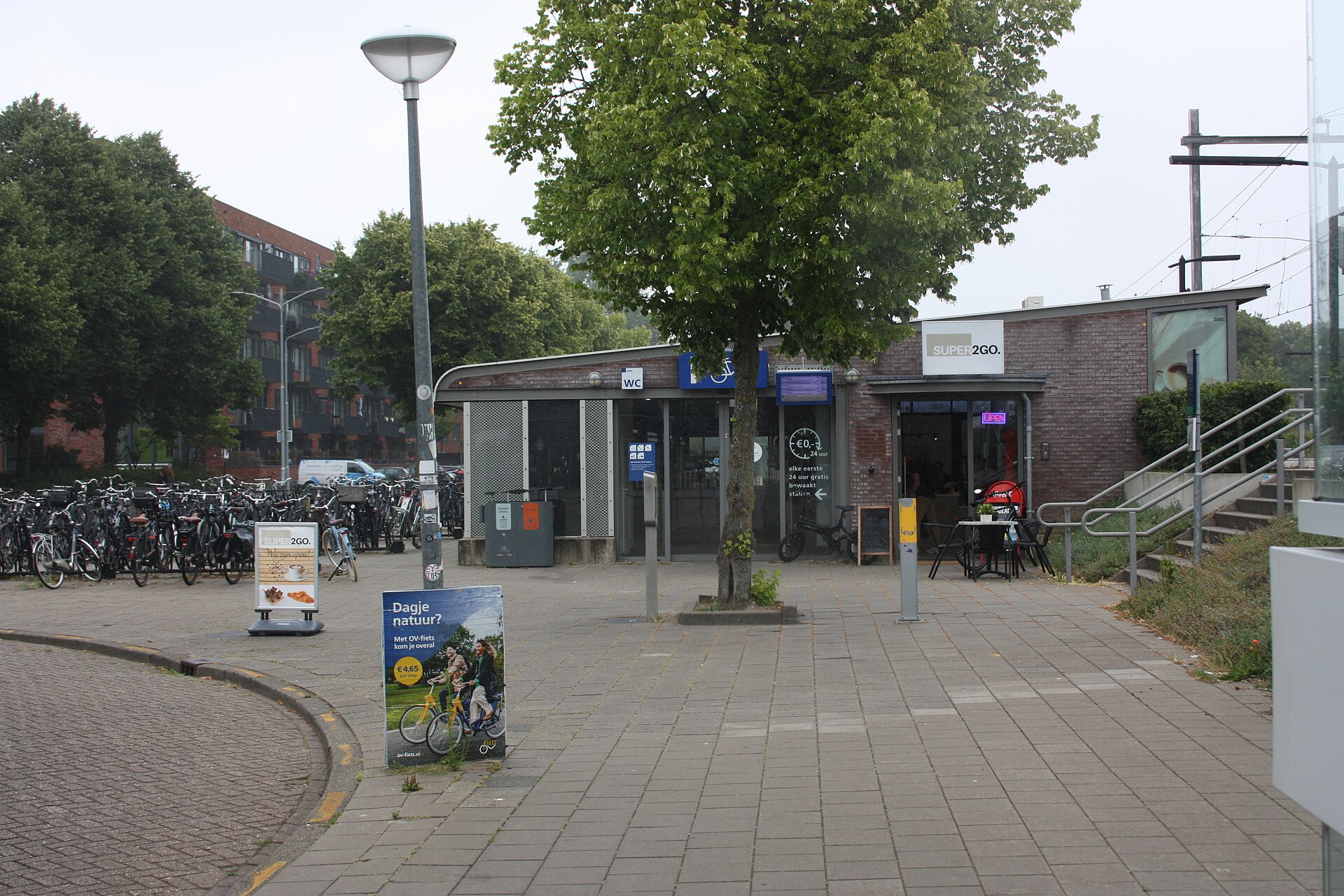
The Netherlands is useful because the car-free logic scales beyond one city. The national tourism board highlights the country’s extensive rail network and the ease of moving between cities by train.
That makes a two- or three-city itinerary unusually natural: Amsterdam with Utrecht, Rotterdam with The Hague, or a slower loop that includes a smaller city. Trains handle the distance; walking, trams, buses, metros and bicycles handle the local layer.
5–8 night multi-city trips, architecture, museums, food and travellers who like changing base without driving.
choose fewer cities and give each at least two nights; the network makes over-planning tempting because everything looks close.
easy rail does not mean friction-free rail — peak times, disruptions and luggage still matter.
Bernina route — when the train is the reason for the journey
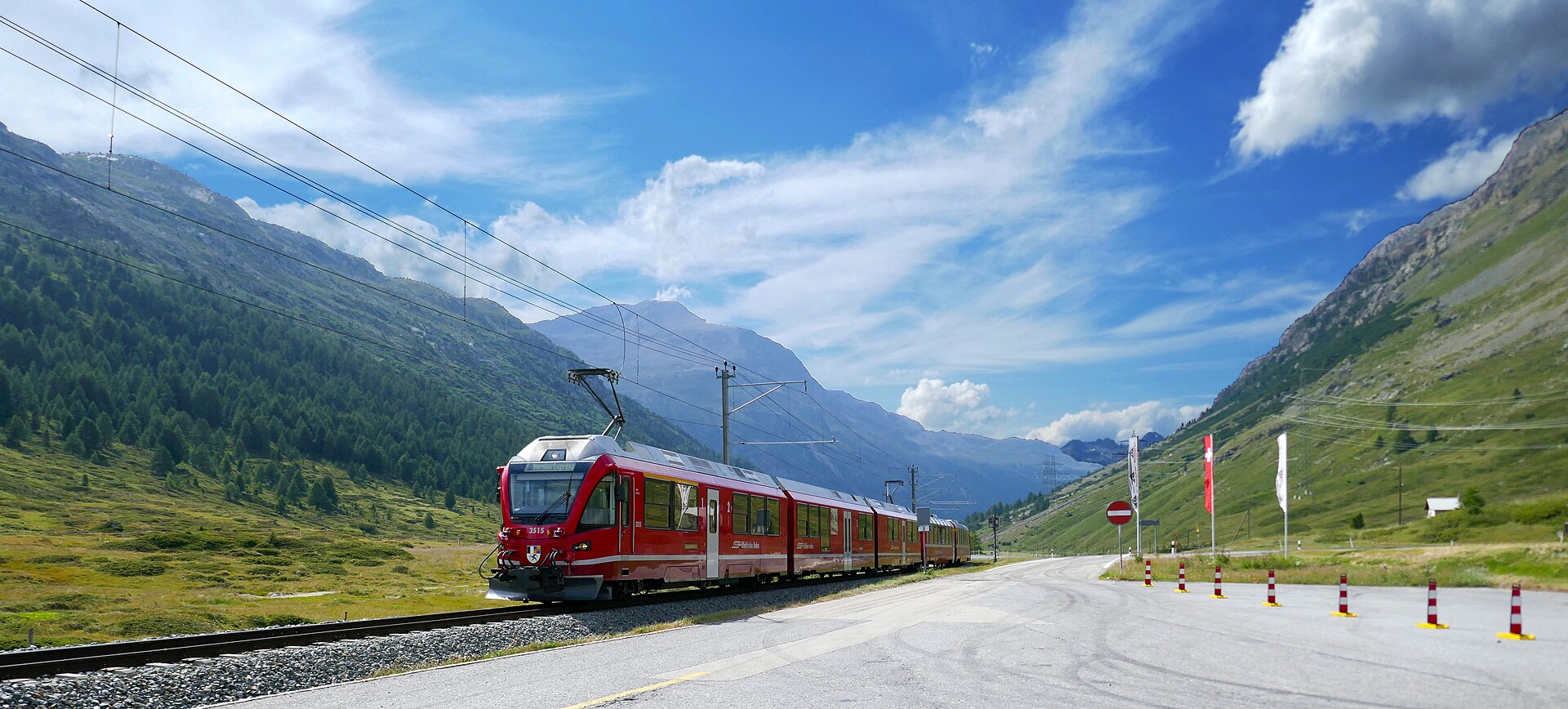
The Bernina route turns the transport itself into the travel experience. Switzerland Tourism describes the Bernina Express running from Chur through Filisur, St Moritz and Alp Grüm to Tirano in Italy, crossing dramatic Alpine terrain on the Rhaetian Railway.
This is a different kind of car-free trip: you are not simply avoiding a vehicle. You are choosing rail because the journey itself is one of the strongest parts of the itinerary.
scenic rail, slower Alpine travel and travellers who want the route itself to carry emotional weight.
do not treat the panoramic train as a one-day checkbox; anchor it with nights in the Engadin or Valposchiavo so the trip has stay depth.
panoramic Bernina Express services require reservations and a surcharge; regular regional trains can use the same railway without the exact same product format.
How to decide if you should skip the car
- Skip it when the destination is compact, rail arrival is strong and your best days are mostly walkable.
- Keep the option when the trip depends on dispersed countryside, remote hotels or repeated trailhead access.
- Prefer rail when changing cities is part of the story rather than a transfer you simply need to survive.
- Do not force a car-free identity onto a trip that becomes noticeably worse without one.
The OREVYON rule
Car-free is not a virtue on its own. It is a design choice. The best version removes decisions, parking, navigation and dead transfer time while keeping the destination deep enough to feel complete.
If the no-car version adds more friction than it removes, OREVYON should say so. If it makes the trip calmer, more walkable and more coherent, that is when the absence of a car becomes part of the experience rather than a constraint.