


Ljubljana does not compete by overwhelming you. Its strength is that the city is easy to inhabit: the river gives the centre a natural spine, many streets are pedestrian-first, cafés spill into public space and green areas are never far away.
For OREVYON, that human scale matters more than the number of headline attractions. A city break feels better when you can move through it almost without thinking.
Why Ljubljana works
Visit Ljubljana describes the historic city centre as closed to car traffic since 2008 and highlights the city’s green-space provision, cycling network and pedestrian zones. That gives the centre a rhythm built around walking, sitting, crossing the river and returning to the same streets.
The city is compact enough for a short break but has enough depth in architecture, food, markets, parks and neighbourhoods to support a slower stay. It is especially strong for travellers who prefer atmosphere and ease over a dense checklist.
Where to base yourself
- Old Town / river — best for first visits, evening atmosphere and maximum walkability.
- Center / Miklošičeva area — practical for rail and bus access while staying close to the historic core.
- Trnovo / Krakovo — quieter residential feel, riverside walks and easy access back into the centre.
- Near Tivoli — useful when green space, museums and morning walks matter as much as being beside the river.
The river and the car-free centre
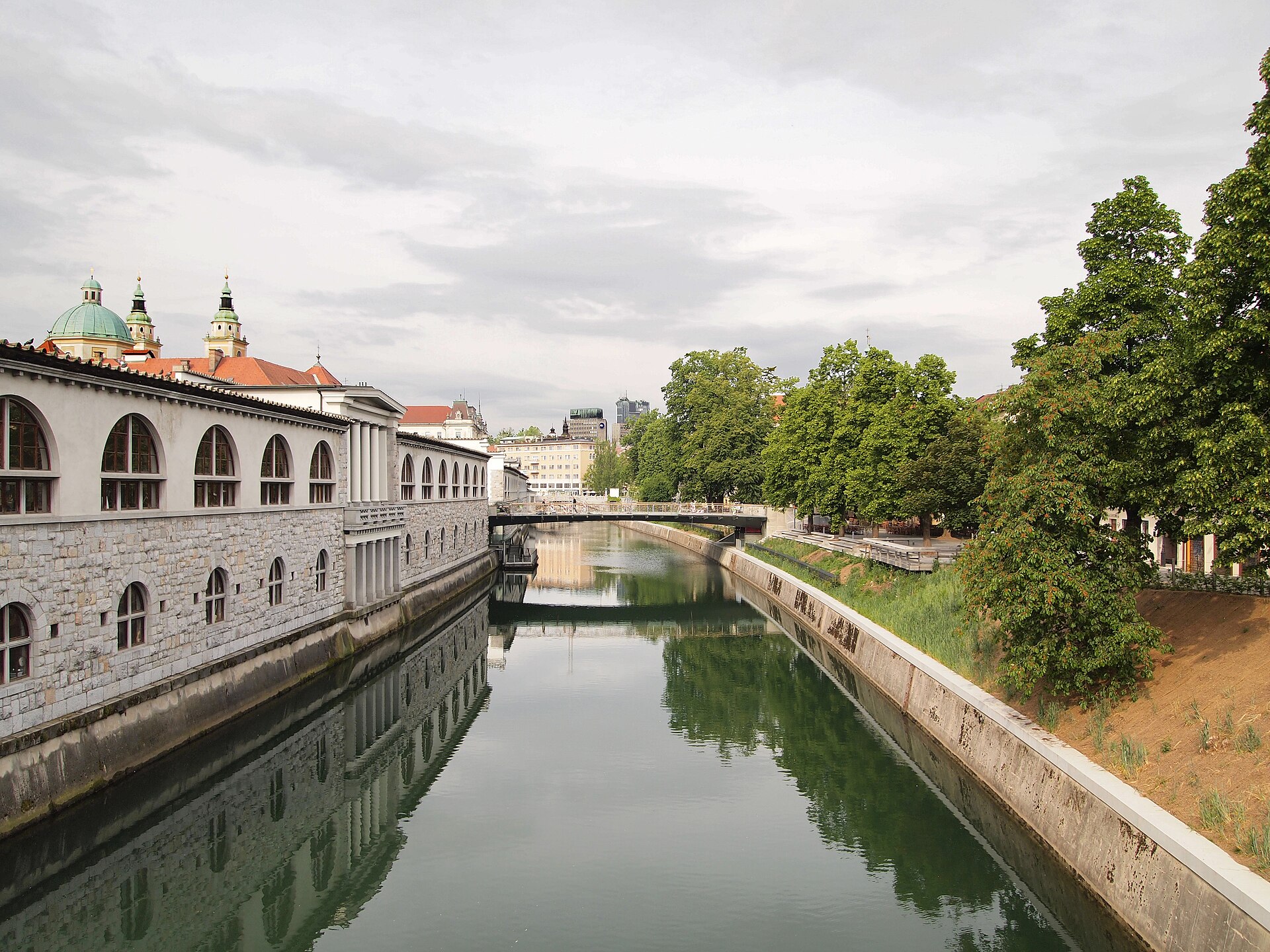
The Ljubljanica is more than a visual feature. It organises the centre. Bridges, terraces, markets and pedestrian streets sit close enough together that the city can be explored in loops rather than point-to-point transfers.
Visit Ljubljana says large parts of the centre are closed to cars and promotes walking and cycling as natural ways to move around. That is exactly why Ljubljana works so well for a low-friction city break.
first-time visitors, couples, café-led days and travellers who dislike transport-heavy city breaks.
2–4 nights is the natural city-break range.
peak weekends and events can make the centre livelier than the city’s calm reputation suggests.
Plečnik, the market and everyday city life
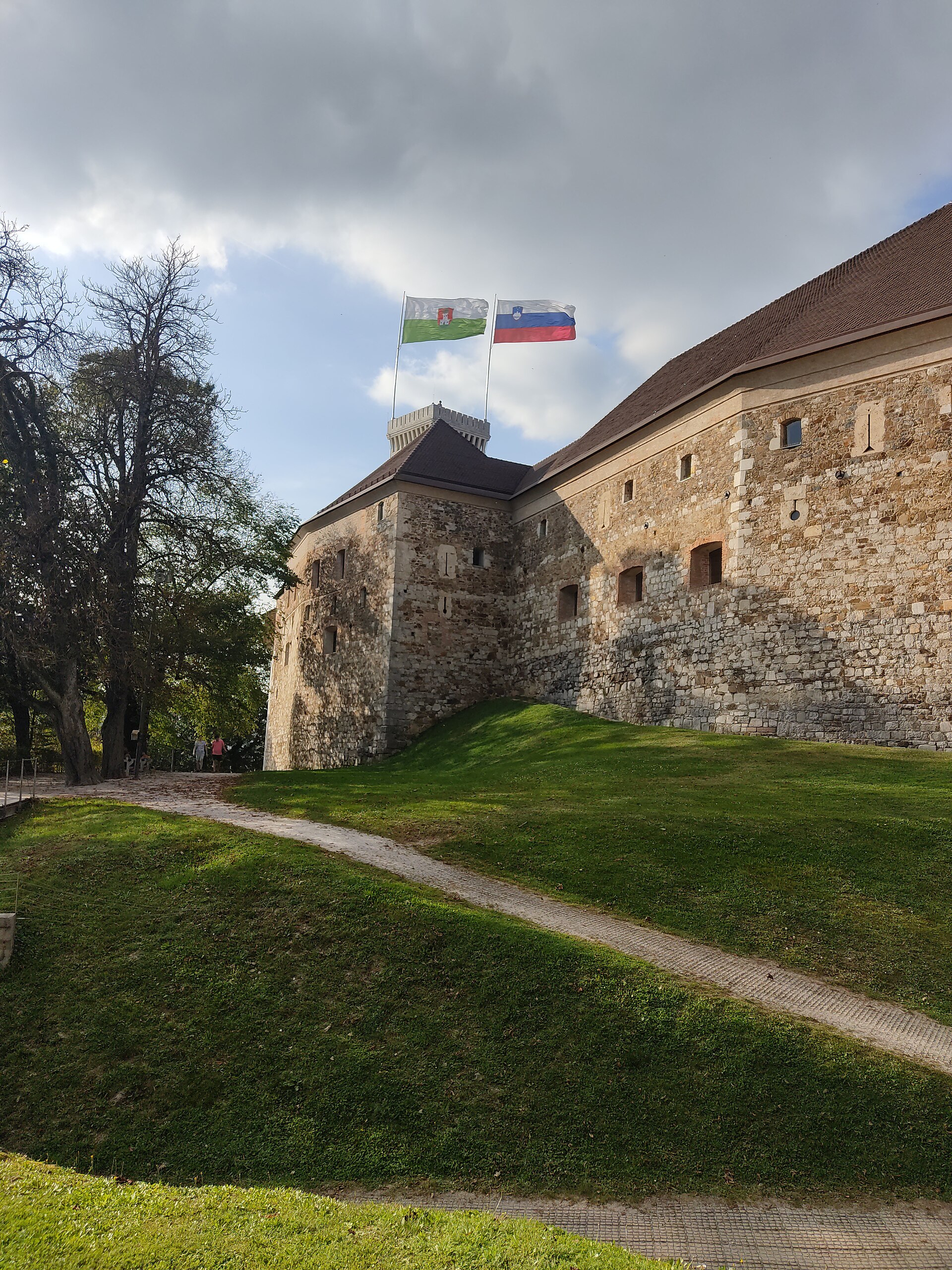
Ljubljana’s strongest architecture is woven into daily life rather than separated into a monumental district. The work of Jože Plečnik shapes bridges, riverside spaces, markets and civic buildings throughout the centre.
The Central Market is a good example: Visit Ljubljana describes an open-air market, covered areas and Plečnik’s colonnaded market buildings along the Ljubljanica. It functions as both a shopping place and a social one.
architecture, markets, morning wandering and travellers who like cities where design is part of ordinary life.
give the market a morning rather than treating it as a quick pass-through.
market activity varies by day and season, so live opening information matters.
Tivoli and the green layer
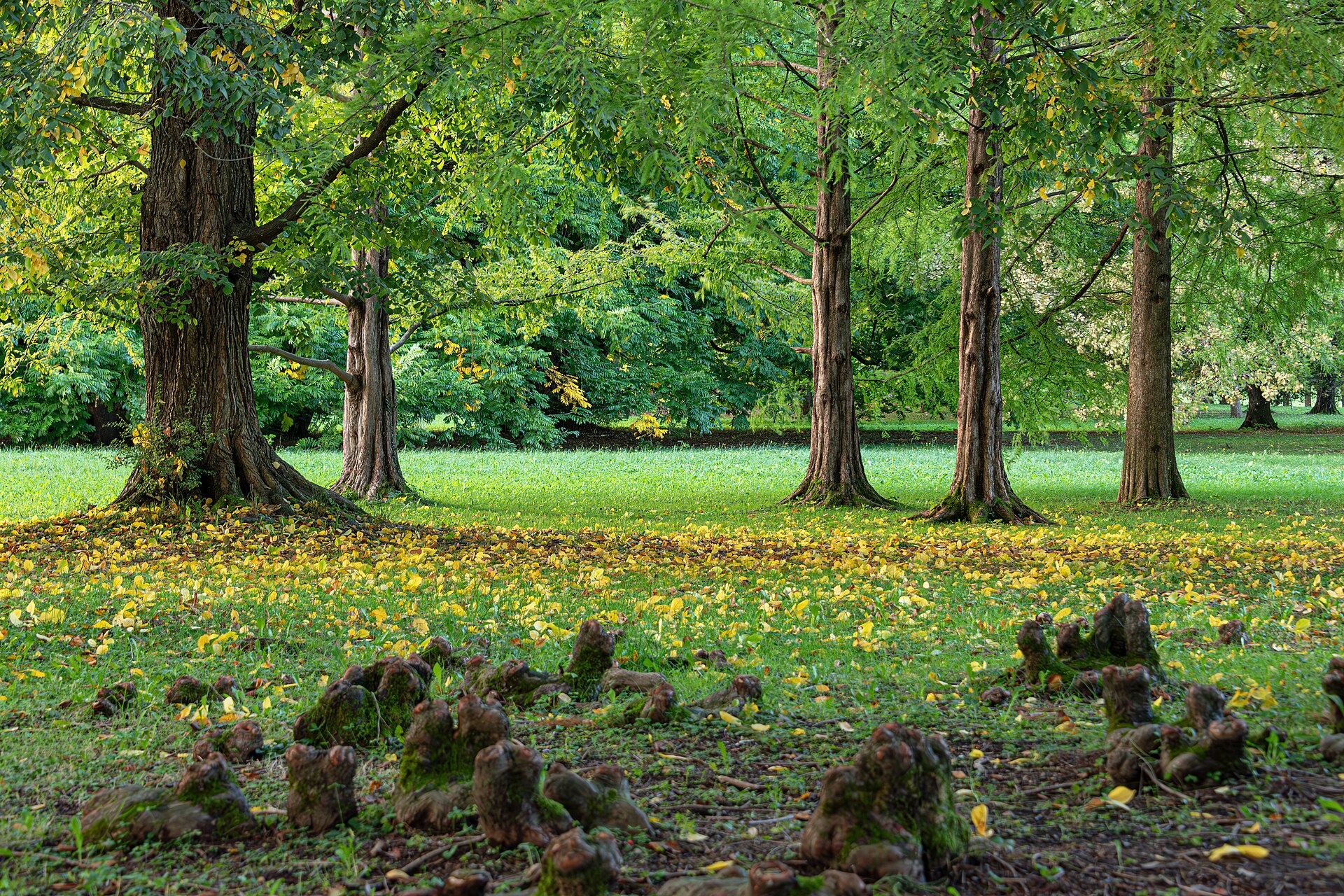
Tivoli Park gives Ljubljana something many compact capitals lack: a genuinely useful green escape close to the centre. Visit Ljubljana connects Tivoli with the wooded hills of Rožnik and Šišenski hrib, extending the green layer beyond a formal city park.
This matters for stay depth. A three- or four-night trip can include architecture, food and museums without every hour feeling urban.
slower mornings, walking, running, green space and travellers who need a break from city streets.
strongest as part of the day, not as a separate attraction to tick off.
the appeal is rhythm and proximity rather than one dramatic park landmark.
How many nights?
Three nights is an excellent first stay. Two works for a focused city break. Four gives enough time to stop treating the centre as a sightseeing zone and start using the city more naturally.
When Ljubljana works best
Spring and early autumn are especially strong for terraces, cycling and green space. Summer is lively and outdoor-oriented. December can be atmospheric but is less quiet. Winter outside the festive period is calmer, with a more local city rhythm.
Mobility & friction
This is one of Ljubljana’s clearest strengths. Walking covers much of the centre, cycling extends the radius and buses handle longer local trips. Visit Ljubljana notes more than 230 kilometres of designated cycling paths and describes the city as predominantly flat.
A car is unnecessary for the city itself and can add friction around parking and access. It becomes relevant only when the trip expands into parts of Slovenia that are less convenient by public transport.
Food & evenings
Ljubljana’s food depth is stronger than its size suggests. Markets, local ingredients, modern Slovenian cooking and a compact restaurant scene all fit naturally into a short stay. Evenings are more about riverside bars, wine and dinner than major nightlife.
The OREVYON decision
Choose Ljubljana when you want a European capital without the usual city-break friction. It fits travellers who value walking, food, architecture, green space and a city centre that can be understood quickly but enjoyed slowly.
Look elsewhere if you want a huge museum circuit, major nightlife or a city that can fill a full week without day trips. Ljubljana’s advantage is proportion: enough city, very little wasted movement.