
Some places were never meant to become hotels. They were built for storms, darkness and the people who watched the horizon while everyone else slept.
Yet in a handful of remote corners of the world, the keeper has gone and the door has stayed open. Not as a themed hotel beside a lighthouse, but as a stay where the tower, the keeper’s quarters, the island and the journey required to reach them still shape the experience.
These are six places where accommodation stops being interchangeable — and where sleeping there becomes part of the reason to travel.
Pater Noster · Hamneskär, Sweden
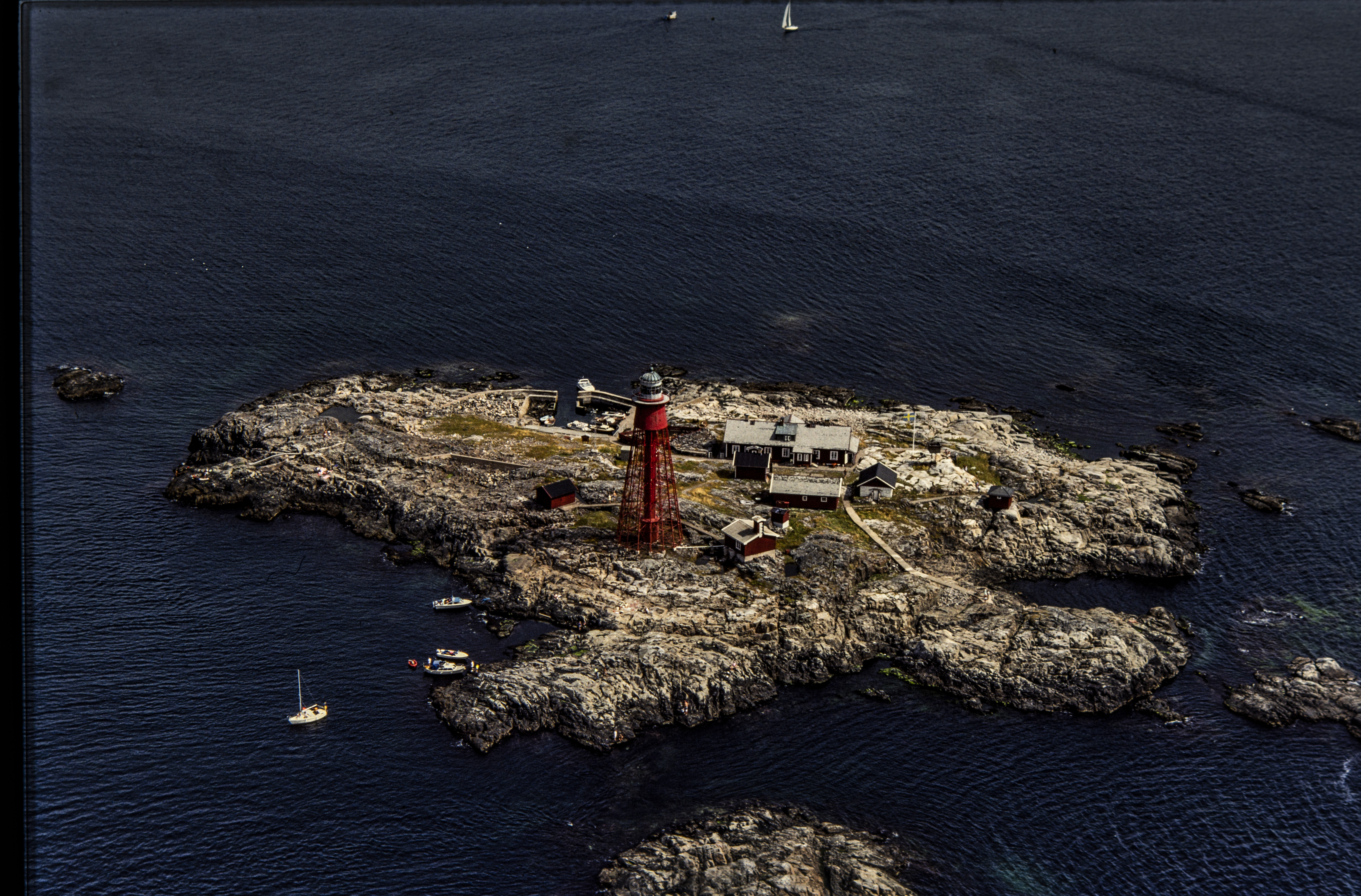
There is a point on Sweden’s west coast where the land seems to simply give up. Beyond Marstrand, among bare granite and open water, lies Hamneskär — home to the Pater Noster lighthouse and its former keeper’s residence.
The residence dates from 1868 and now contains nine individually designed hotel rooms. Reaching it is part of the stay: guests cross the water from the mainland, and the hotel deliberately treats the sea journey, the island, the lighthouse and the accommodation as one experience.
There is refinement here, but very little excess. Weather matters. The horizon matters. Silence matters. This is not somewhere to stay because you happen to be nearby; staying here is the trip.
For disappearing without actually going very far.
The boat crossing from the Marstrand area is part of the experience.
Sea and weather conditions can shape the transfer and the rhythm of the stay.
Faro Punta Cumplida · La Palma, Spain
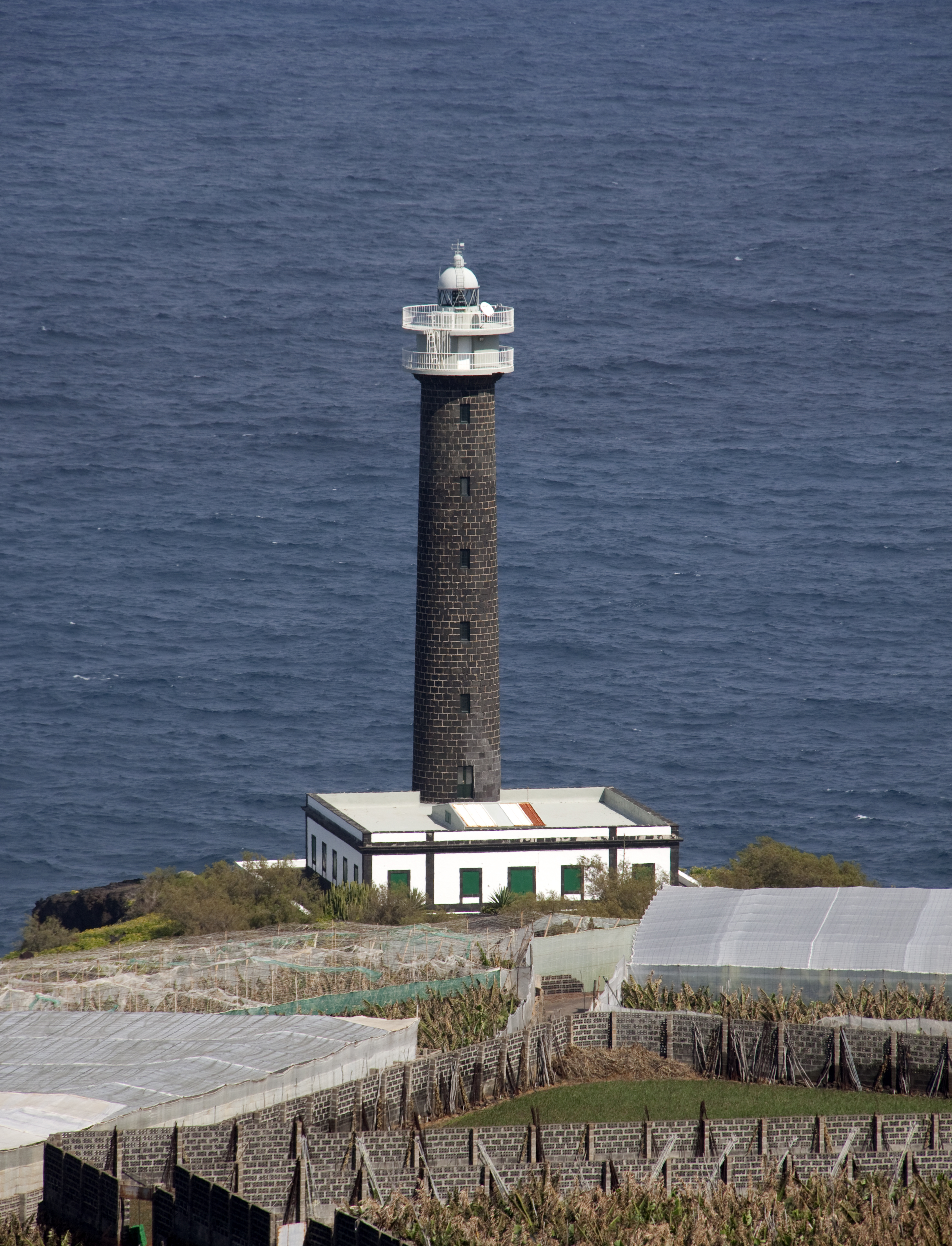
The same idea feels completely different on La Palma. Faro Punta Cumplida rises from the island’s northeast coast, where black volcanic rock, Atlantic water and subtropical vegetation replace Scandinavian granite.
The historic lighthouse complex now contains three contemporary suites, with an infinity pool, terraces and access to a lookout high on the lighthouse. The contrast is the point: a structure designed for utility and exposure has become a place to slow down without losing its original sense of isolation.
It is lighthouse remoteness without lighthouse austerity — a rare stay that still feels connected to the landscape rather than insulated from it.
For travellers who want isolation without giving up comfort.
Three suites keep the experience small-scale rather than resort-like.
Treat current room access, private-hire options and operating details as live information when planning a Journey.
Clare Island Lighthouse · County Mayo, Ireland
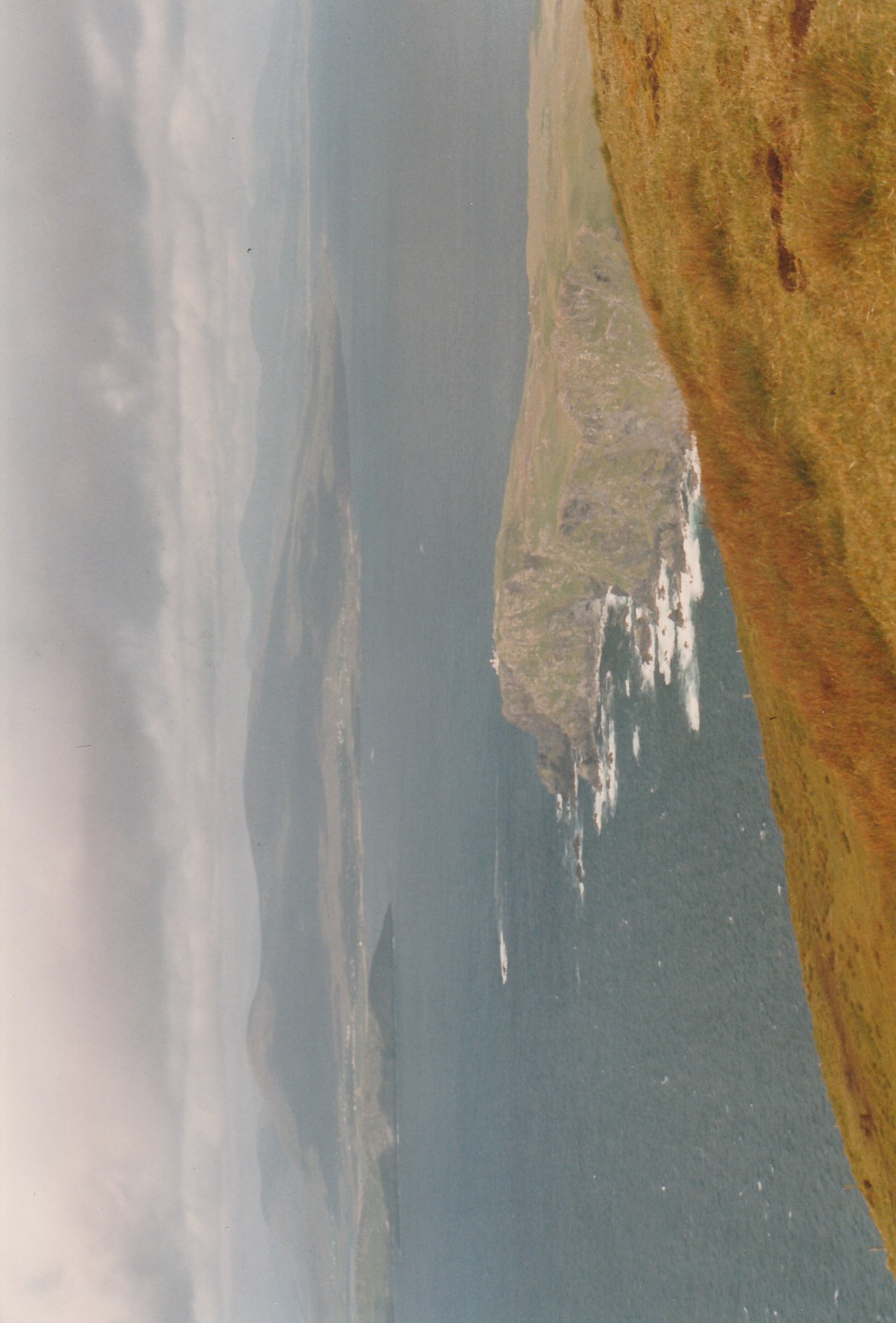
Some places need bad weather. Clare Island Lighthouse may be one of them. High above the Atlantic on Clare Island, the old lighthouse compound turns wind, stone and distance into part of the atmosphere rather than something to escape.
The property has six individually designed guest rooms spread through the historic buildings. Tower House makes the idea especially literal: its upstairs bedroom occupies part of the original lighthouse tower, reached by a winding staircase.
The island changes the rhythm before you even arrive. Clare Island is reached by ferry, and onward transport to the lighthouse needs to be considered separately. That extra friction is part of what protects the feeling of being somewhere distinct.
For Atlantic weather, fires indoors and nowhere else you need to be.
Ferry first; island transfer planning comes after.
Seasonal opening and transport arrangements should be rechecked for the actual Journey dates.
East Brother Light Station · California, USA
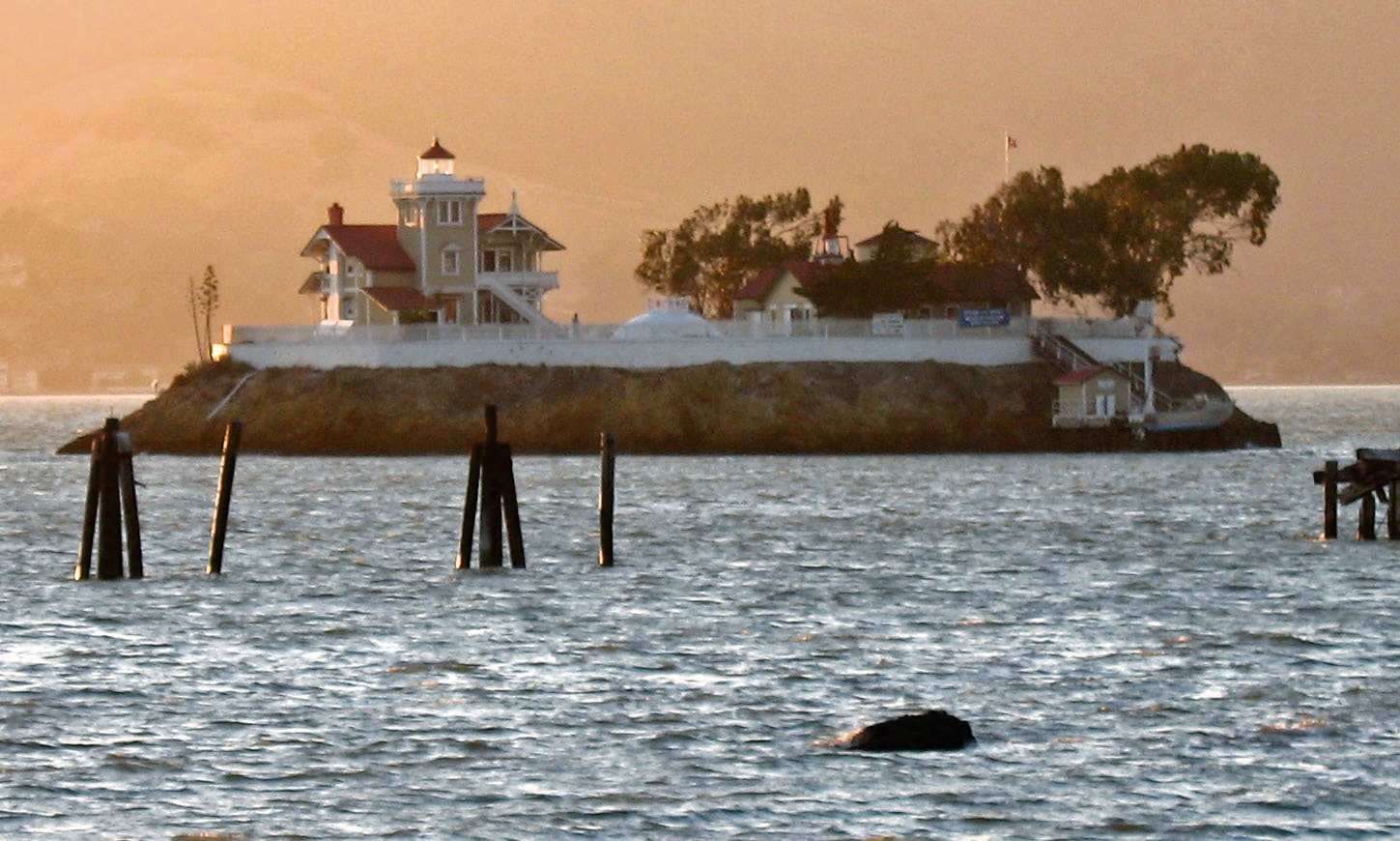
An island between San Francisco Bay and San Pablo Bay proves that remoteness does not always require travelling far. East Brother Light Station is a restored nineteenth-century light station with five guest rooms, four of them inside the historic lighthouse building.
An overnight stay includes the boat journey to the island, a lighthouse tour, dinner and breakfast. But arrival comes with a condition that changes the character of the experience: guests need to be able to climb from the boat onto the island by ladder.
Luxury usually tries to remove every point of friction from travel. East Brother preserves just enough of the original geography to remind you where you are. Then the boat leaves, and the city becomes something on the horizon.
Sometimes the arrival is part of the destination.
Historic, hosted and deliberately small-scale rather than hotel-like.
The ladder transfer creates a real accessibility constraint and should never be treated as a decorative detail.
Saugerties Lighthouse · Hudson River, New York
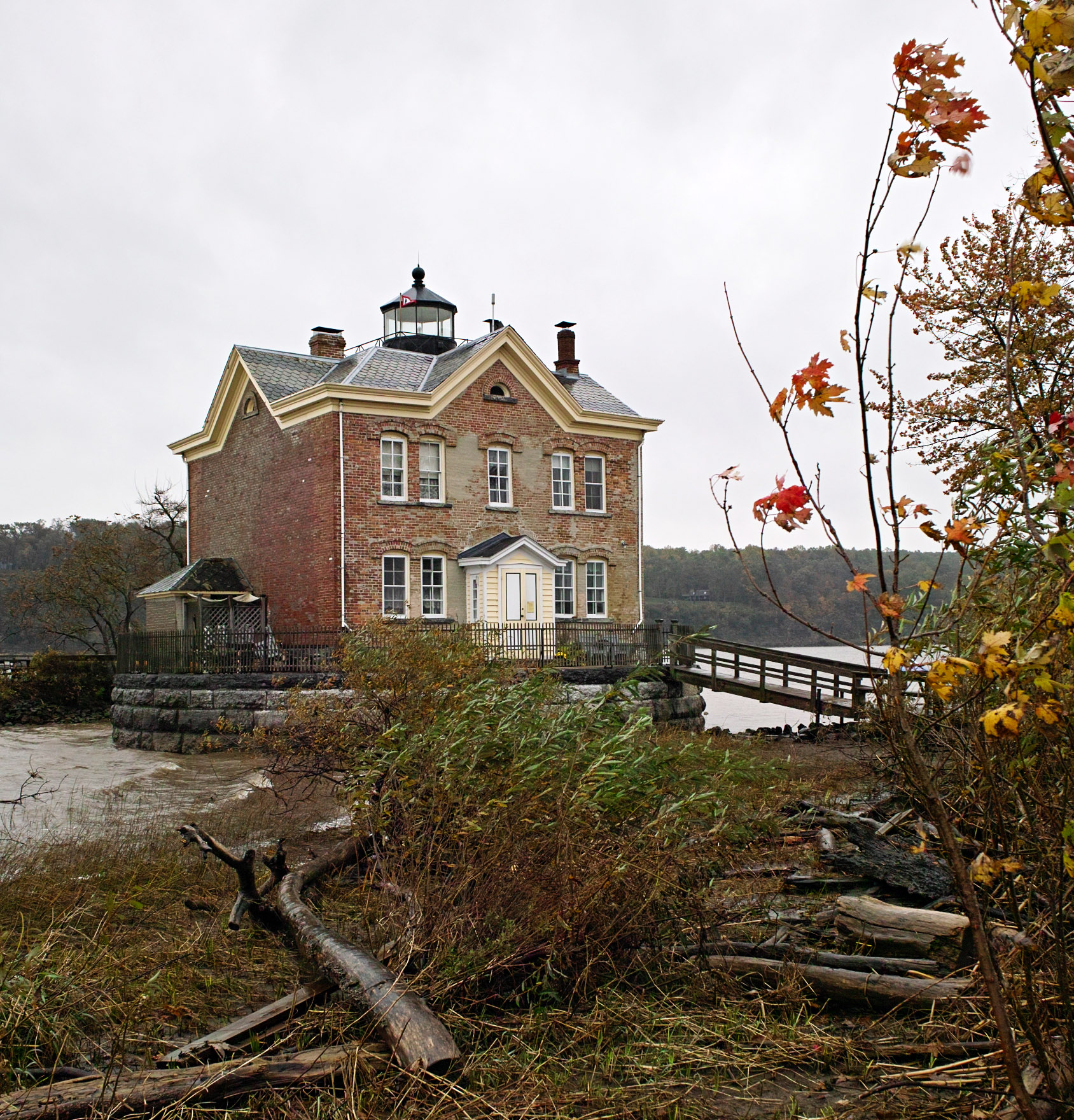
Not every lighthouse needs an ocean. At the mouth of Esopus Creek on the Hudson River stands Saugerties Lighthouse, built in 1869 and still functioning as an aid to navigation, a small museum and a two-room bed and breakfast.
Guests approach on foot along roughly half a mile of nature trail. The stay is intentionally simple: no television, limited internet, no summer air-conditioning and the kind of historic building where comfort comes from character rather than a long amenity list.
Even arrival can be dictated by something hotels normally try to hide from the guest experience: the tide. At certain times, check-in schedules need to move with the Hudson. Here, nature is not scenery added after the fact; it still has authority over the stay.
For travellers who prefer character to amenities.
A short nature trail is part of the approach to the lighthouse.
Tides, seasonal comfort and the intentionally simple facilities matter more here than conventional hotel standards.
Porer Lighthouse · Istria, Croatia
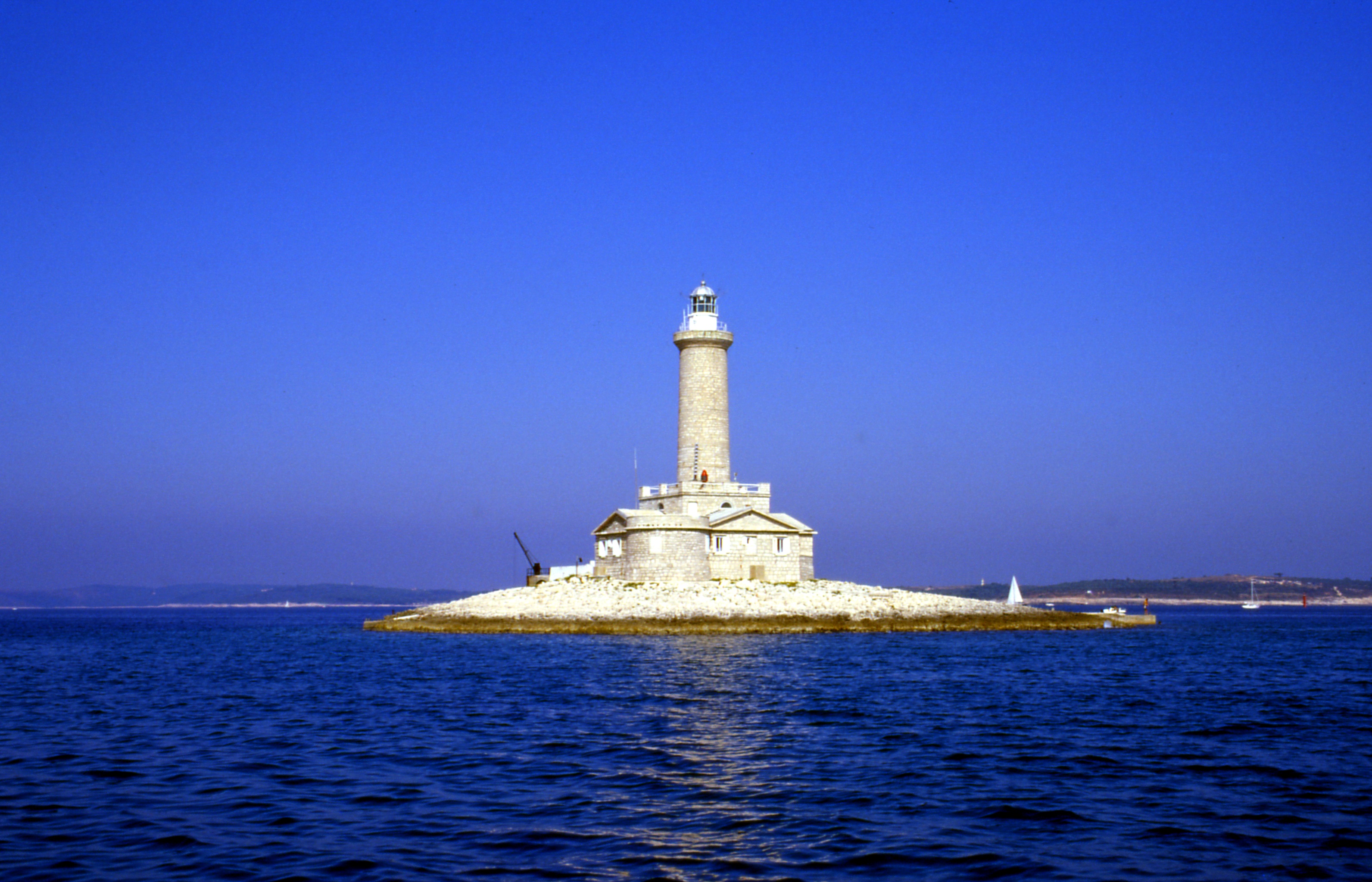
Then there is Porer: a tiny rocky islet off the southern tip of Istria, with a historic lighthouse rising from a keeper’s building surrounded almost entirely by the Adriatic.
The islet is only around eighty metres across. Accommodation remains available in the lighthouse complex, while a permanent lighthouse crew and boat transfers preserve the sense that this is still an operational maritime place rather than a resort designed to imitate one.
A typical island holiday gives you beaches, restaurants and places to explore. Porer removes almost all of them. What remains is stone, sea, sky and a lighthouse — plus the reminder that currents and weather around an exposed islet deserve respect.
For travellers who genuinely mean it when they ask for somewhere quiet.
A tiny working lighthouse islet, not a conventional hotel island.
Boat transfer, sea conditions and strong local currents are practical constraints, not footnotes.
The point isn’t the lighthouse
It would be easy to reduce places like these to novelty: a night in a lighthouse, a photograph, something unusual checked off a list.
But their appeal runs deeper. Travel becomes memorable when the place you sleep stops functioning merely as a base for everything else.
You remember the boat that brought you there. The weather against the windows. The trail determined by the tide. The moment the mainland disappeared. The beam moving across the darkness long after there was nowhere left to go.
Some places give you a bed. A few change your relationship with where you are.
Those are the places worth travelling for.