
Altitude changes a place before you even arrive. Roads narrow. Trees disappear. Weather becomes less negotiable. And somewhere above the point where most journeys turn around, a few buildings still let you stay the night.
Some began as observatories. Others as mountain refuges, scientific outposts or fire lookouts. None of them work because they have a dramatic view alone. They work because reaching the bed changes the shape of the journey.
These are six Rare Stays where the air is thinner, the access matters and the night feels different because leaving is no longer the easiest option.
Pic du Midi · French Pyrenees, France
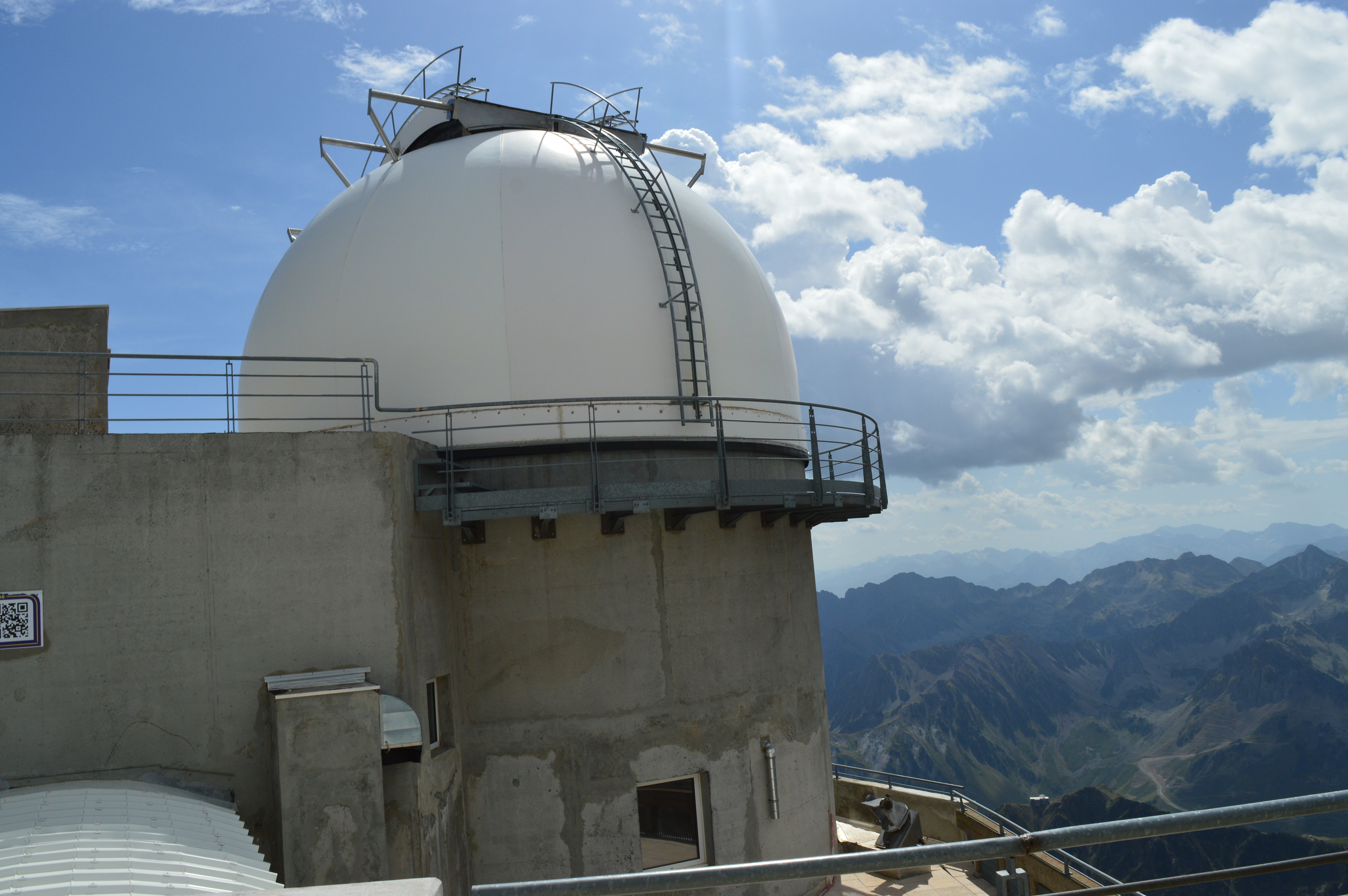
At 2,877 metres in the French Pyrenees, Pic du Midi is first an astronomical observatory and only then, for a very small number of guests, a place to sleep. The classic Night at the Summit uses former rooms of scientists and astronomers rather than a purpose-built hotel wing.
That distinction matters. The evening extends beyond dinner into the observatory itself, with access shaped around astronomy, darkness and the unusual privilege of remaining on the summit after the daytime visitors have gone.
It is also one of the least casual stays in this collection from an availability perspective. Official ticketing currently shows the classic summit-night experience booked extraordinarily far ahead, so OREVYON would treat it as a long-lead aspiration rather than something to build a near-term Journey around without checking live inventory first.
For travellers who want the night sky to be part of the accommodation rather than an excursion.
The summit is reached by cable car; altitude and weather are part of the experience from the start.
Availability is exceptionally constrained and the high-altitude environment is not suitable for every traveller.
3100 Kulmhotel Gornergrat · Zermatt, Switzerland
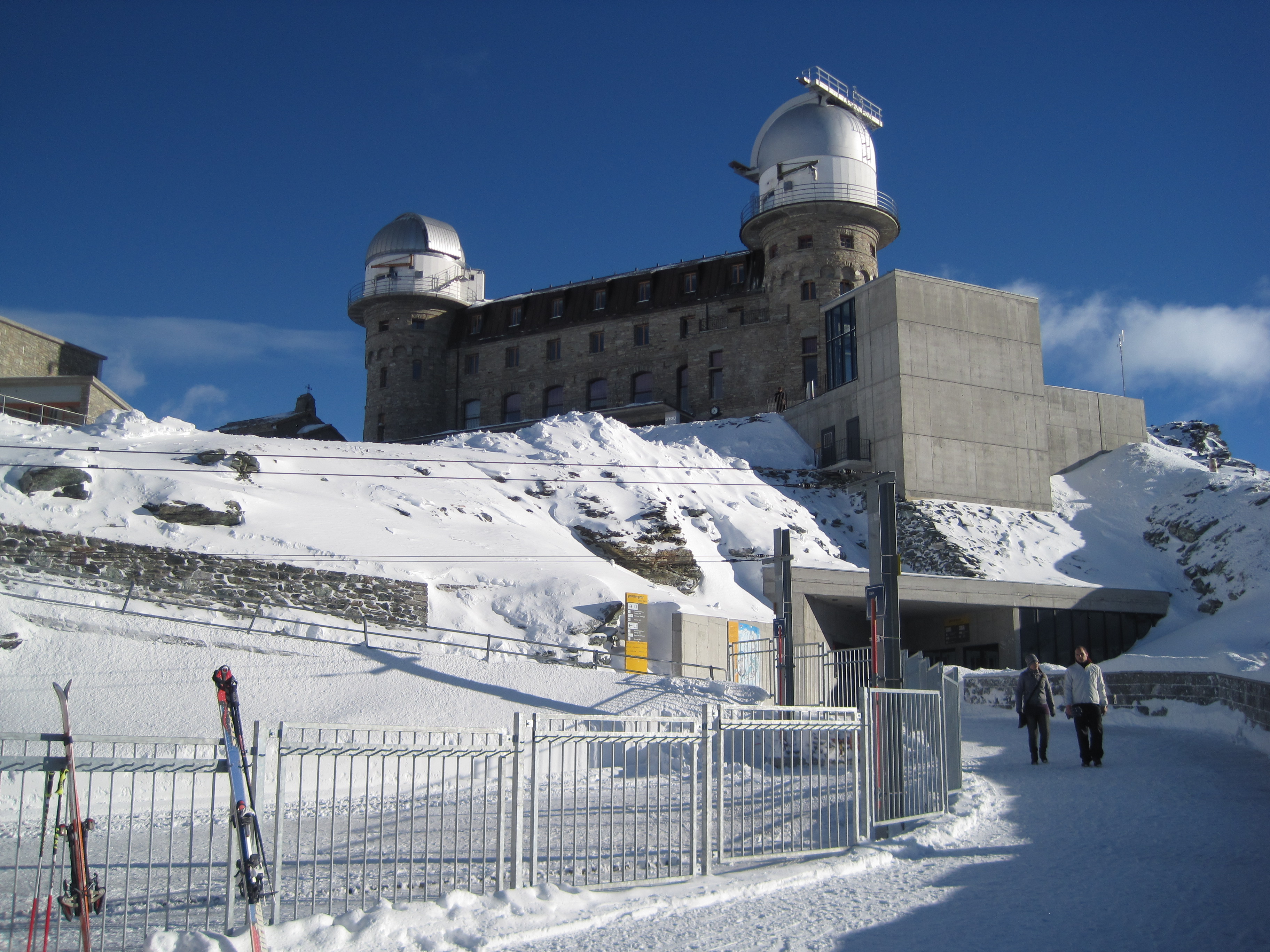
Gornergrat is easier to reach but no less improbable once the last train begins its descent. The cog railway climbs from Zermatt to more than 3,000 metres, where the 3100 Kulmhotel sits among glaciers, observatory domes and one of the Alps’ most recognisable skylines.
The hotel has just 22 rooms. That scale keeps the night from feeling like a conventional mountain resort, especially once the day visitors leave and the ridge becomes quieter. The Matterhorn is the obvious landmark, but Monte Rosa, glaciers and the surrounding four-thousand-metre peaks are what give the stay its depth.
The scientific layer is real too: observatory facilities remain part of Gornergrat’s identity, although special access should be treated as an arranged experience rather than something automatically included with every room.
The gentlest way into this collection — extreme altitude without a mountaineering approach.
The Gornergrat cog railway from Zermatt makes the summit hotel unusually accessible for its elevation.
Train times, weather and observatory access should be checked separately from the room booking.
Rifugio Lagazuoi · Dolomites, Italy
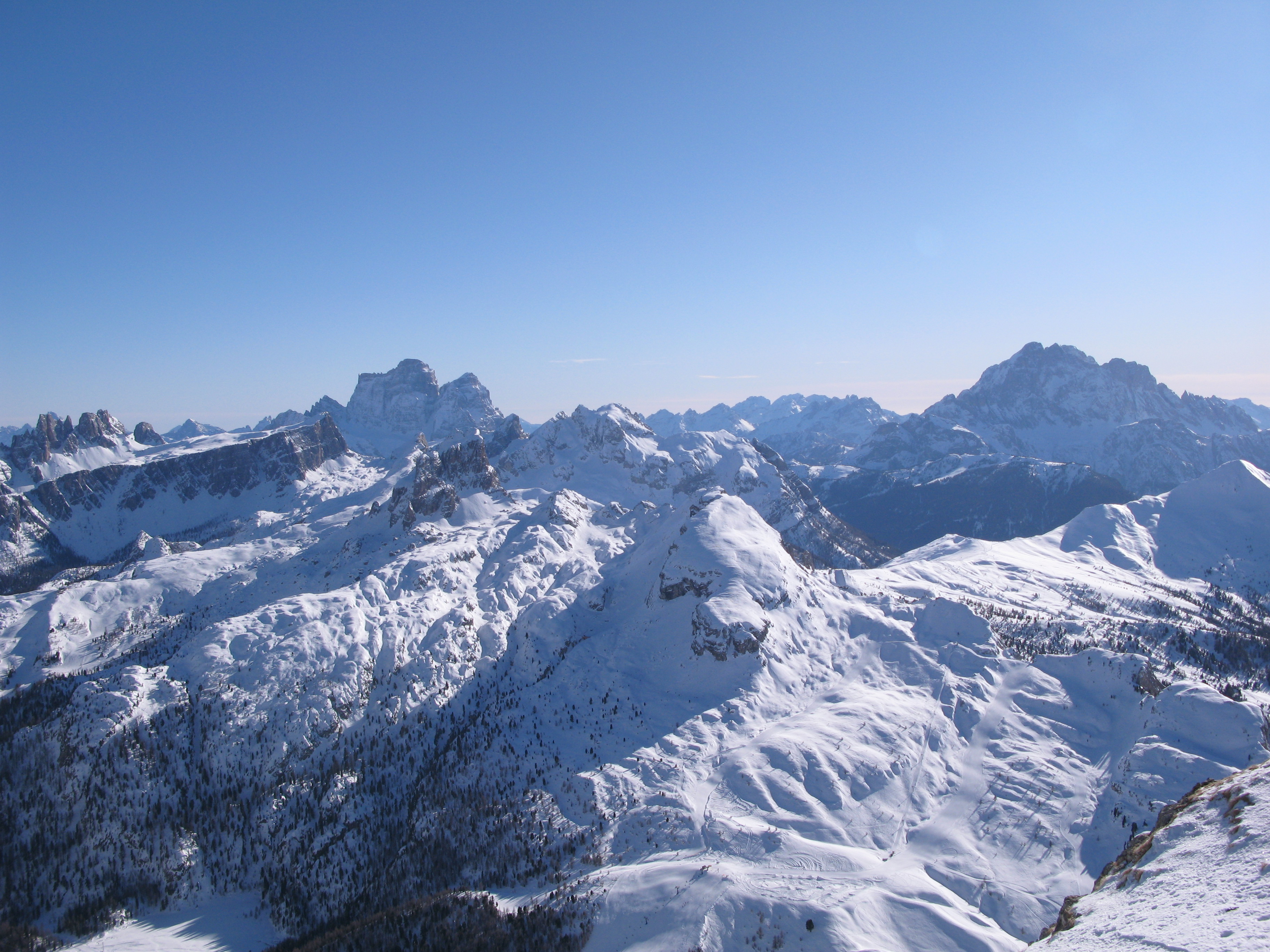
Rifugio Lagazuoi sits at 2,752 metres above the Falzarego Pass, with the Dolomites falling away in almost every direction. By day, the cable car makes the summit accessible. By evening, the same building feels considerably farther from the road below.
This is a working mountain refuge rather than a disguised boutique hotel. Overnight options include rooms and dormitory-style accommodation, and the appeal is tied to being on the mountain early and late — when sunrise, alpenglow and changing weather replace the usual hotel programme.
It is precisely the relative accessibility that makes Lagazuoi interesting for Rare Stays. You can experience a genuine high-mountain night without turning the entire trip into an expedition, while still having to respect cable-car schedules, hiking conditions and mountain weather.
For a first mountain-refuge night where the setting feels serious but the approach can remain manageable.
Cable car or hiking routes connect the refuge to the Falzarego Pass area.
A refuge has a different comfort model from a hotel; season, lift operation and weather can change the practical plan.
Capanna Margherita · Monte Rosa, Italy
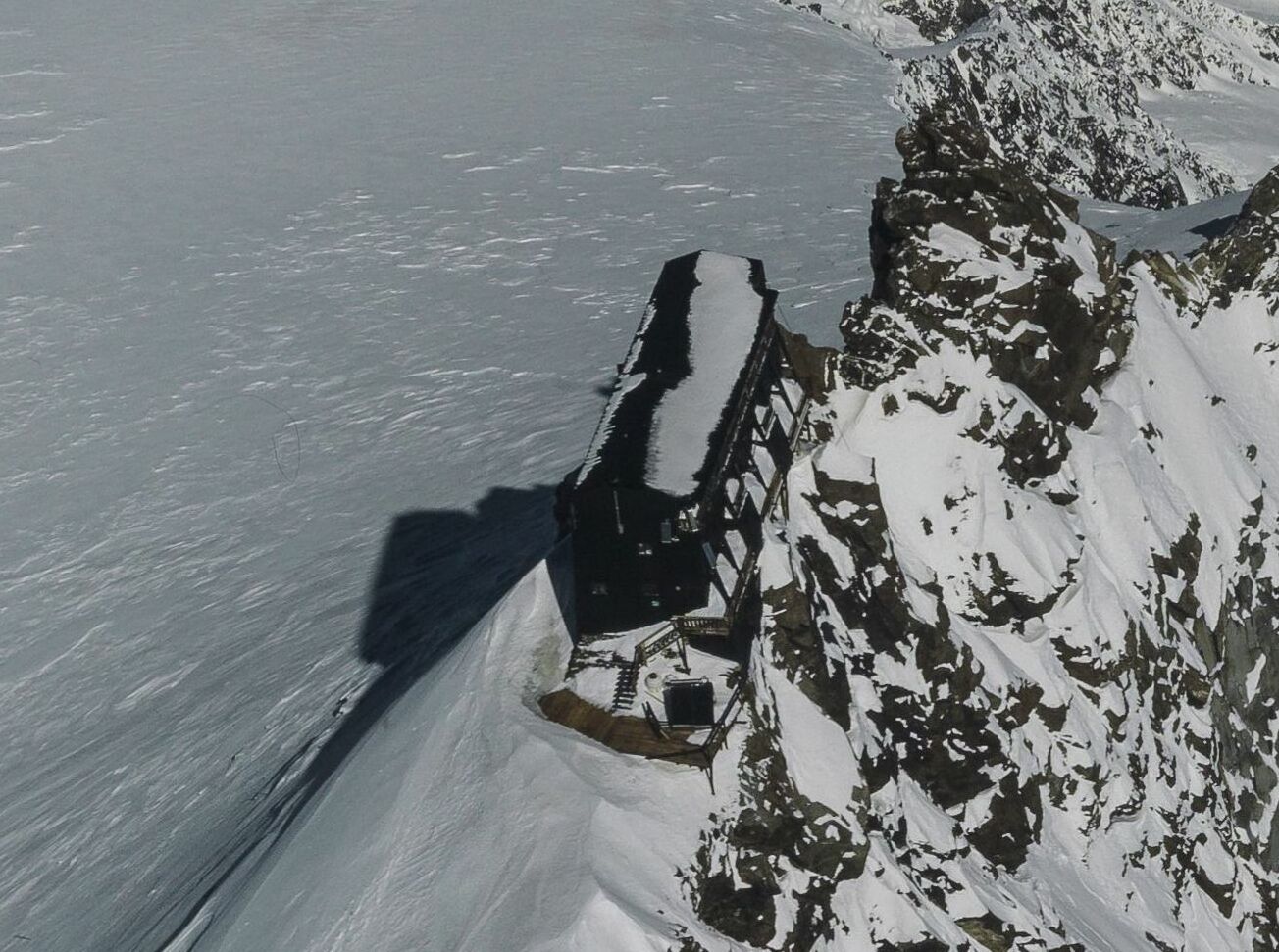
At 4,554 metres on Punta Gnifetti, Capanna Margherita changes the definition of a Rare Stay completely. It is one of Europe’s highest staffed buildings and a genuine mountain hut with around seventy beds in the managed summer season.
The important fact is not that you can sleep there. It is what has to happen before you can. Reaching the hut means entering high-alpine, glaciated terrain where acclimatisation, equipment, conditions and mountaineering judgement matter. This is not an unusual hotel that happens to sit high on a mountain.
For OREVYON, Capanna Margherita belongs in Discovery as an edge case: accommodation and objective become the same thing. The night is memorable because the journey up cannot be separated from the bed at the end of it.
For experienced or properly guided travellers whose trip is built around the mountain itself.
High-alpine glacier travel; treat the approach as mountaineering, not hotel transfer logistics.
Altitude, acclimatisation, technical conditions and professional guidance can be decisive. This is not suitable as a casual add-on to an Italy itinerary.
Mueller Hut · Aoraki/Mount Cook, New Zealand
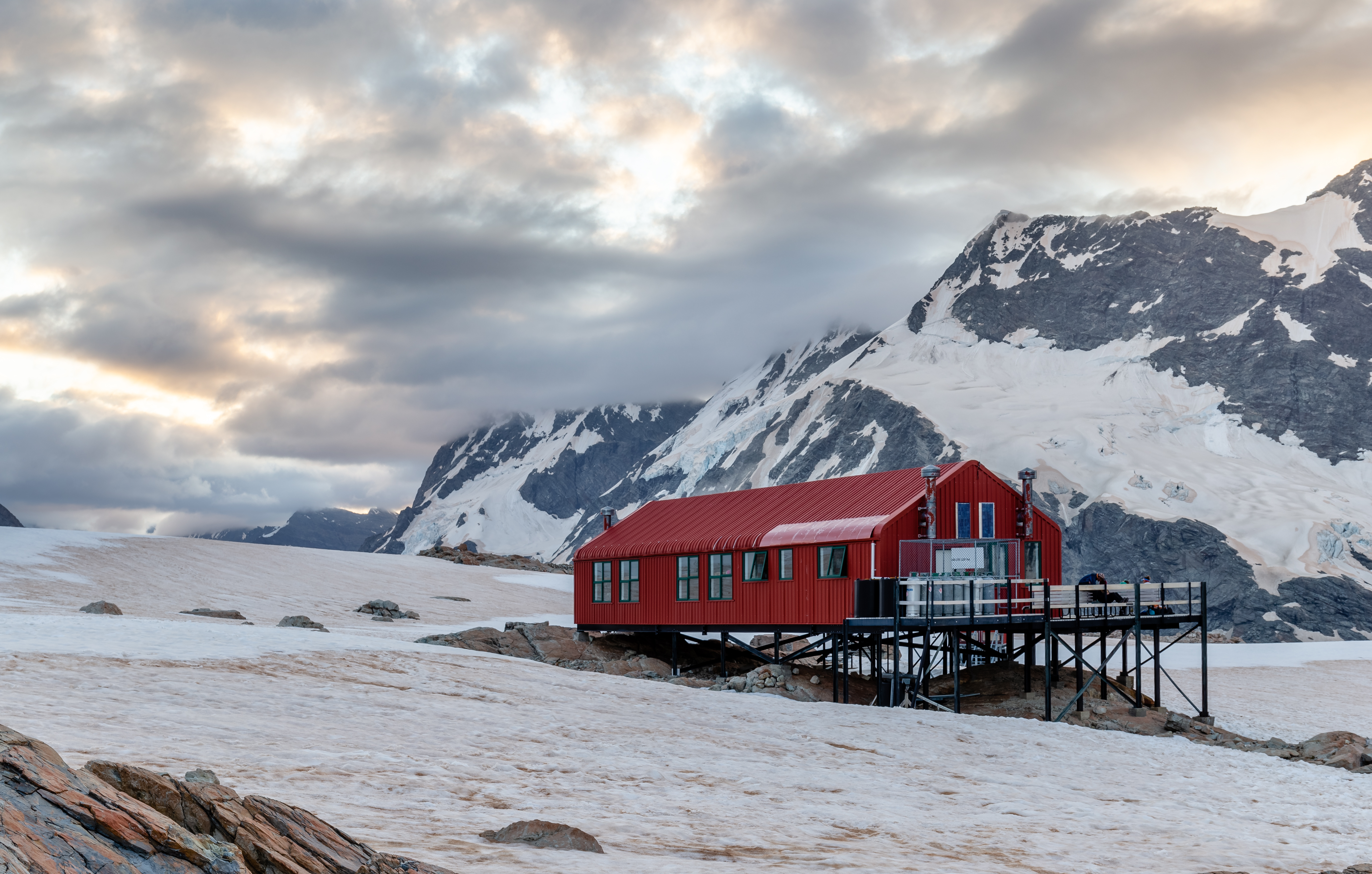
Mueller Hut strips the idea back even further. There is no railway, cable car or summit hotel. The red alpine hut sits above the Hooker Valley in Aoraki/Mount Cook National Park, reached by a route that gains roughly 1,000 metres and typically takes several hours one way.
Inside are 28 bunks and the functional simplicity of a serviced backcountry hut. Outside are glaciers, scree, exposed ridges and a landscape dominated by Aoraki / Mount Cook. The luxury is not in the room; it is in being able to stay after the day hikers have descended.
Booking rules and route conditions change with the season. In the managed summer period reservations are required, while outside it the operating model changes and winter conditions can demand genuine mountaineering skills.
For travellers who understand that effort can be part of what makes a stay valuable.
A demanding alpine hike with substantial elevation gain; there is no mechanical shortcut to the hut.
Weather, snow and seasonal booking rules materially change the difficulty and should be checked immediately before planning.
Double Arrow Lookout · Montana, USA
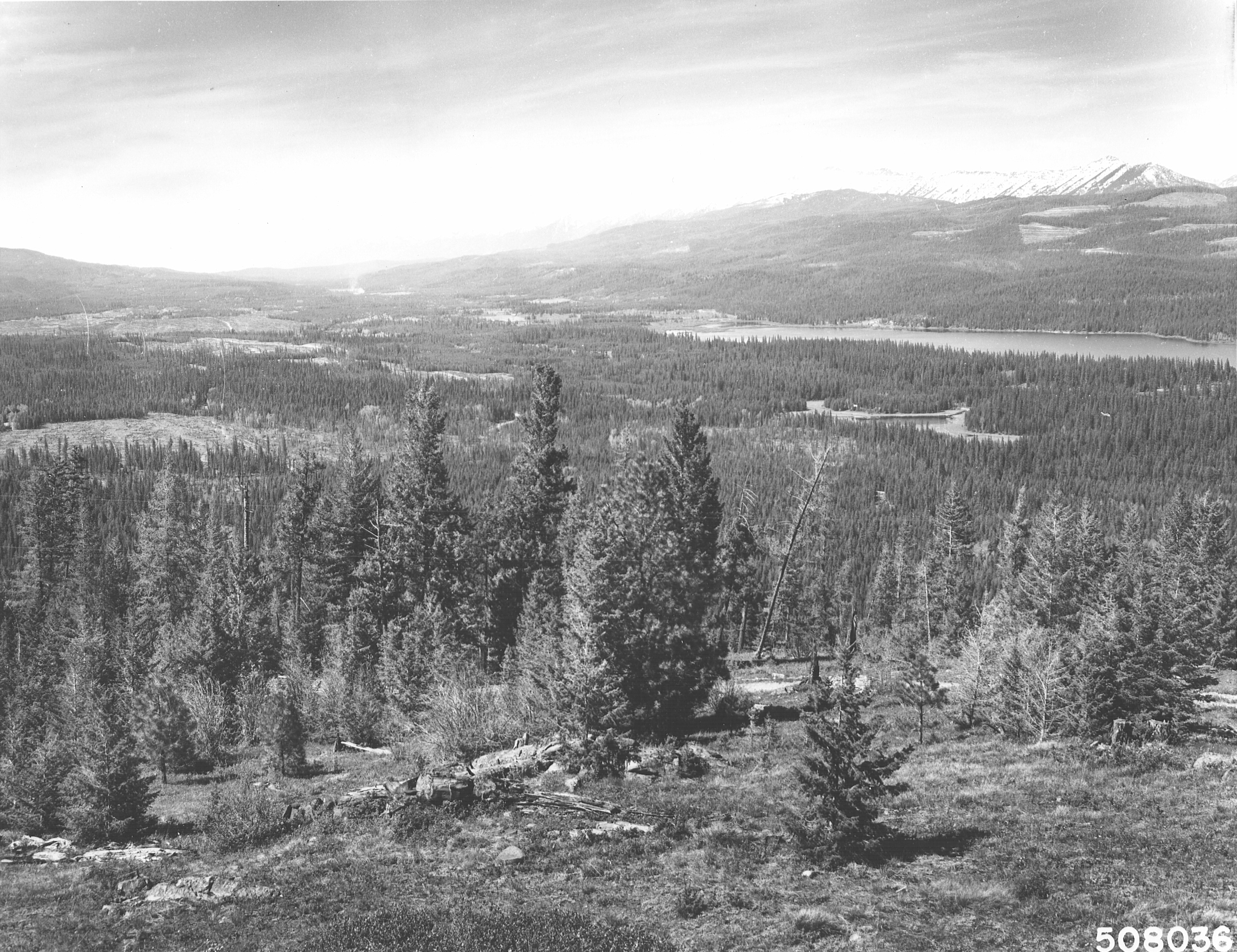
Altitude does not always have to mean glaciers. In Montana, Double Arrow Lookout turns a different kind of working structure into an overnight stay: a 1933 fire lookout with compact living quarters perched on a tower above forested country near Seeley Lake.
The room is simple and the infrastructure is deliberately limited. There is no water supply, the approach road can be rough, and the tower’s exposed position means weather remains something you experience rather than something a hotel shields you from.
What makes it belong here is perspective. A fire lookout was built to see farther than almost anything around it. Sleeping in one changes a forest stay from being among the trees to watching an entire landscape settle into darkness. Current overnight booking status should always be checked directly before building a Journey around it.
For solitude without alpine technicality — remote, elevated and intentionally simple.
Road access is possible, but rough conditions and vehicle clearance can matter.
Bring water and verify current reservation status, seasonal access, fire restrictions and road conditions.
Altitude changes more than the view
A high room is easy to market with a photograph. What matters more is what elevation does to time.
You arrive earlier because the last lift matters. You carry more because the hut has less. You watch the weather because the weather has authority. You stop treating the night as the interval between two days.
That is the Rare Stays test. The accommodation should not merely look exceptional. It should make the journey behave differently.