
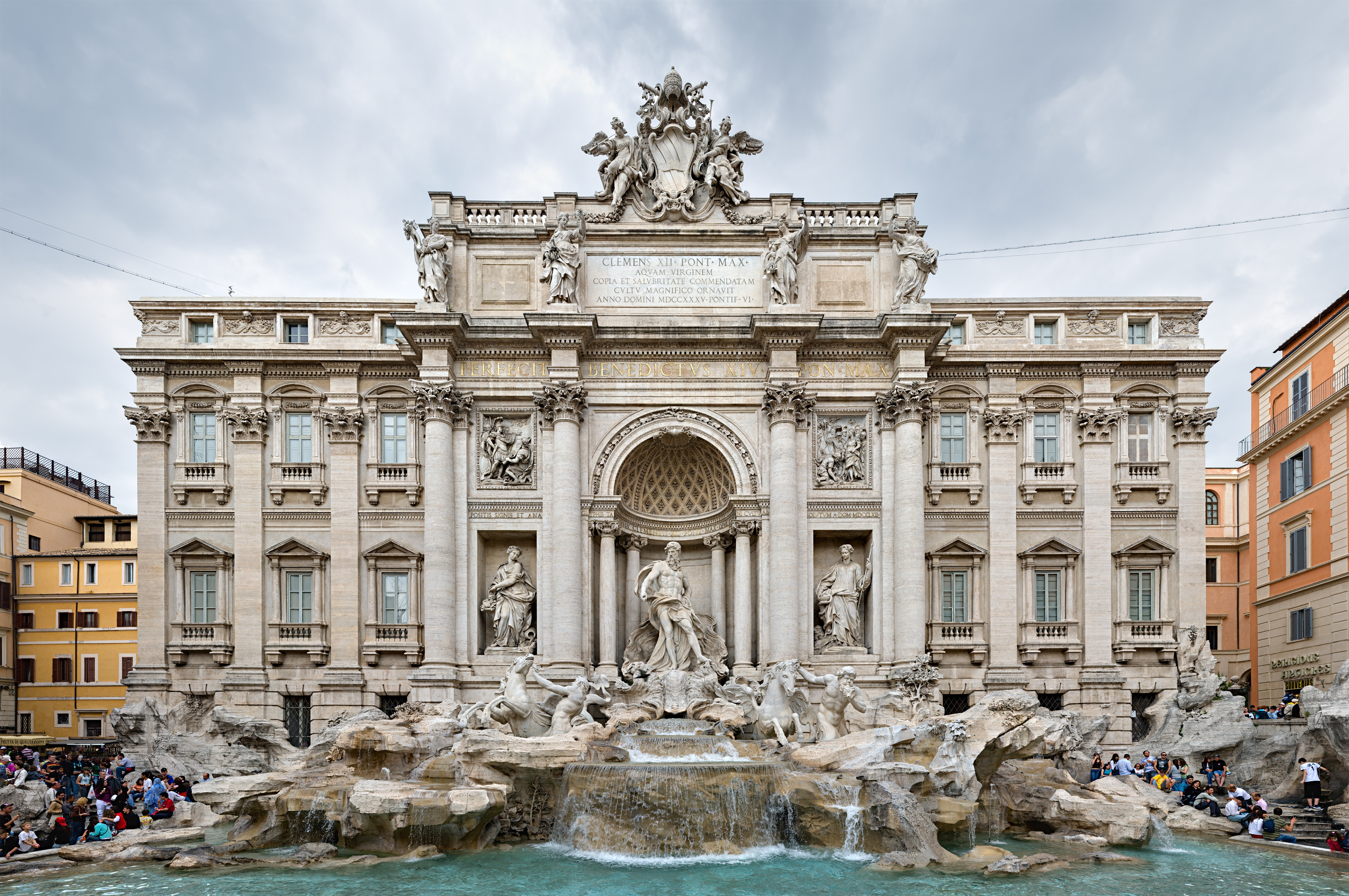


How Rome changes through the year, and why the right travel window depends on the experience you want rather than one universal “best month”. For Rome, the most relevant context is this: Layered capital where ancient Rome, papal history, Baroque streets, neighbourhood food and major green archaeological areas coexist across a large walkable core.
The current seasonal read
Spring and autumn provide the easiest balance for long walking days and outdoor archaeology. Summer is hot and heavily visited, while winter is cooler and more manageable.
What the season changes
In Rome, season changes more than comfort. It alters how much room there is for Ancient history, how easily a day built around Art and architecture can coexist with the rest of the journey, and how dependent the journey becomes on transport, indoor space or exact timing.
Crowds follow their own curve
High at the Colosseum, Vatican, Trevi Fountain and central historic corridors, especially in peak season. A period with perfect weather can still be a weaker fit for someone prioritising quiet, repetition or slow local rhythm. Conversely, extra energy or crowding can add value when the trip is built around Roman food.
Mobility and usable day length
Excellent without a car through walking, metro, buses and rail; many of the strongest central experiences connect naturally on foot. The value of those mobility options changes when heat, cold, rain or shorter days shift the amount of usable outdoor time. A seasonal plan should therefore decide when you move, not only what you visit.
Food and evening through the year
Culinaire diepte: A meaningful part of the destination experience. Evening depth: Strong enough to support multiple distinct evenings. In less outdoor-led periods these layers can carry more of the journey; in easier periods they become a complement to longer days outside. In this destination, OREVYON connects that directly to: Rome is strongest when archaeology, neighbourhood food and ordinary street life are paced over several days rather than compressed into an icon checklist.
The right period only exists for a specific traveller
Travellers coming to Rome for Ancient history, Art and architecture, Roman food should choose the window in which those priorities are least eroded by Total quiet, Crowd-averse peak-season travel, Heat-sensitive midsummer walking. That is more precise than declaring one month the universal winner.