
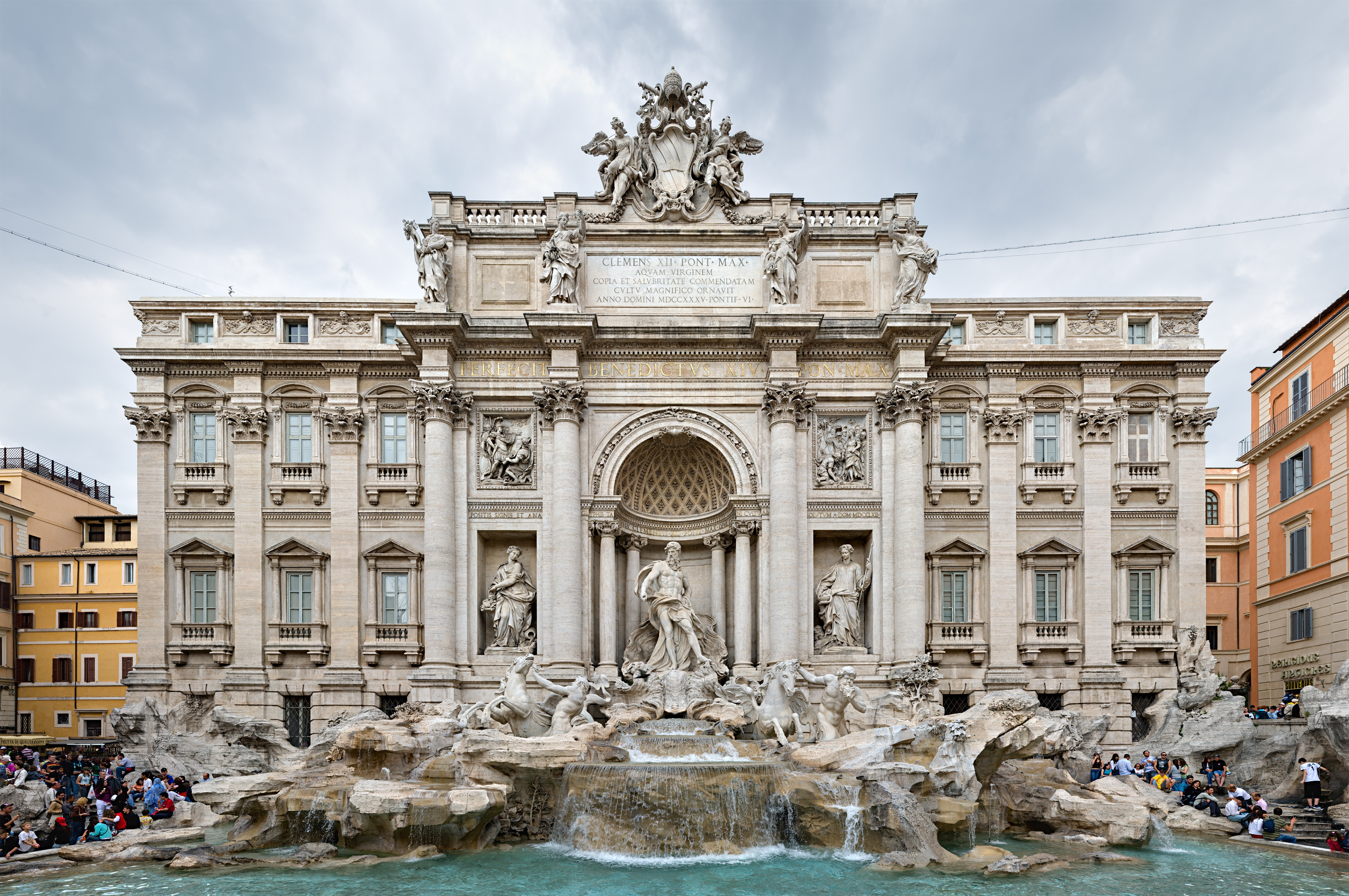


An editorial read on Rome once the best-known sights stop carrying the whole journey: rhythm, evenings, crowd pressure and the texture between planned stops. For Rome, the most relevant context is this: Layered capital where ancient Rome, papal history, Baroque streets, neighbourhood food and major green archaeological areas coexist across a large walkable core.
Atmosphere begins where the summary ends
Layered capital where ancient Rome, papal history, Baroque streets, neighbourhood food and major green archaeological areas coexist across a large walkable core. That describes the destination, but atmosphere appears in the transitions between those qualities: how long you stay somewhere, how the evening changes, how many people share the same space and how much time remains without a concrete task.
Crowding as part of the experience
High at the Colosseum, Vatican, Trevi Fountain and central historic corridors, especially in peak season. This is not a minor operational footnote. Crowding can decide whether Ancient history feels intimate, energetic or exhausting. Timing and route order therefore change not only efficiency, but the emotional version of Rome you experience.
Evening as a second destination
Strong enough to support multiple distinct evenings. When evening depth is strong, it deserves its own space rather than functioning as an extension of an overloaded day. When evenings are quieter, that slowdown can be exactly what strengthens the atmosphere. In this destination, OREVYON connects that directly to: Rome is strongest when archaeology, neighbourhood food and ordinary street life are paced over several days rather than compressed into an icon checklist.
Why unscheduled time works
Rome is strongest when archaeology, neighbourhood food and ordinary street life are paced over several days rather than compressed into an icon checklist. In a journey built around Ancient history, Art and architecture, Roman food, not every gap is a problem to fill. Some gaps are where observation, repetition and local routine finally become visible.
The OREVYON read
The atmosphere of Rome is not found by adding more highlights. It becomes legible when the route has enough confidence to let one strong place last longer than planned. The local context changes that rule, however: Spring and autumn provide the easiest balance for long walking days and outdoor archaeology. Summer is hot and heavily visited, while winter is cooler and more manageable.