
Tokyo changes character after dark because each district carries the evening differently. Shinjuku, Shibuya, Ginza, Ueno and other neighbourhoods do not collapse into one nightlife scene. The strongest late-day plan chooses the kind of evening you want first, then keeps dinner, walking and onward movement coherent around it.
Choose the evening mood before choosing the venue

A high-energy district, a polished dinner area and a quieter neighbourhood night are different trips. Start with the atmosphere you want rather than the most famous address. That prevents the evening from becoming another cross-city checklist.
Let food lead naturally into the night
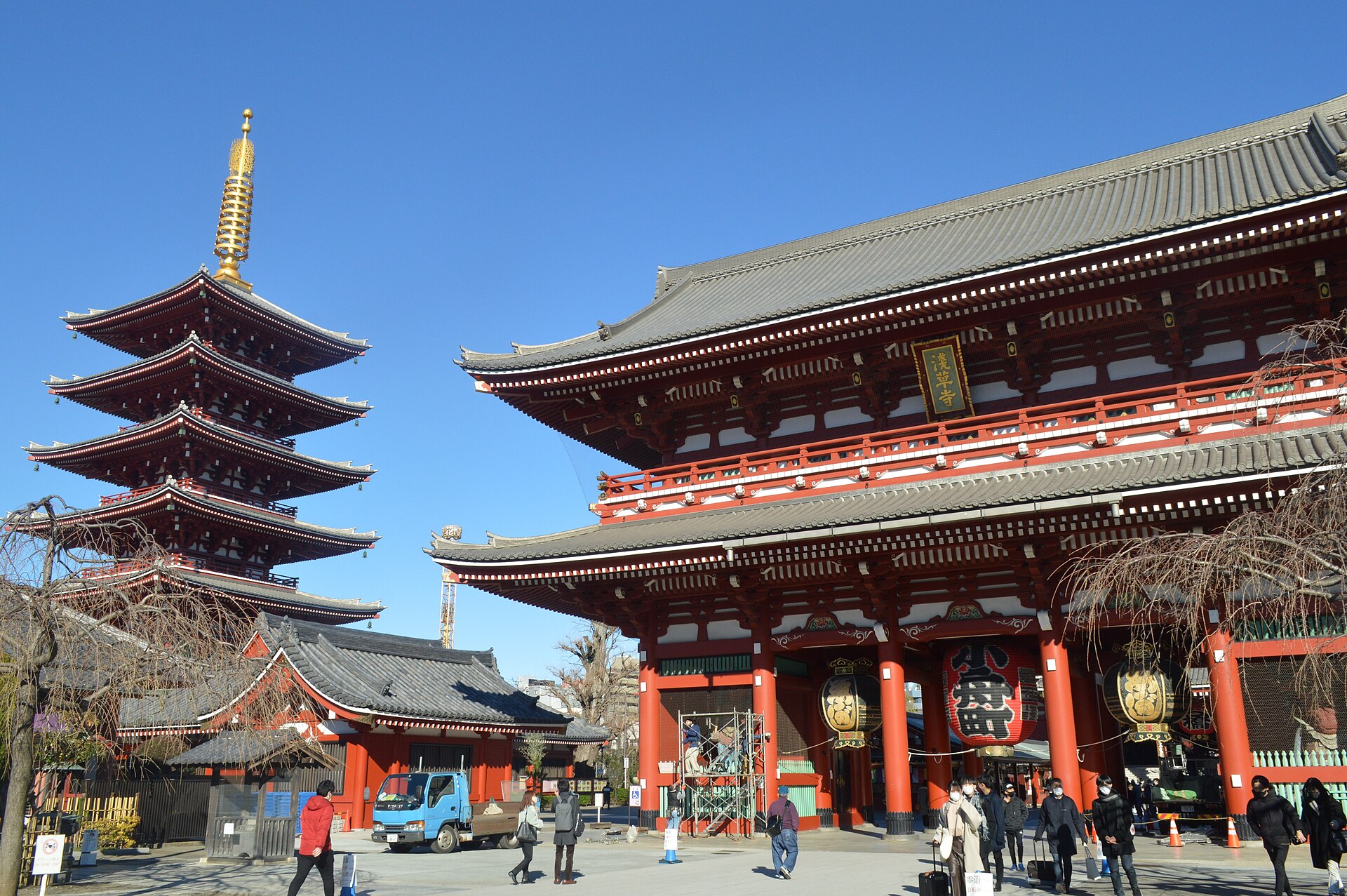
Tokyo's food depth and evening depth reinforce each other. A strong dinner district can carry the rest of the night without another major transfer. That is often more satisfying than eating in one area, drinking in another and returning across the city simply because three recommendations looked good separately.
Rail keeps the city open, but timing still matters
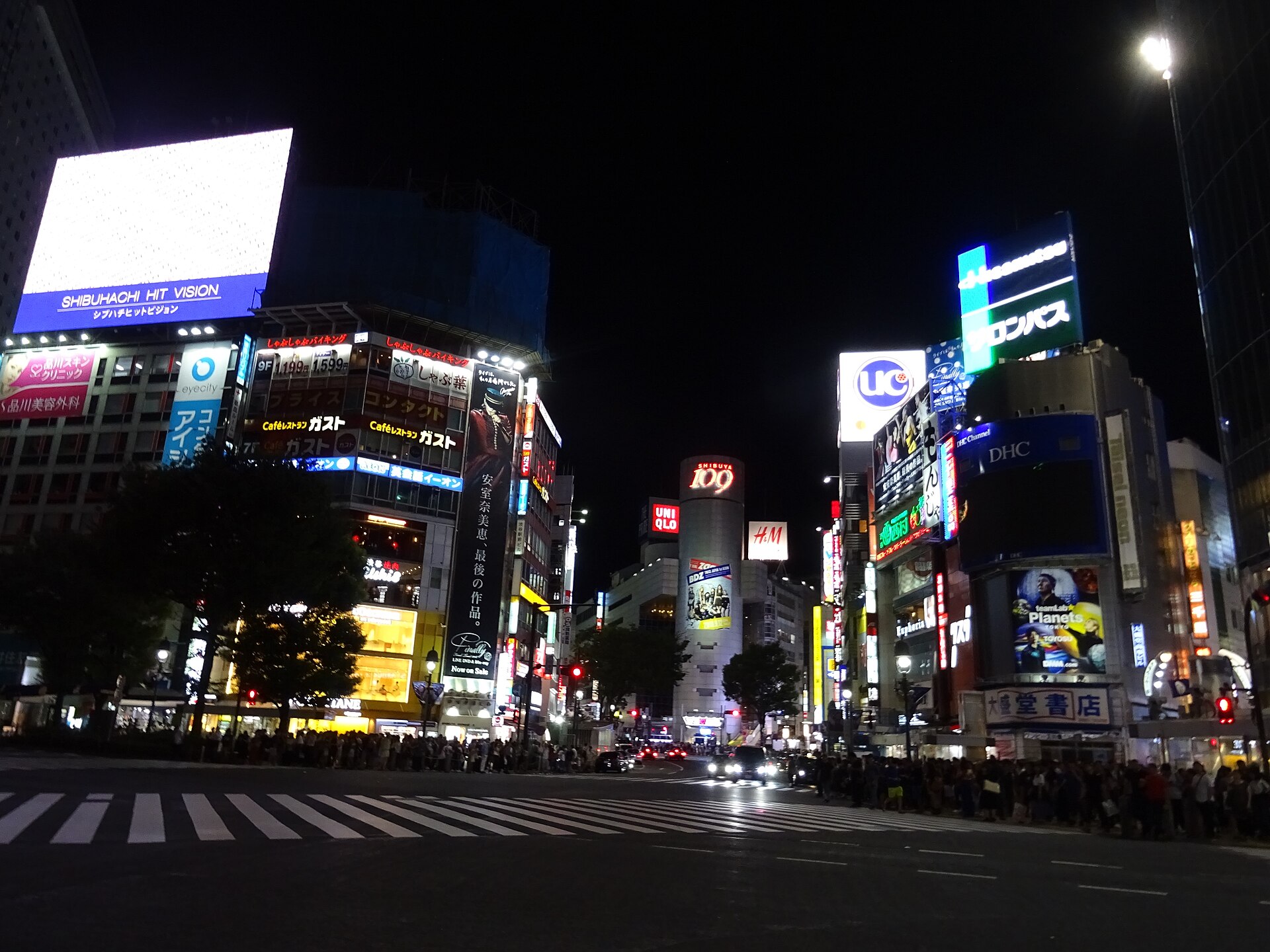
Public transport makes Tokyo highly usable at night, but late-evening plans should still account for live service patterns and the journey back to your base. The further the night stretches, the more valuable it becomes to know where you want to finish.
Different districts deserve different nights
Tokyo is strong enough to support several evenings without repetition. Use that depth: one high-energy night, one food-led night, one quieter neighbourhood evening. The point is not to cover nightlife categories but to experience how the city changes after the daytime crowds thin out.
Keep at least one evening unscripted
The best late-night memory may come from staying longer in a district you expected to leave. Protect that possibility by not reserving every hour. Tokyo after dark works best when the plan gives structure without removing spontaneity.