
Tokyo becomes manageable when you stop treating it as one centre. Its scale is enormous, but the visitor experience is surprisingly coherent when each day is built around a small number of districts. For a first trip, the most important decisions are where you sleep, how many nights you have and which neighbourhoods deserve to be experienced slowly rather than collected.
Five to eight nights gives Tokyo room to become more than a highlights trip

Tokyo can fill far more than a week, so a first visit does not need to aim for completeness. Five to eight nights lets you combine major cultural stops with neighbourhood time, food, design and several distinct evenings. On a shorter stay, reduce the number of districts rather than trying to keep the same list at a faster pace.
Your base should match the Tokyo you want after dark
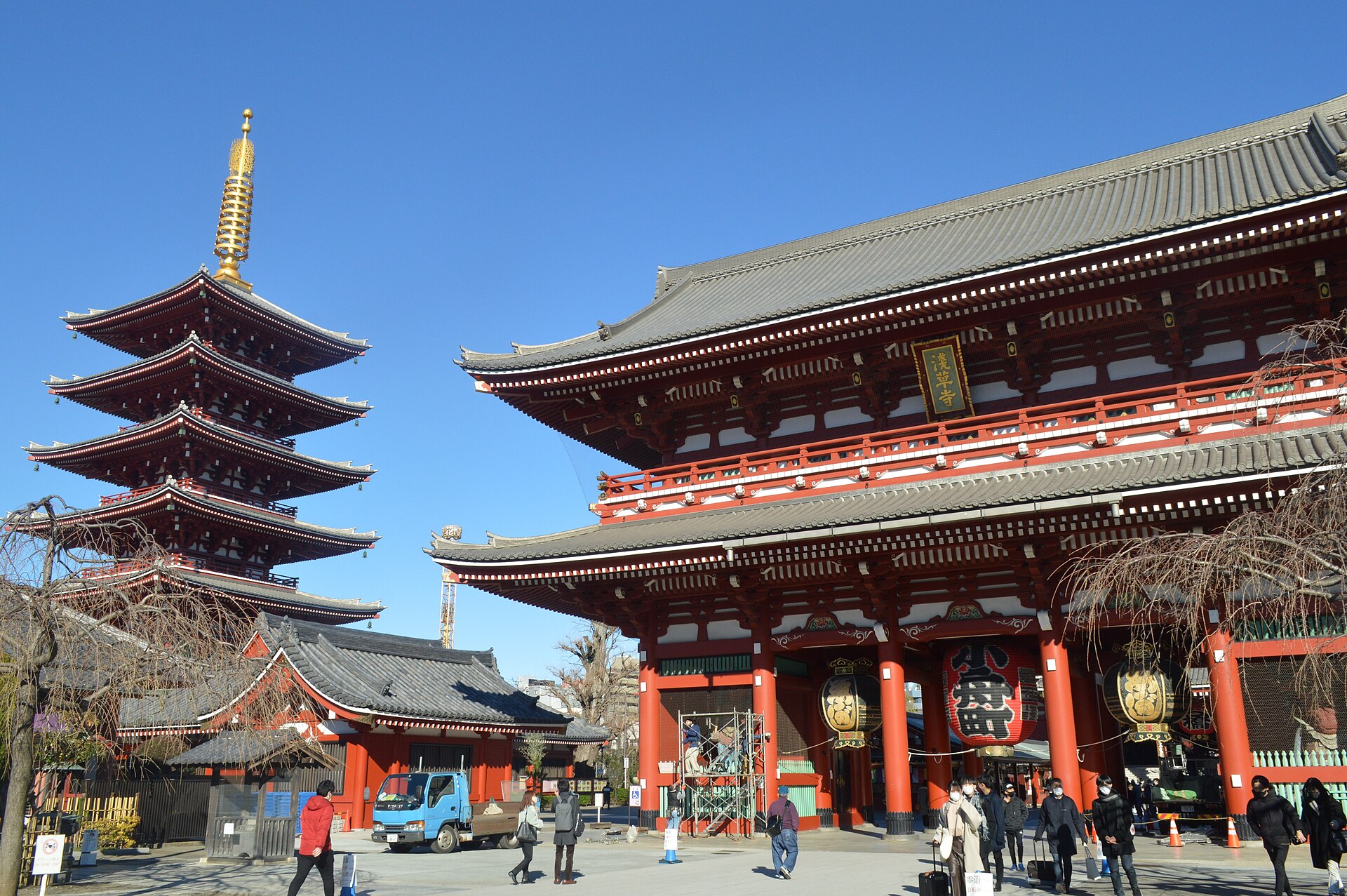
Shinjuku and Shibuya suit travellers who want high-energy evenings and fast access to major western districts. Ueno and Asakusa create a different rhythm around older urban character, museums and the east side. Ginza and Marunouchi fit a more polished central base with strong rail access. None is universally best; choose the area that reduces the cross-city movements you care least about.
Plan by district, not by individual attraction
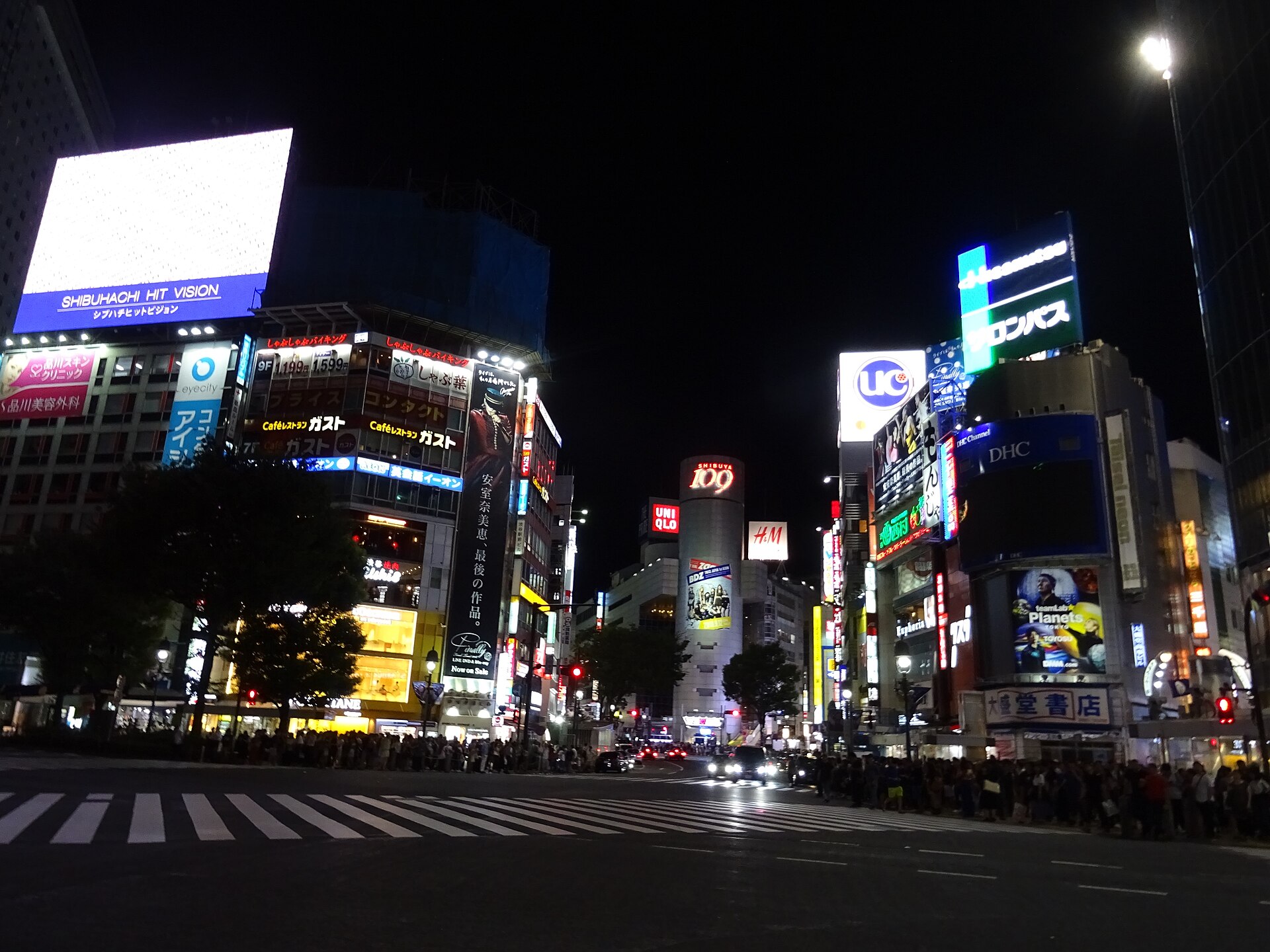
Official Tokyo itineraries themselves organise exploration by neighbourhood and theme, which is the right logic for a city this large. Pair places that naturally belong together and allow time to walk between them. A day that stays within one side of the city often feels richer than a list that sends you across Tokyo three times.
Tokyo works exceptionally well without a car
Explore destination →Rail, subway, buses and walking can carry the core trip, with IC cards simplifying movement across the network. The challenge is not transport availability but decision overload. Learn the route you need for each day, accept a little station complexity and avoid adding unnecessary transfers simply to chase one recommendation.
The main friction is intensity, not lack of access
Popular districts can feel extremely crowded, the city is expansive and sought-after dining or museum visits can benefit from planning ahead. Protect the trip by keeping one or two evenings flexible, reserving only what truly needs it and accepting that Tokyo is a city to revisit. The strongest first trip leaves unexplored districts on purpose.