
Tokyo does not have one universally best month. OREVYON reads timing through three things: how much you want to walk, how comfortable you are with crowd pressure and whether seasonal atmosphere is worth the extra intensity. March, April, October and November form the strongest broad editorial window, but the right choice still depends on your travel style.
Spring and autumn are the clearest all-round windows

These periods generally support long urban days, district hopping and outdoor movement better than the most demanding parts of summer. They also carry some of Tokyo's strongest seasonal appeal, which can make them feel especially rewarding for a first visit.
Seasonal appeal and crowd pressure arrive together
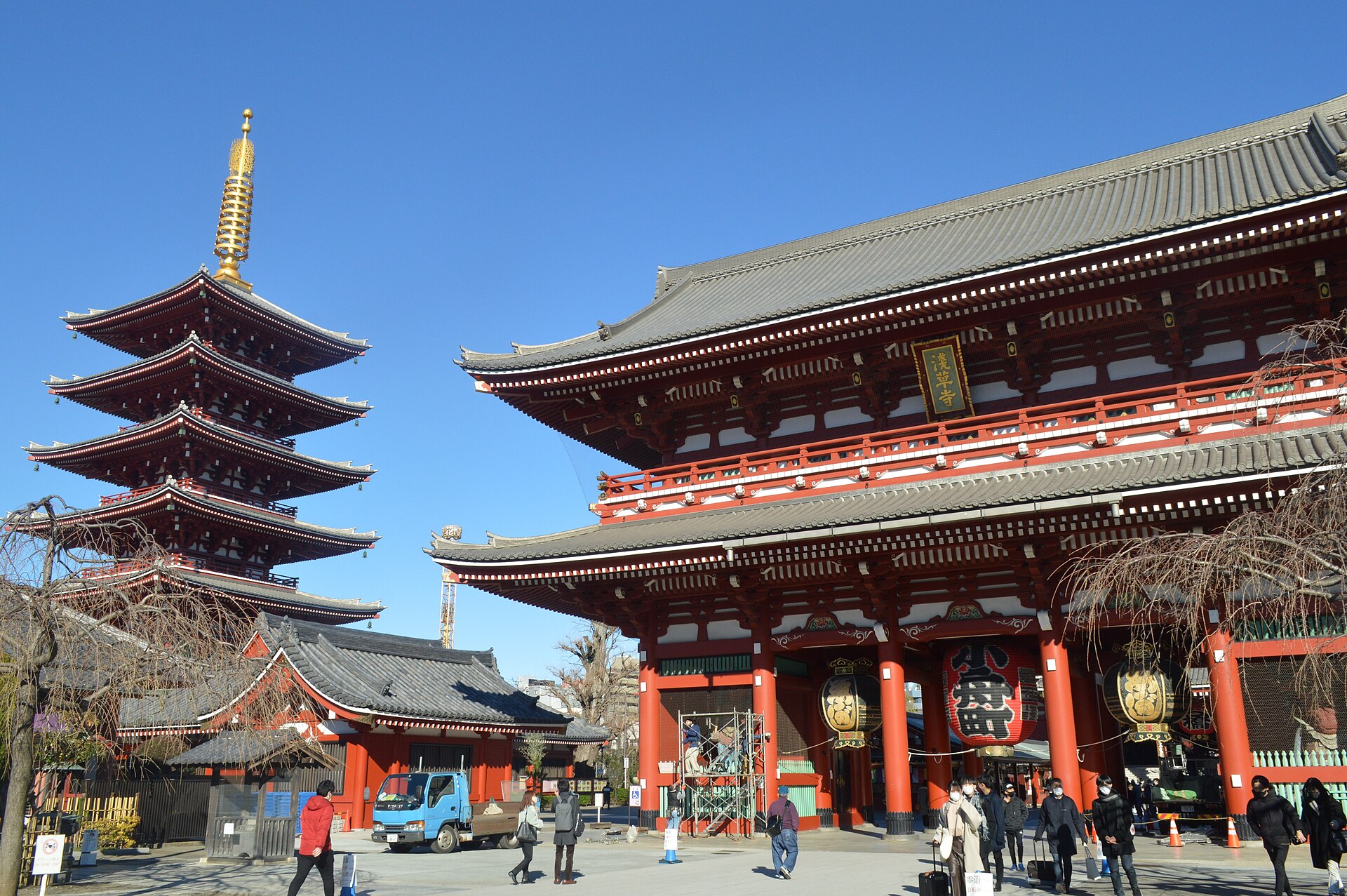
The same periods that attract travellers for atmosphere can increase pressure in popular districts and well-known sights. If you dislike dense crowds, the timing decision should include both the month and the hour of day. Early starts, later evenings and less obvious districts can materially improve the experience.
Summer changes the rhythm more than the destination
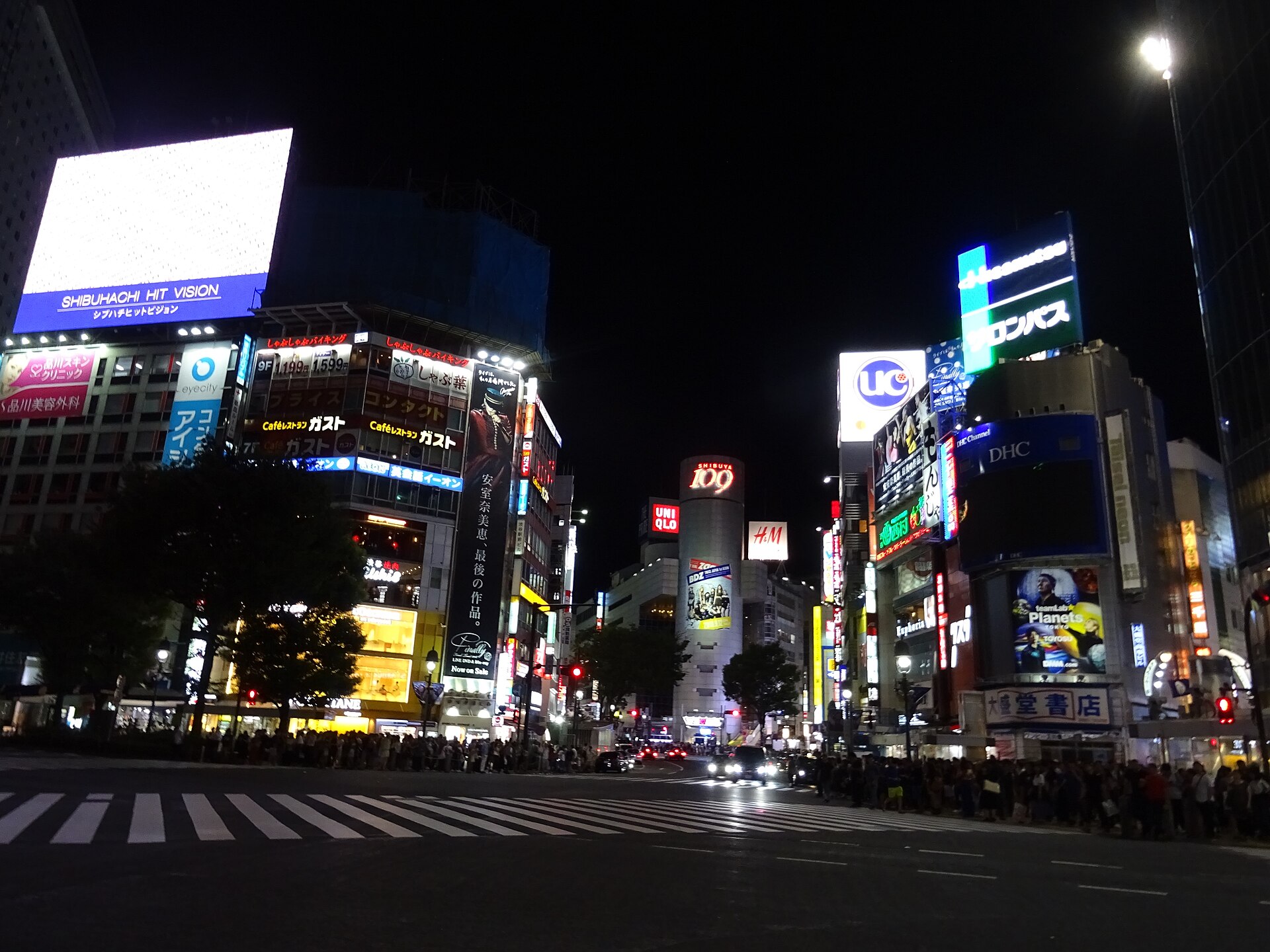
Warmer and more humid conditions make tightly packed walking days less attractive. Tokyo still works, but the plan benefits from more indoor depth, shorter outdoor stretches and fewer unnecessary cross-city transfers. The city has enough food, museums, design and evening life to support a different rhythm.
Winter can suit culture-led travellers
A cooler-season Tokyo trip can be a strong fit when you value museums, food, shopping, architecture and neighbourhood depth over long outdoor days. Shorter daylight changes the structure, but the city remains highly usable because so much of the experience is urban and transit-supported.
Choose the season that protects your preferred pace
If your ideal Tokyo means long days on foot, favour milder periods. If your priority is food, culture and urban variety, your window can be wider. The useful question is not 'When is Tokyo best?' but 'When does Tokyo best support the way I want to travel?'