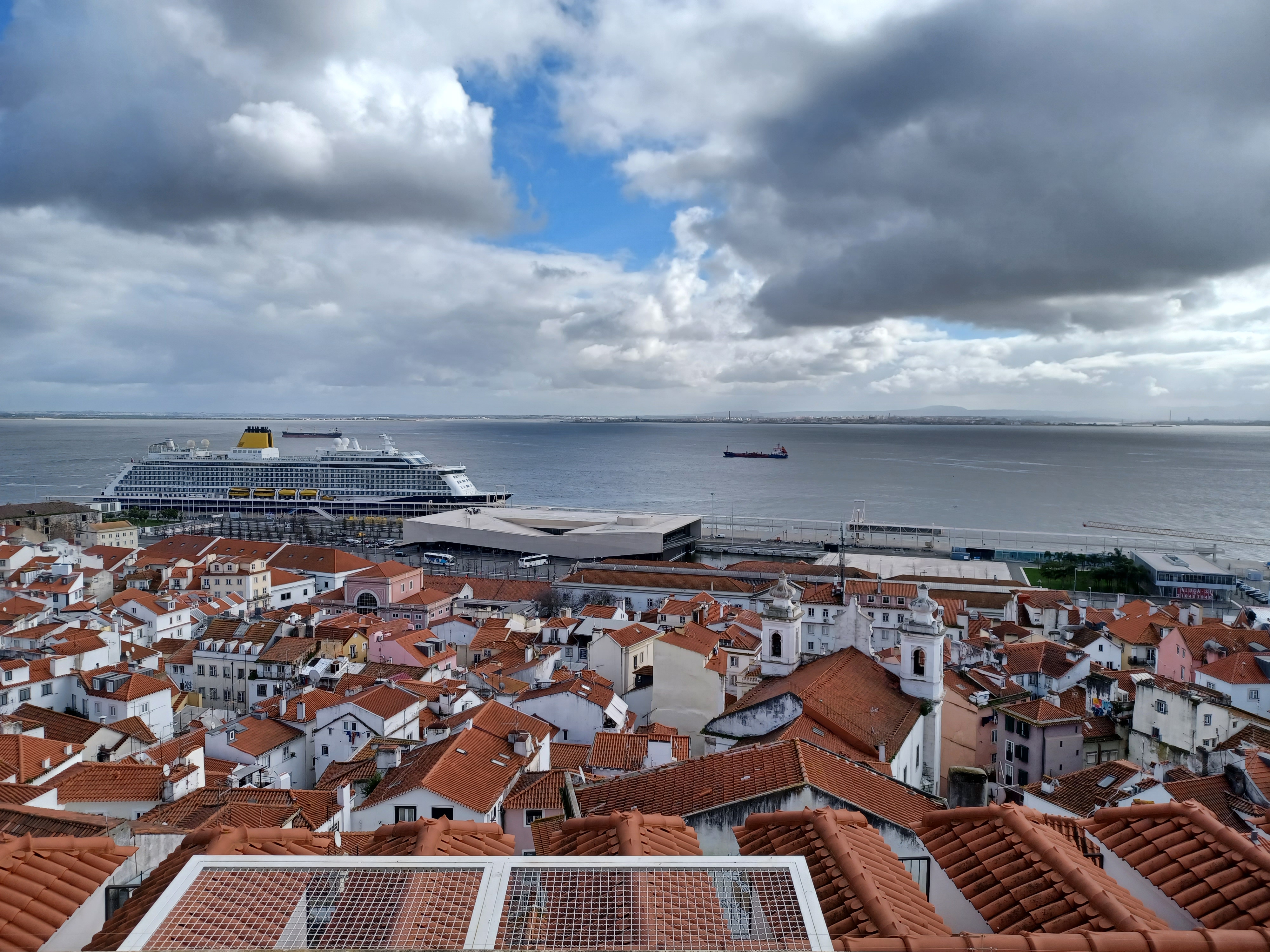
A day trip from Lisbon should earn the day it takes away from Lisbon.
That sounds obvious, but many first trips quietly lose half their city time to a list of famous excursions. Sintra, Cascais, Évora, Óbidos and Arrábida are not interchangeable add-ons. They create completely different days, with very different transport friction and very different reasons for leaving the city.
OREVYON would choose the day trip only after deciding what the trip is missing.
The short answer
- Sintra — choose it for palaces, romantic landscape and a full change of atmosphere; it needs the most planning.
- Cascais — choose it for the easiest low-friction coast day and a break from Lisbon's hills.
- Évora — choose it when you want a genuinely different historic city and are willing to give the excursion a longer day.
- Óbidos — choose it for a compact medieval setting, walls and a slower small-town change of scale.
- Arrábida / Setúbal — choose it for coast, nature, food and wine; it has the highest transport friction of this shortlist without a car, transfer or tour.
- No day trip — often the right answer on a short first visit when Lisbon itself still has more value than another destination.
Sintra · The day trip that changes the world around you
Explore destination →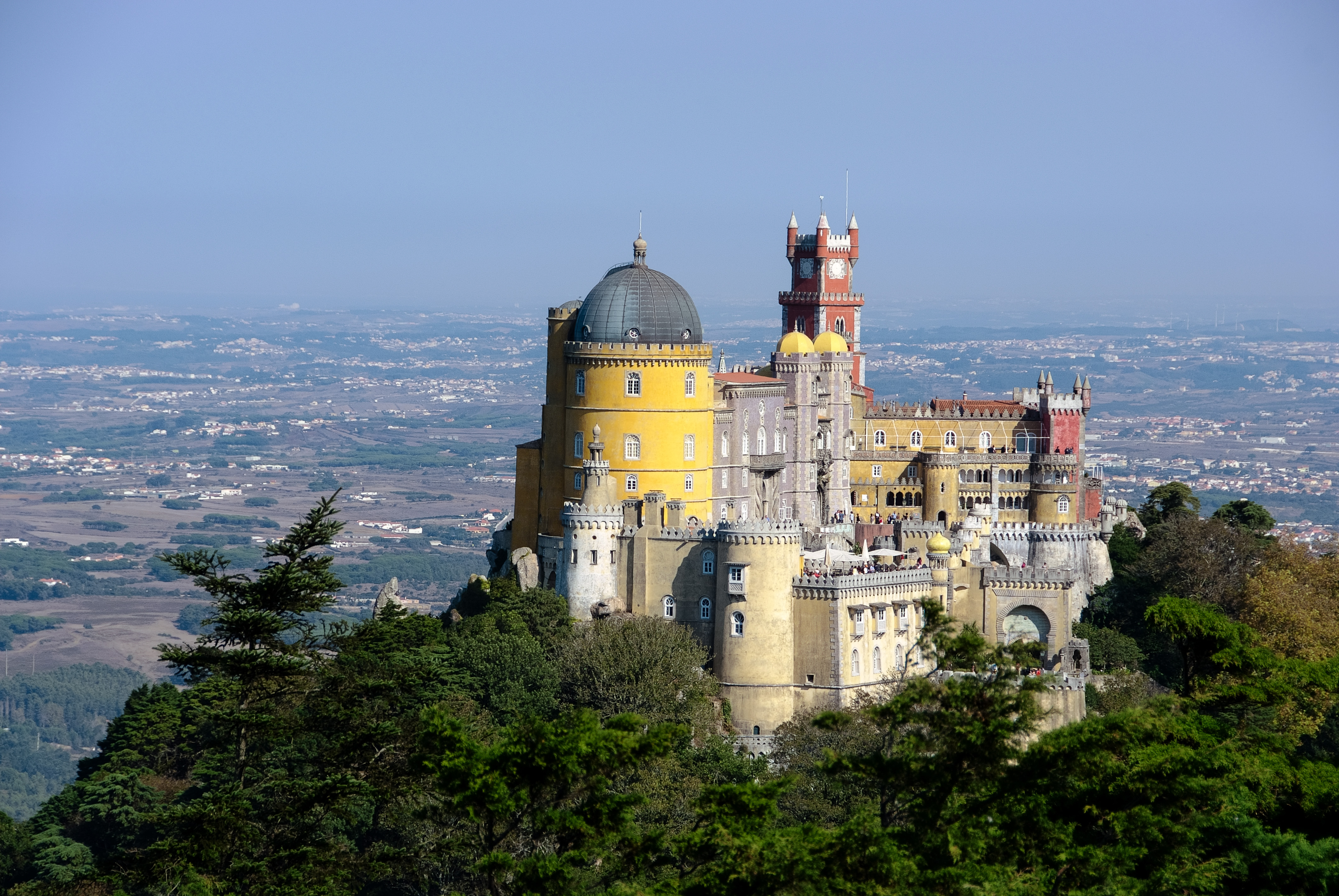
Sintra is the obvious excursion for a reason. It does not feel like another Lisbon neighbourhood. Palaces, wooded hills and the cultural landscape create an entirely different visual and emotional register.
It is also the excursion most likely to punish lazy planning. CP connects central Lisbon to Sintra by urban train, but the monuments are spread through steep terrain. Pena Palace requires a specific time slot for the interior, there is no delay tolerance, and the official guidance asks visitors to budget roughly 30 minutes between the park entrance and the palace interior.
That means Sintra works best when you stop trying to 'do Sintra' and choose a shape for the day. One major palace plus the historic centre and perhaps one second meaningful stop is usually more coherent than racing between every famous gate.
architecture, gardens, romantic atmosphere and travellers who want the greatest contrast with Lisbon.
timed entry, hills and movement between monuments.
you only have three days in Lisbon and neighbourhood depth matters more to you than palace coverage.
the strongest classic excursion — but only when you are willing to give it the whole day.
Cascais · The easiest reset from the city
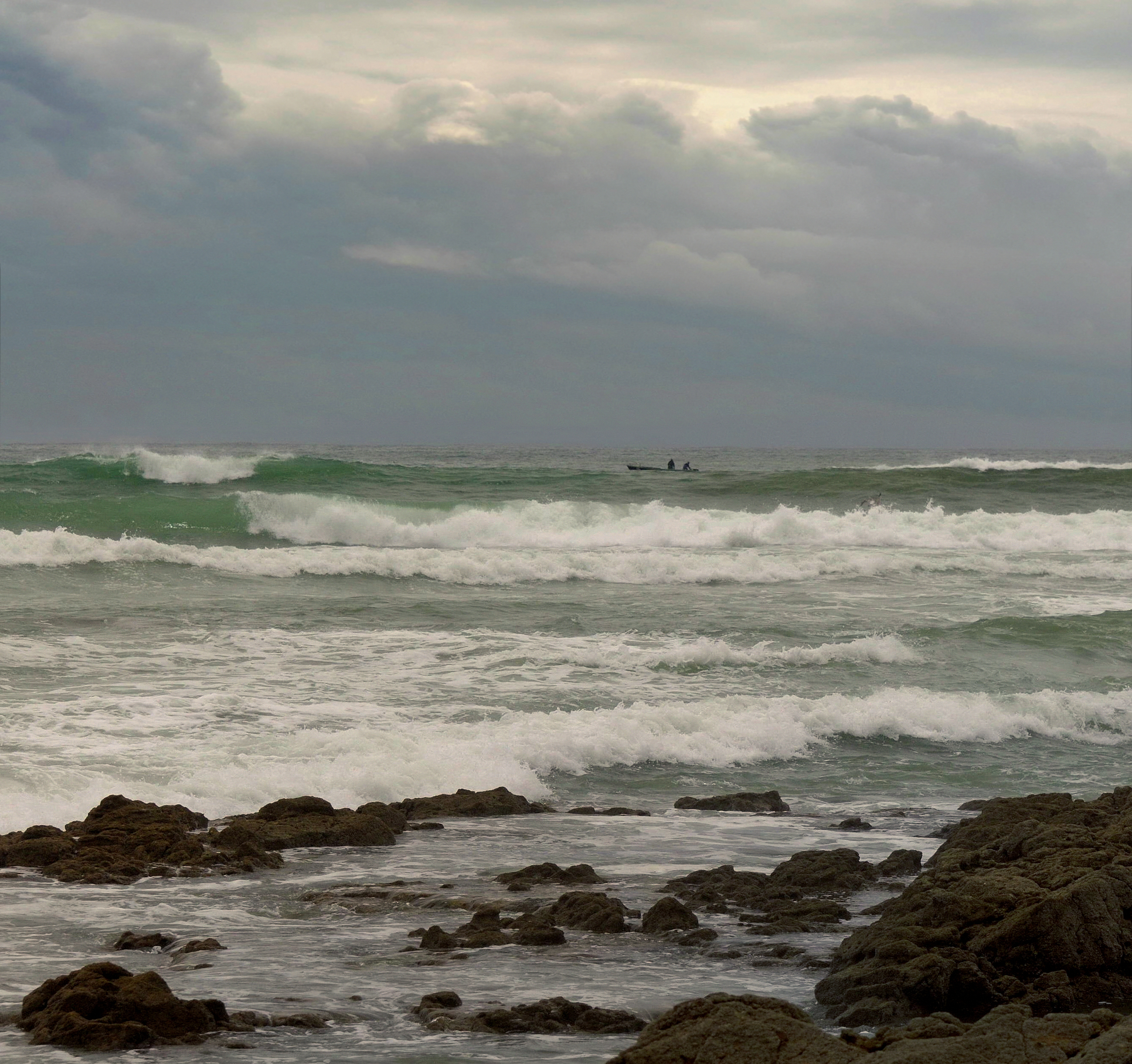
Cascais asks much less of the traveller. The coastal train leaves from Cais do Sodré and follows the Tagus and Estoril coast toward Cascais, so the journey itself fits naturally into a car-free Lisbon trip.
The reward is not monumental intensity. It is a different rhythm: sea air, coastline, a compact centre, lunch without a hill itinerary and the possibility of letting the day stay deliberately light.
That makes Cascais particularly strong when Lisbon is already giving you enough museums, architecture and historic streets. The day trip adds space rather than more heritage density.
coast, an easy rail day, slower pacing and travellers who want relief from city intensity.
low compared with the rest of this shortlist.
you want the day trip to deliver a major cultural contrast rather than a change of pace.
the best low-friction extension, especially when the trip needs breathing room.
Évora · Leave Lisbon for another real city
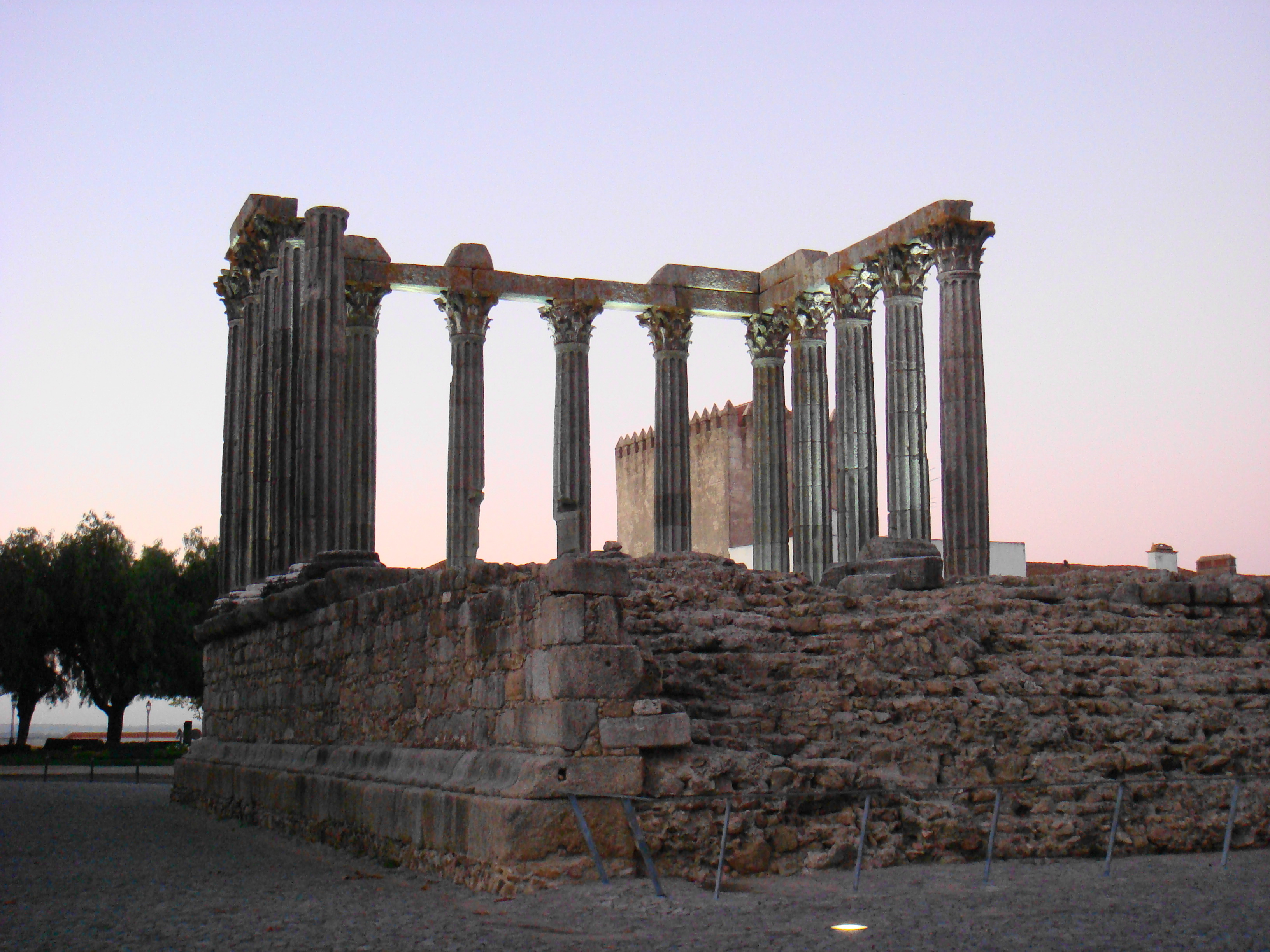
Évora is not a satellite attraction. It is a destination in its own right: a walled Alentejo city with Roman, medieval and later layers, recognised as UNESCO World Heritage.
CP explicitly promotes Évora as a train excursion and notes that the station is about one kilometre from Praça do Giraldo. The trade-off is time: compared with Cascais or Sintra, you are committing more of the day to getting there and back.
That extra distance is worth it when the purpose is contrast. Évora gives you another Portuguese city, another landscape and another food culture. It is less convincing when you are simply looking for one more photogenic place to insert into a short Lisbon itinerary.
heritage, Roman history, Alentejo food and travellers who want a complete change of city.
a longer excursion and more commitment than Sintra or Cascais.
the trip is short enough that losing a full Lisbon day will feel expensive.
choose Évora because you want Évora, not because you need to fill a day outside Lisbon.
Óbidos · A compact medieval change of scale
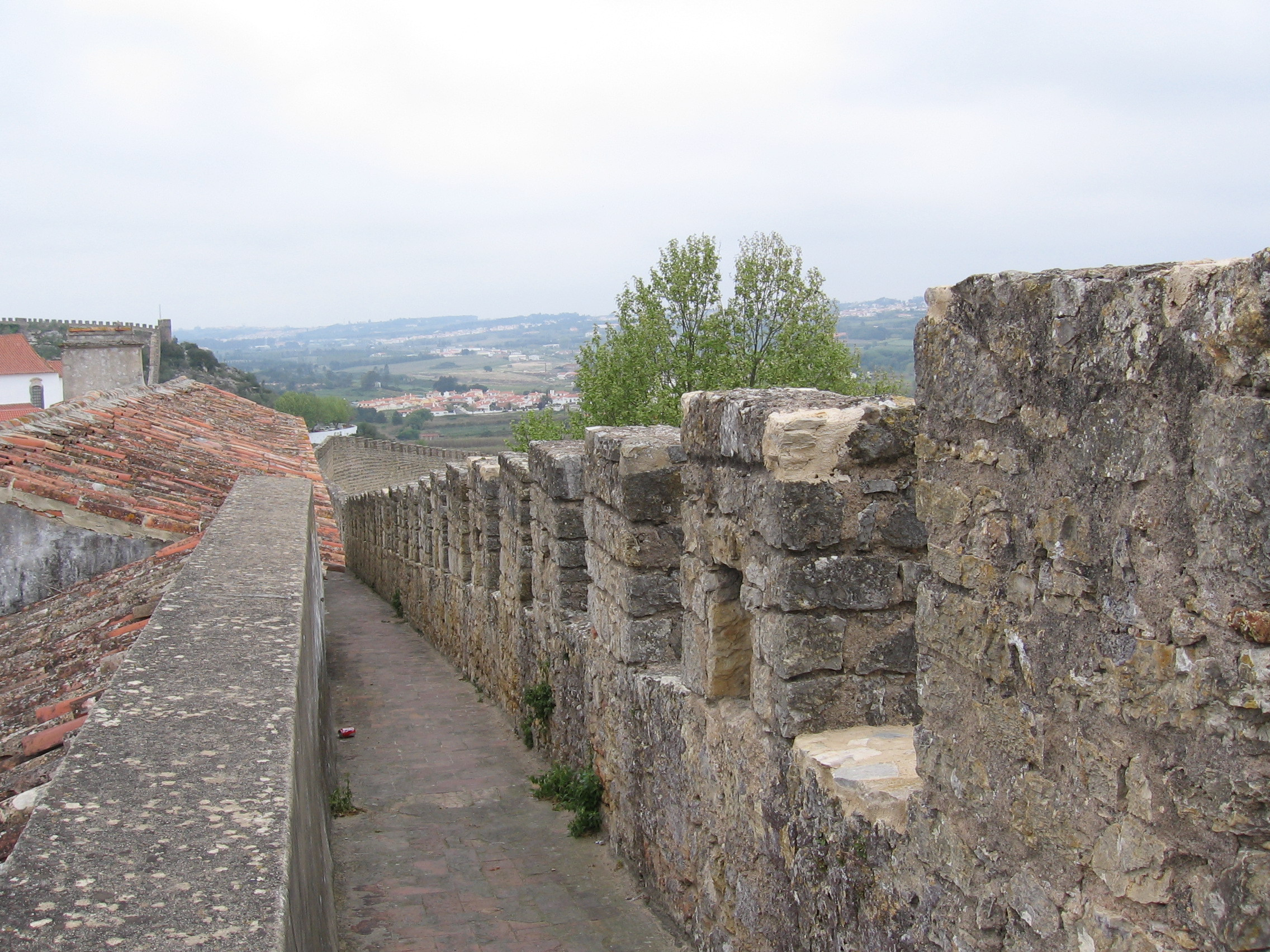
Óbidos offers the opposite of Évora's urban depth. Inside its medieval walls, the experience is compact: castle, narrow streets, white houses and a small historic core that can be explored without constructing a complex itinerary.
Official tourism information notes that the railway station sits outside the walls below the castle hillside. That detail captures the wider trade-off: Óbidos is visually simple once you arrive, but the transport fit is less frictionless than the direct urban-rail logic of Cascais or Sintra.
It works best for travellers who want a slower, picturesque historical day and are happy to let lunch, wandering and the walls be the experience. If you need a long list of major institutions to justify a day trip, Óbidos may feel too small.
medieval atmosphere, photography, a romantic small-town day and travellers who enjoy wandering without a schedule.
less seamless transport logic than Cascais or Sintra.
you need high cultural density or a very full day of major sights.
strongest when the smaller scale is the reason for going.
Arrábida / Setúbal · The nature day, with a logistics price
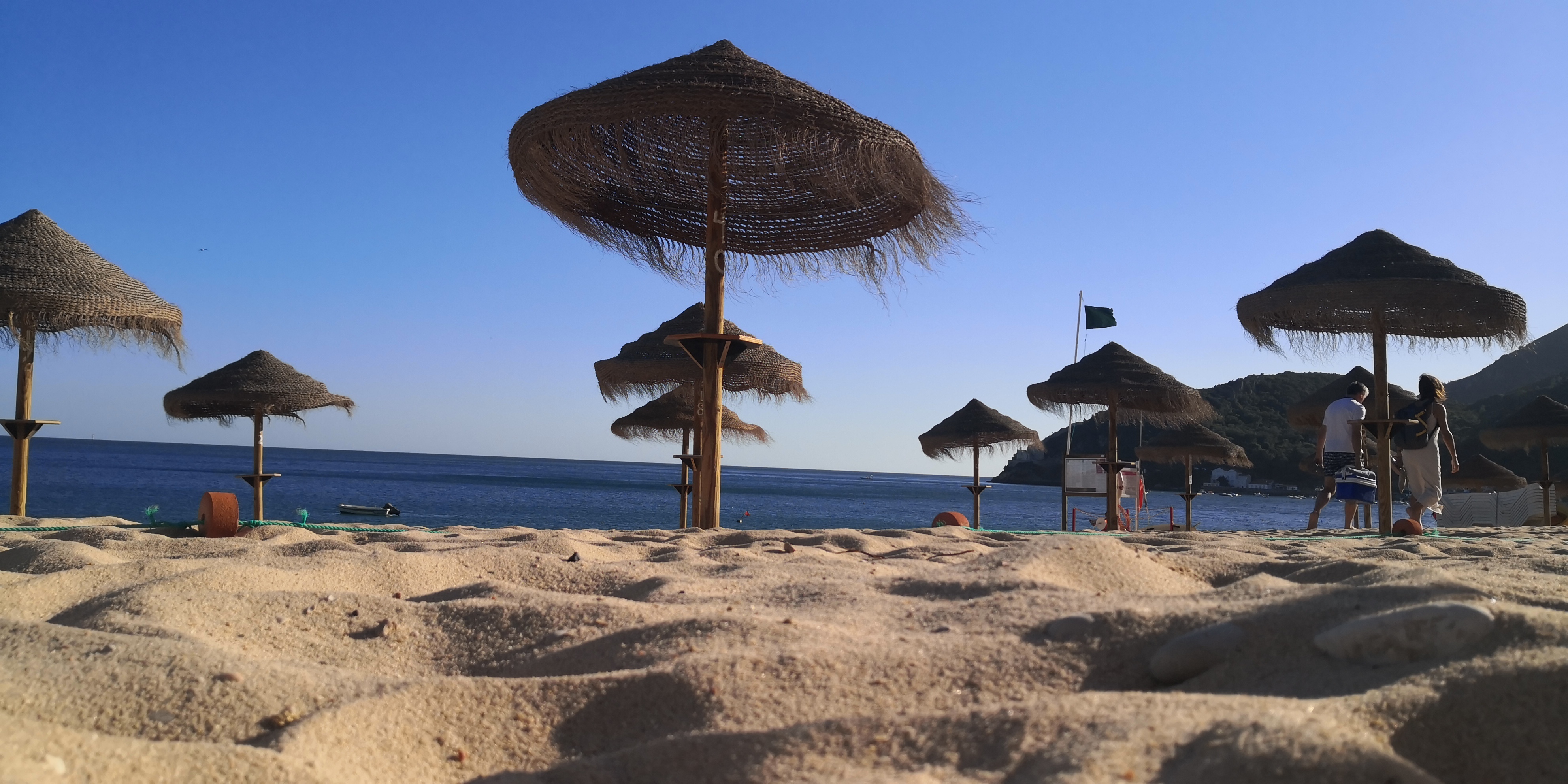
Arrábida changes the trip more dramatically than its distance from Lisbon suggests. The region combines green hills, beaches, Sesimbra, Palmela, Setúbal, Azeitão, wineries and the Sado landscape.
The challenge is that the experience is geographically spread. Unlike Cascais or central Sintra, the best version of Arrábida is not built around one obvious station and a compact walking radius.
OREVYON would therefore treat this as the excursion where a car, private transfer or well-designed tour can genuinely reduce friction. That does not make it inferior; it simply means its transport logic is different from a rail-led day trip.
nature, beaches, wine, seafood and travellers wanting the biggest landscape shift.
the highest transport complexity on this shortlist without dedicated transport.
you want a completely spontaneous self-guided day using only simple rail connections.
excellent when nature is the priority and you solve the movement before the day begins.
How many day trips should you take?
The answer should depend on the length of the Lisbon stay, not on how many excursions appear in a search result.
- 3 nights / roughly 3 usable days — usually keep all three in Lisbon, unless Sintra is one of the main reasons for the trip.
- 4 nights — one day trip can work well; choose the one that adds the missing mode of travel.
- 5 nights — one strong day trip fits comfortably, and a second can work if the traveller actively wants both city and region.
- 6+ nights — the wider Lisbon region starts becoming part of the trip rather than an interruption to it.
Choose by what Lisbon is missing
- You want palaces and a romantic landscape → Sintra.
- You want sea, an easy train and a lighter day → Cascais.
- You want another historic city and Alentejo depth → Évora.
- You want a compact medieval town → Óbidos.
- You want nature, beaches, wine and seafood → Arrábida / Setúbal.
- You still want more Alfama, Príncipe Real, Belém, Estrela or evenings in Lisbon → do not leave yet.
The OREVYON read
Sintra is the most transformative classic choice. Cascais is the easiest. Évora is the deepest cultural contrast. Óbidos is the most compact. Arrábida is the strongest nature shift and the most transport-sensitive.
But the best day trip from Lisbon is not the place with the longest list of attractions. It is the place that adds something your Lisbon trip does not already have — and earns the day you give it.