
Madeira does not really have one best season. It has several versions of the island — and they can exist on the same day.
The south coast may be bright while the mountains sit inside cloud. Funchal can feel springlike while a high trail is cold and wind-exposed. A summer trip may be better for swimming; a spring trip may be better for flowers and long walks; winter may give you quiet nature but less certainty in the mountains.
OREVYON would therefore choose the month according to the Madeira you want, not according to one average temperature.
The short answer
- March–May → strongest for flowers, green landscapes, walking and a softer outdoor climate.
- June–August → strongest for swimming, long evenings, dry coastal weather and the liveliest island rhythm.
- September → one of the best all-round compromise months: warm sea, summer residue and a slightly softer pace.
- October → still mild and attractive, but rainfall begins returning more clearly.
- November–February → mild coastal escape, culture and quieter nature; less reliable for high-mountain plans.
- Late April / May → particularly distinctive if the Flower Festival is part of the reason for travelling.
- December / New Year → choose it for Funchal's festive atmosphere as much as for winter sun.
First understand the microclimates
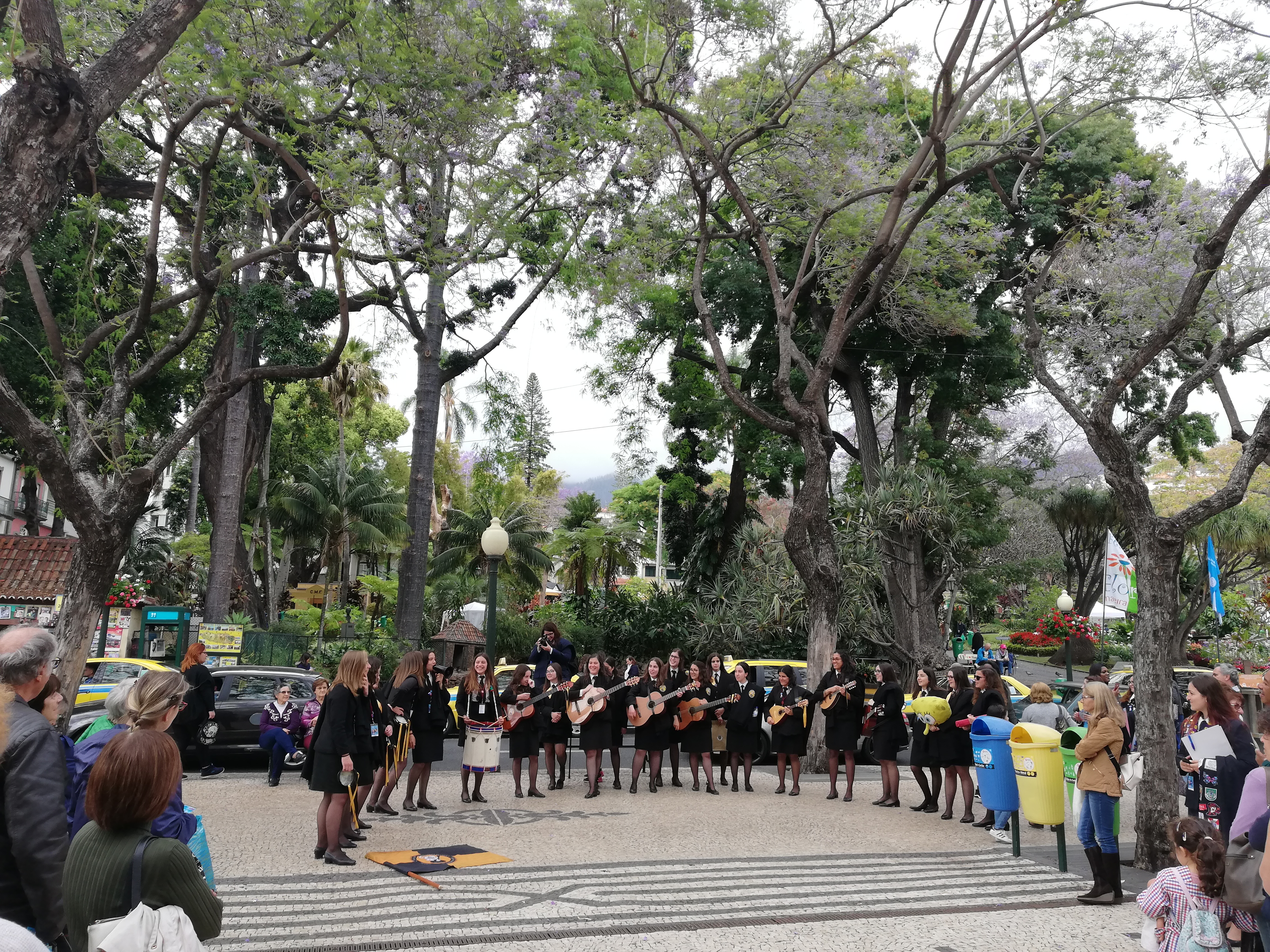
Madeira's weather is not one island-wide forecast. Visit Madeira explicitly describes significant microclimates created by the mountainous terrain: the south is generally warmer and drier, while the north and higher zones are more exposed to wind, rain, fog and cooler conditions.
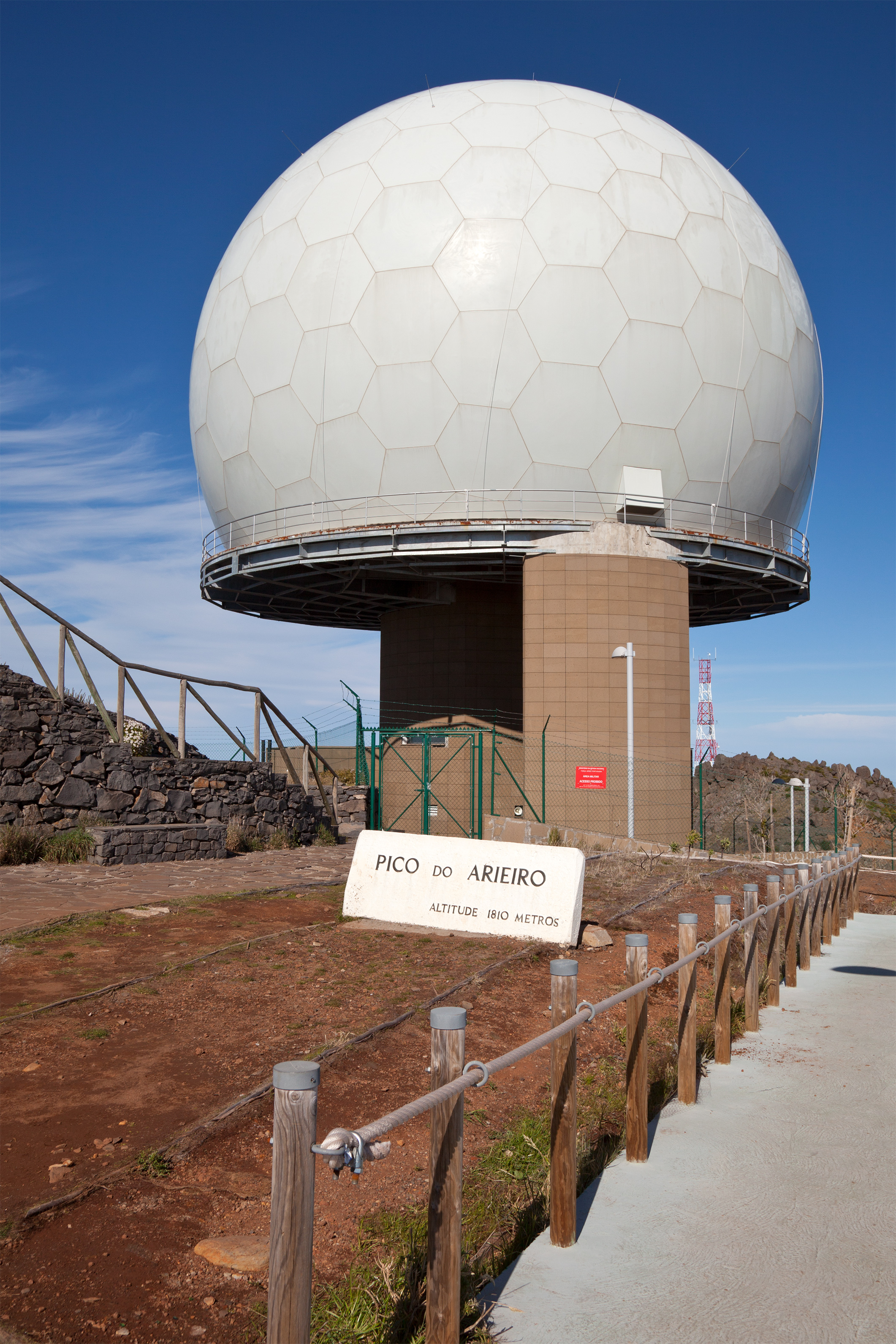
That changes how you should plan. A cloudy morning in Funchal does not automatically mean a lost day. Equally, a sunny coast forecast does not guarantee visibility at Pico do Areeiro.
The practical rule is simple: check coast and mountain conditions separately, then let the day's geography move if necessary.
March to May · Flowers, green landscapes and walking
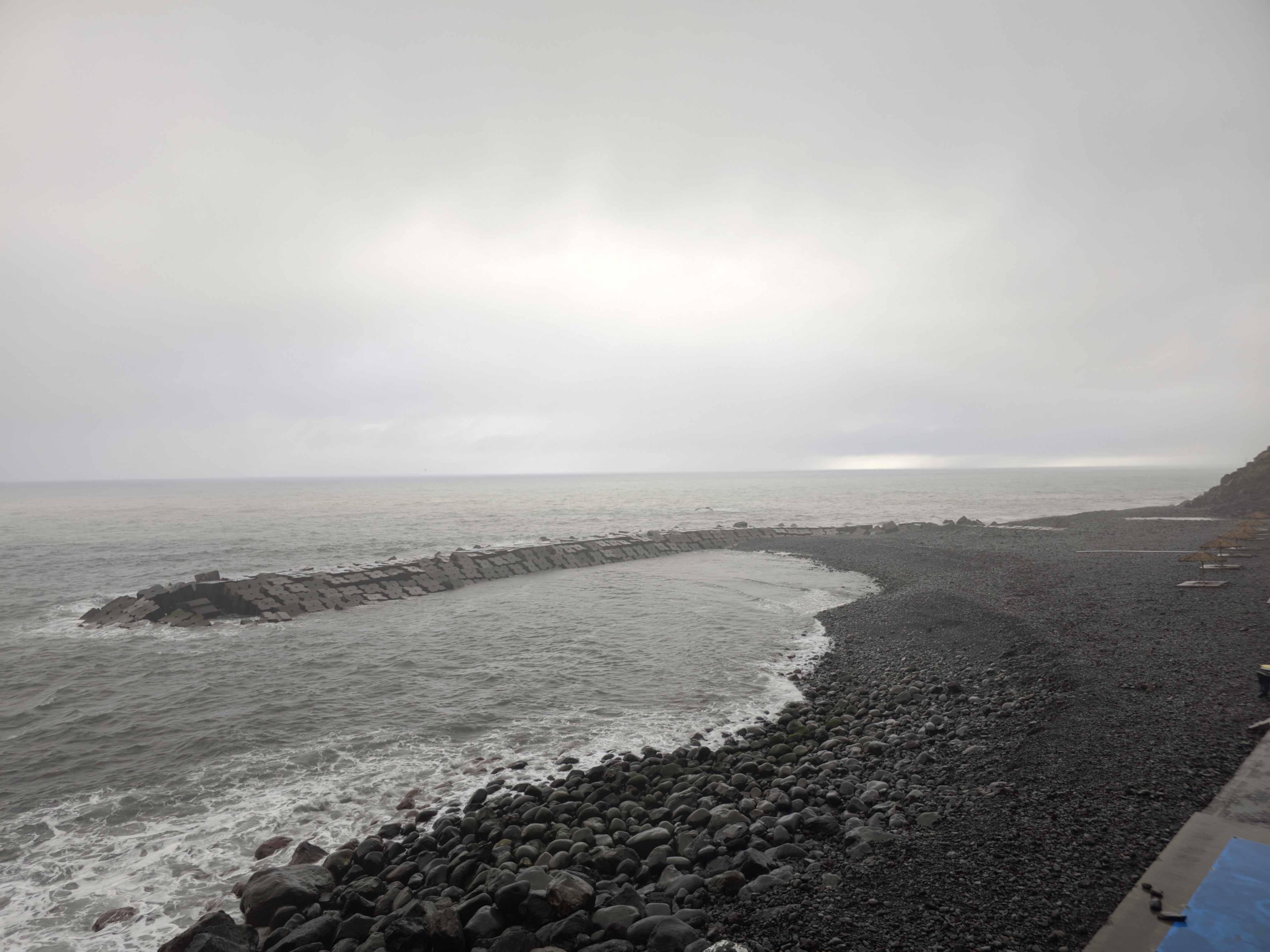
Spring is one of Madeira's strongest all-round seasons for travellers who want nature to dominate the trip.
Visit Madeira highlights March to May for flowers, lush vegetation, walking and photography. In Funchal, IPMA's 1991–2020 climate normal shows average daily maxima rising from 20.6°C in March to 22.0°C in May, while rainfall generally decreases toward early summer.
Late April and May add another layer: the Flower Festival transforms Funchal with floral installations, parades and events. Exact dates change annually, so treat the festival as a deliberate travel reason and verify the current programme before booking.
walkers, gardens, photography, first trips and travellers who dislike stronger summer heat.
mountain weather can still be variable; do not assume every high trail will be clear.
spring is the strongest choice when Madeira's vegetation is the main character.
June to August · Sea, long evenings and the driest Funchal climate
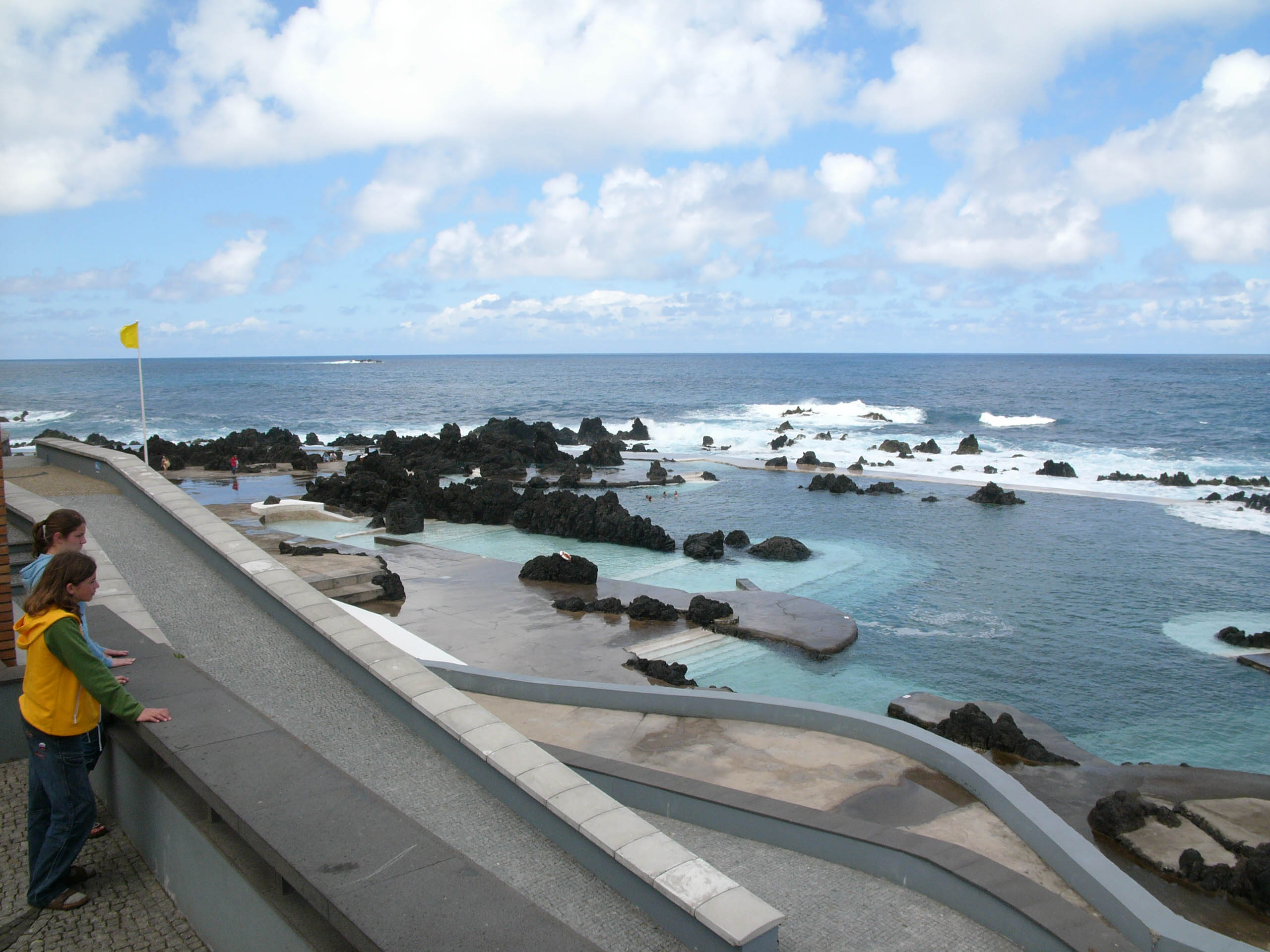
Summer is the clearest season when the coast becomes part of the daily rhythm rather than an occasional addition.
IPMA's Funchal normal gives average daily maxima of 23.7°C in June, 25.4°C in July and 26.8°C in August. Average rainfall falls to 7.8 mm in June, 1.7 mm in July and 1.3 mm in August.
Visit Madeira also notes that altitude continues to create cooler mountain environments, so a summer trip can move between swimming weather and much fresher hiking conditions in the same day.
The sea is warmest around this part of the year, with Visit Madeira giving a rough summer water temperature around 24°C.
swimming, natural pools, terraces, long light, coast-heavy trips.
livelier season and less of the quiet, misty Madeira some travellers specifically want.
choose summer when the ocean deserves equal status with the mountains.
September · The strongest compromise month
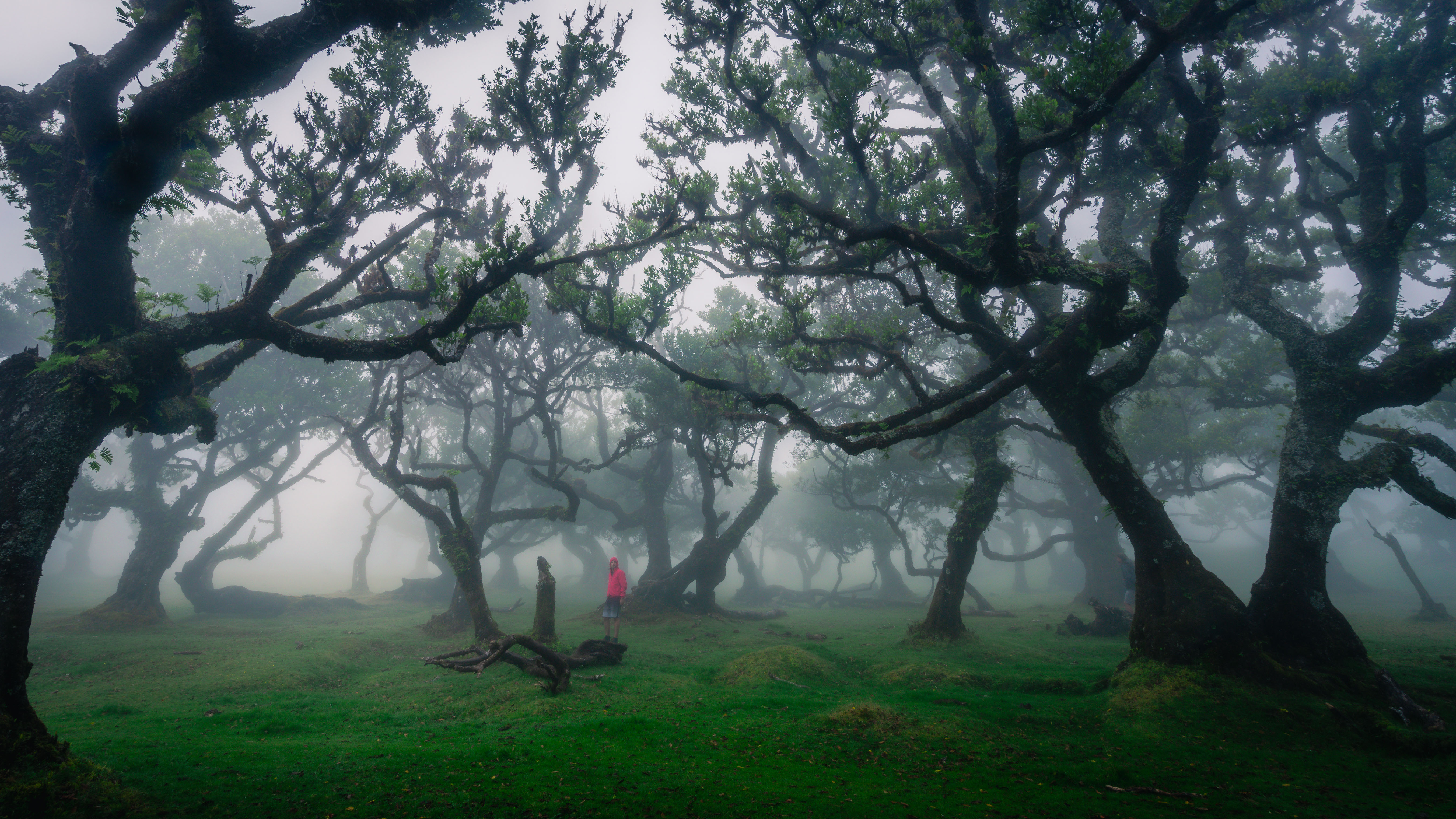
September is one of the easiest months to recommend when the traveller wants a little of everything.
Funchal's 1991–2020 normal still gives an average daily maximum of 26.6°C in September, while average precipitation remains much lower than October. The sea still carries summer warmth and the island begins shifting into harvest season.
That makes September strong for mixed trips: hiking, coast, food, wine and evenings without designing the entire day around peak summer.
first trips, mixed nature + sea, couples and travellers who want warm conditions without making summer the point.
it is still a popular warm-weather period; do not equate shoulder season with empty.
perhaps the most balanced single month when you refuse to choose between Madeira's different modes.
October · Mild, atmospheric and less predictable
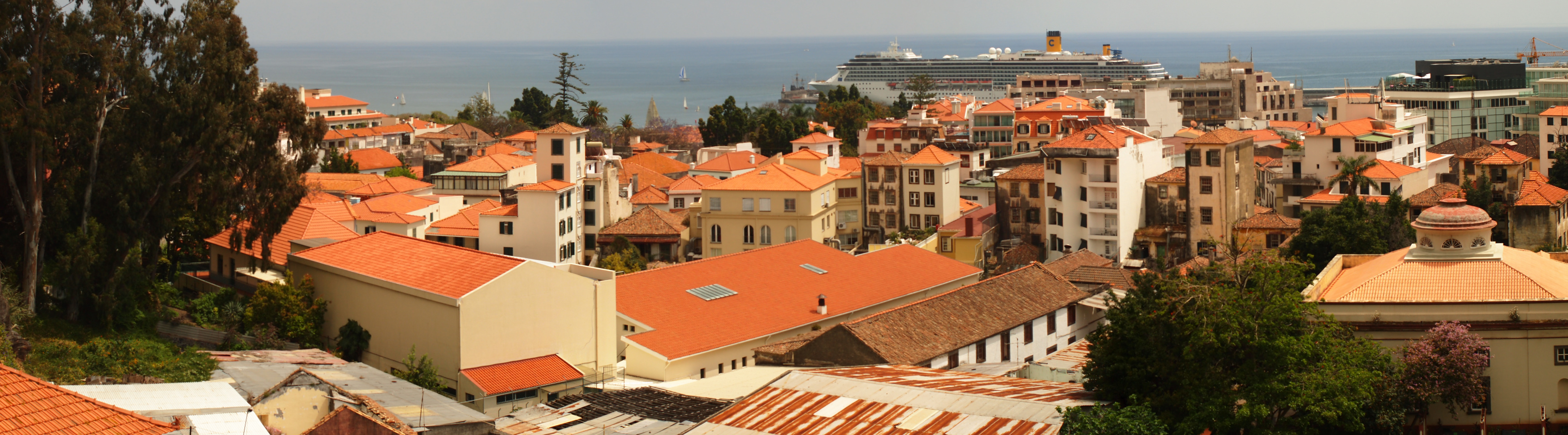
October does not suddenly become winter. Funchal's normal still shows an average daily maximum around 25.2°C.
But the rainfall pattern changes. IPMA's long-term average jumps from 23.1 mm in September to 91.2 mm in October in Funchal. That is a meaningful shift even though many pleasant days remain.
This is a good month for travellers who can let the itinerary move: forest when cloud makes it atmospheric, coast when the south clears, culture or food when the mountains close in.
flexible independent travellers, food, photography and varied island days.
more weather contingency than September.
October rewards people who plan options rather than fixed hours.
November to February · Madeira as a winter island, not a guaranteed summer substitute
Winter is where marketing shorthand can become misleading. Madeira is mild, but it is not one long August.
In Funchal, average daily maxima remain around 20°C in January and February according to IPMA. Rainfall is materially higher than in summer, and higher-altitude areas can be cooler, foggier and more exposed.
That can still make winter excellent. Funchal, restaurants, gardens, coastal walks and lower-level nature remain attractive, while many natural areas feel calmer outside holiday peaks.
December is a special case. The official 2026–27 Christmas and New Year programme runs through Funchal from 1 December into January, culminating in New Year's Eve celebrations and fireworks.
winter escape, Funchal, food, culture, slower nature and festive travel.
high mountains and hiking require more flexibility and live checks.
winter works best when you want Madeira, not when you demand guaranteed beach-and-peak conditions every day.
Hiking season is not the same as 'best weather'
Madeira can be walked in every season, but no season removes the need for live checks.
The official hiking portal marks classified trails as Open, Restricted or Closed. Wind, rain, fog, maintenance or safety conditions can change access independently of the month.
That means an evergreen rule such as 'May is best for PR1' is weaker than it sounds. Choose a season for the broader trip, then choose the actual trail from the routes that are open and suitable on the day.
Swimming and the ocean
Visit Madeira gives approximate sea temperatures from around 18°C in winter to 24°C in summer.
That makes the Atlantic usable across much of the year for many travellers, but the character changes. Summer makes swimming effortless enough to structure a day around it. Winter makes natural pools or sea time more dependent on personal tolerance and current conditions.
If ocean time is one of the main reasons for the trip, bias the dates toward summer and early autumn rather than treating all months as equivalent.
Choose Madeira by the trip you want
- Flowers + hiking + green landscapes → April / May.
- Sea + natural pools + long evenings → July / August.
- Best all-round compromise → September.
- Flexible nature + food + softer island rhythm → October.
- Winter sun + Funchal + culture → November to February.
- Festive Madeira → December / New Year.
- Mountain-focused trip → choose the broader season, but keep actual high-trail days flexible regardless of month.
The OREVYON read
Madeira is genuinely year-round, but that does not mean every month produces the same trip.
Spring makes the island greener and more floral. Summer gives the ocean a larger role. September balances almost everything. Autumn asks for flexibility. Winter shifts value toward Funchal, lower elevations and a slower rhythm.
Choose the version of Madeira first. The calendar follows.