
Istanbul is not a city where food belongs in a separate restaurant spreadsheet. Its culinary depth is part of how neighbourhoods feel and how a day moves. The strongest food-led plan mixes quick street food, markets and longer meals, then lets geography decide where each belongs.
Start with the foods that belong to the street

Official tourism material highlights staples such as simit, balık ekmek and kokoreç among Istanbul's street-food culture. Treat these as part of movement through the city rather than as formal restaurant appointments. A good street-food stop should make the day easier, not require crossing Istanbul for ten minutes of eating.
Use neighbourhoods as the organising unit
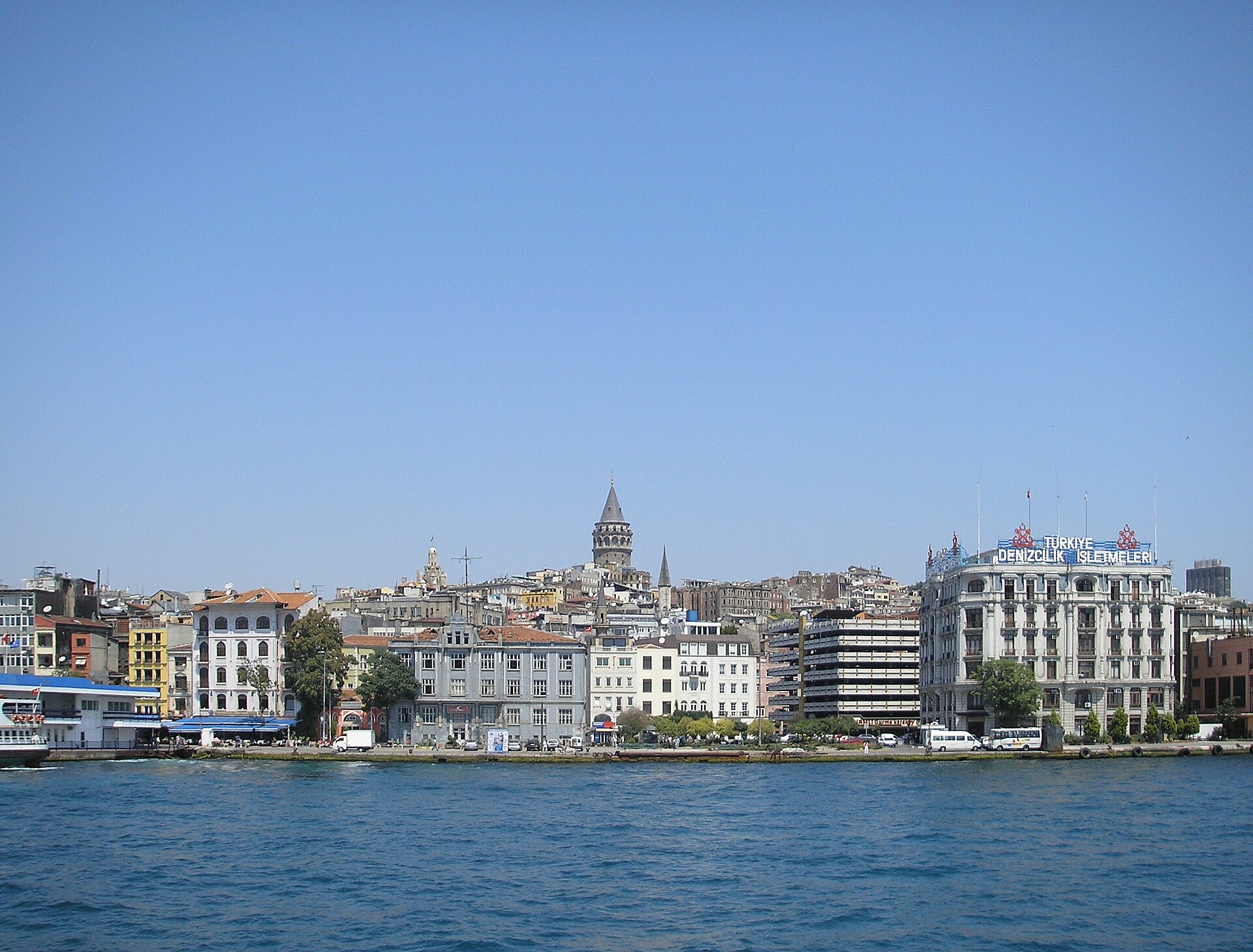
The city is too large for a greatest-hits food crawl that ignores distance. Eat where the day already has depth: around the historic peninsula when you are there, around Beyoğlu or Galata on an urban evening, and on the Asian side when you have crossed the Bosphorus. Repetition in one neighbourhood often reveals more than constant movement.
Leave room for meze and a slower dinner
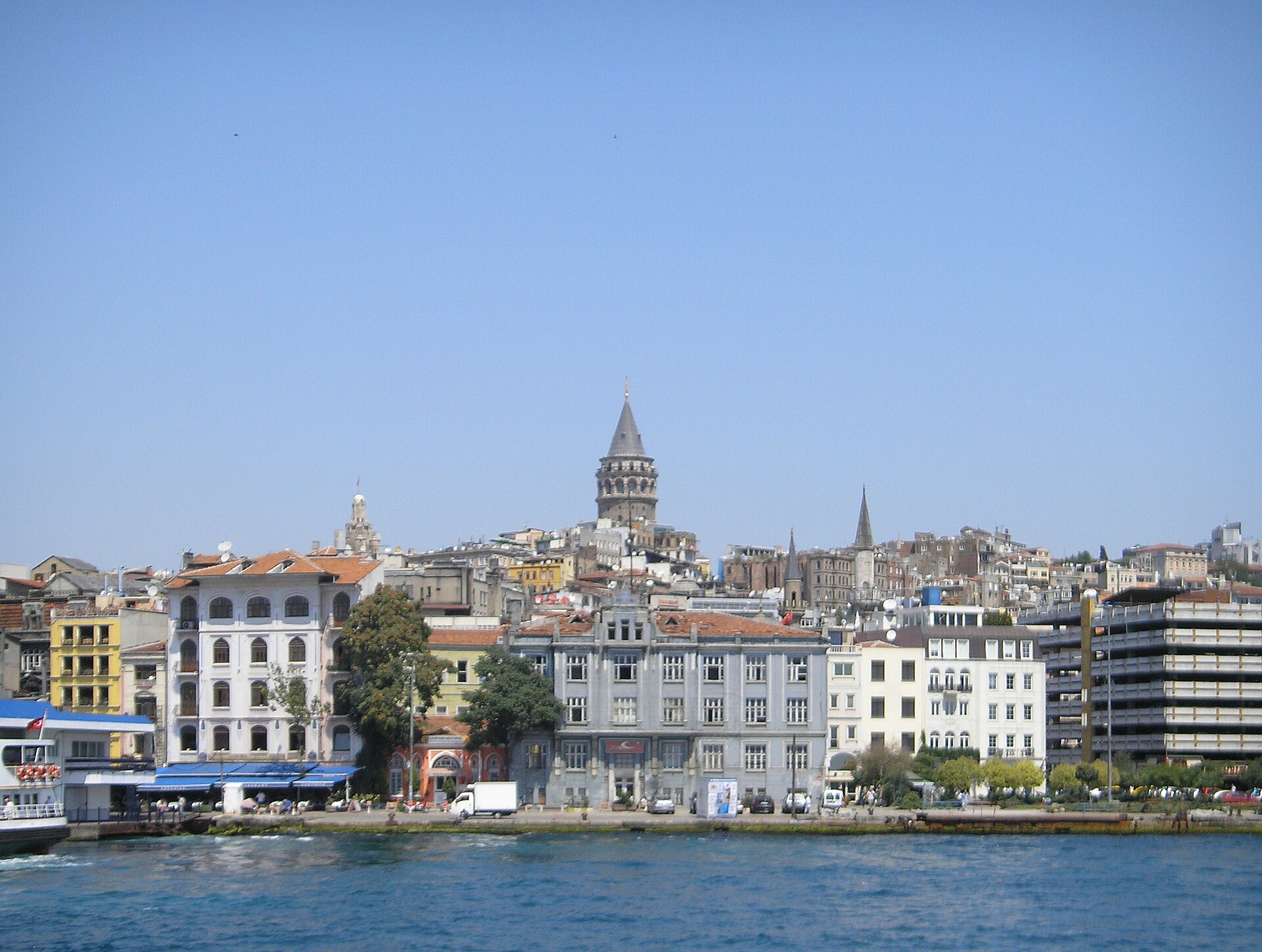
Not every meal should be fast. Build at least one evening around a slower sequence of small dishes and conversation rather than treating dinner as the final item after sightseeing. Istanbul's evening depth means the meal can be the structure of the night, not a pause before another attraction.
Mix planned addresses with spontaneous choices
Reserve only the meals that truly justify a fixed time. Keep others flexible enough to respond to where you are, how hungry you are and what the neighbourhood is offering. This reduces reservation burden and protects the sense that food is connected to the city rather than imported from a list.
The OREVYON rule: never let one table break the route
A famous recommendation is not automatically a good recommendation for your day. If a restaurant creates a long return trip across the city, compare its value with a strong local alternative near your existing route. Istanbul has enough food depth that the better journey often comes from choosing the right neighbourhood, not the most famous table.