
Alentejo changes dramatically with season because so much of the experience happens outdoors and across long distances. Spring and autumn are the strongest all-round periods for walking, wine, road trips and outdoor meals. Summer can work very well, but inland heat changes the rhythm and pushes more of the day toward mornings, pools, long lunches and evenings.
Spring and autumn are the strongest all-round windows
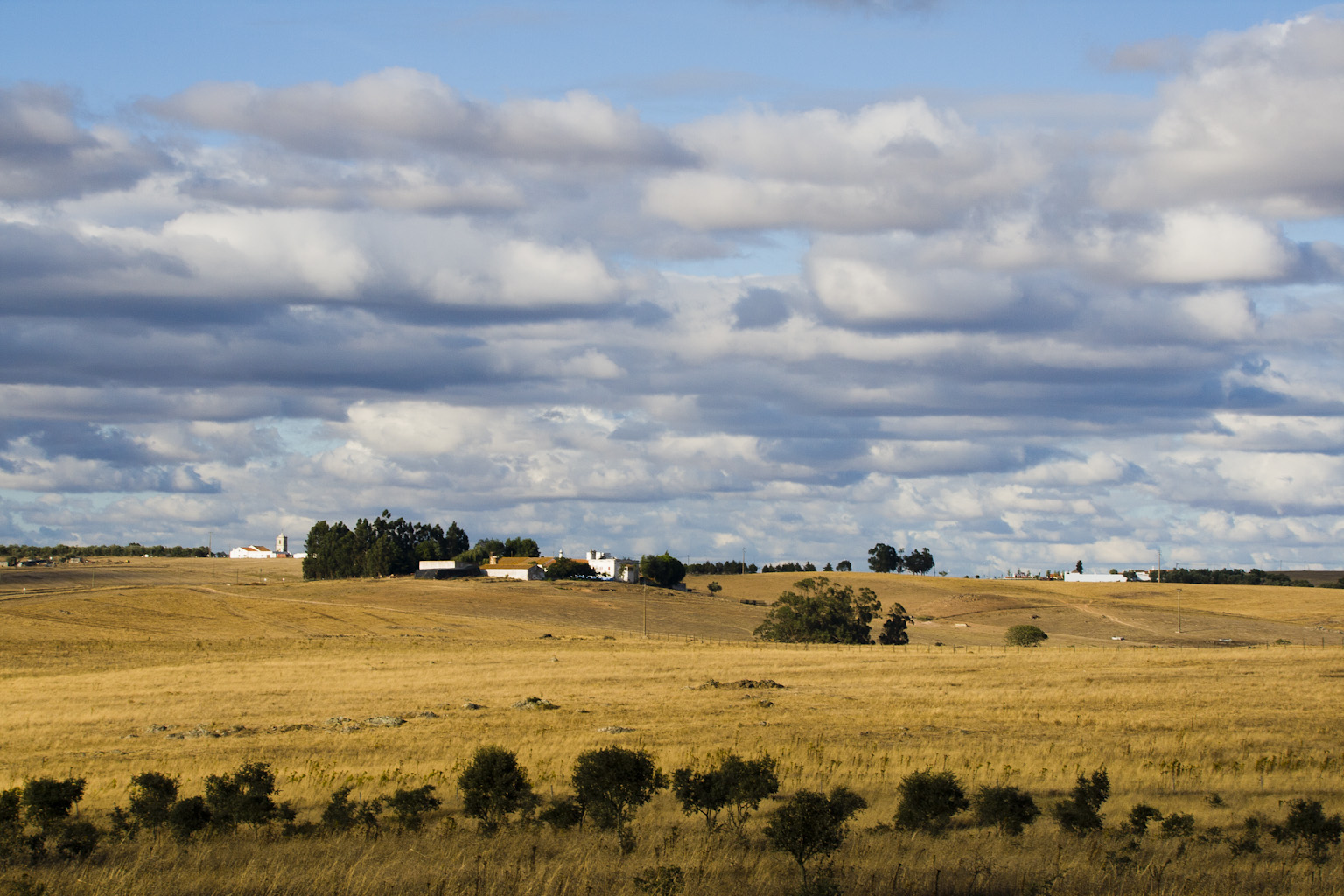
Softer temperatures make it easier to combine Évora, countryside, vineyards and hill towns without designing every day around heat. These seasons suit travellers who want movement, food and landscape to carry equal weight.
Summer works best when you accept a different day structure
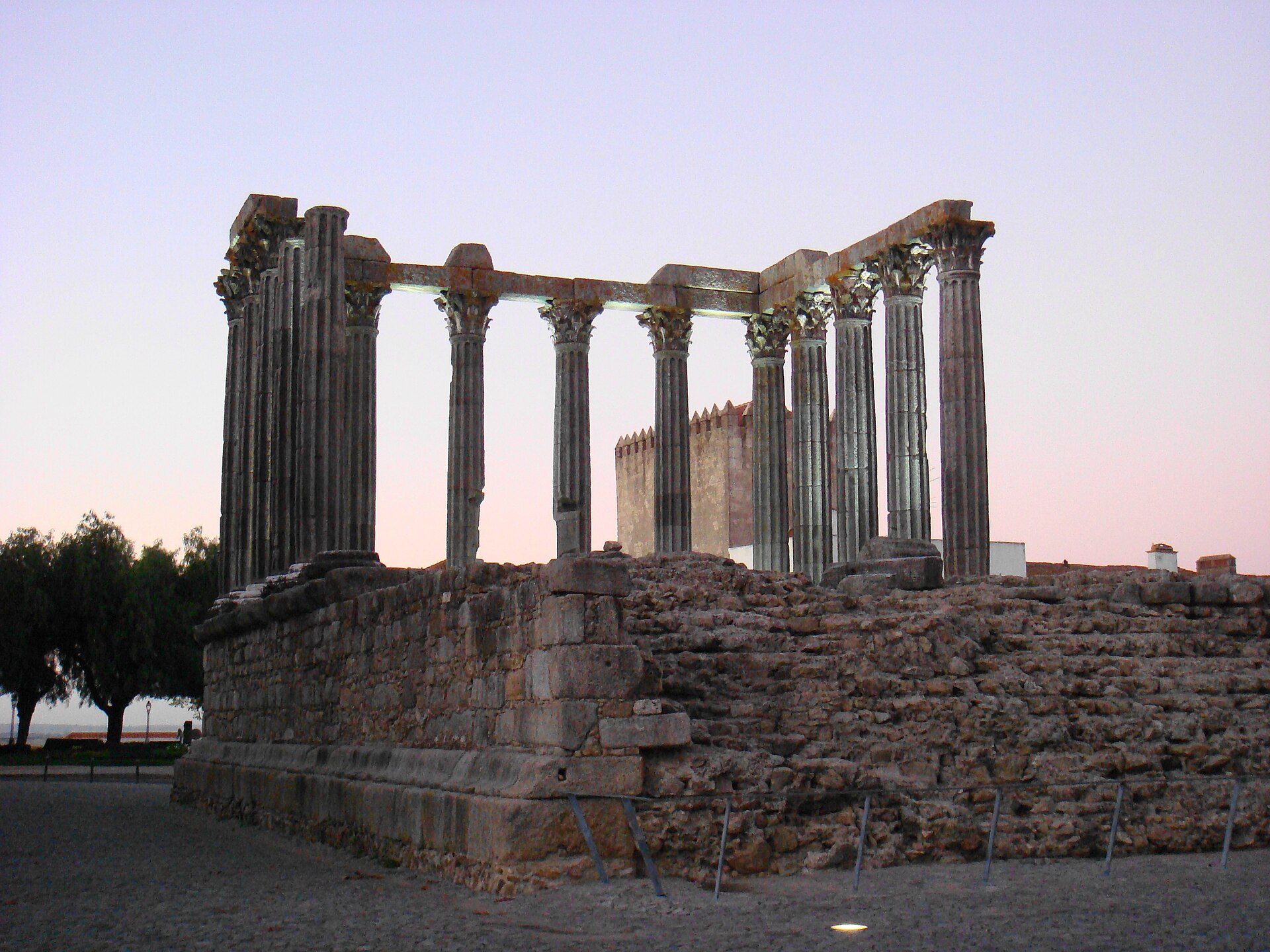
Hot inland afternoons are not a small detail. A strong summer itinerary starts earlier, protects the middle of the day and gives evenings more importance. The coast can become more attractive, but popular coastal towns also face higher seasonal pressure.
The coast and interior do not peak in exactly the same way
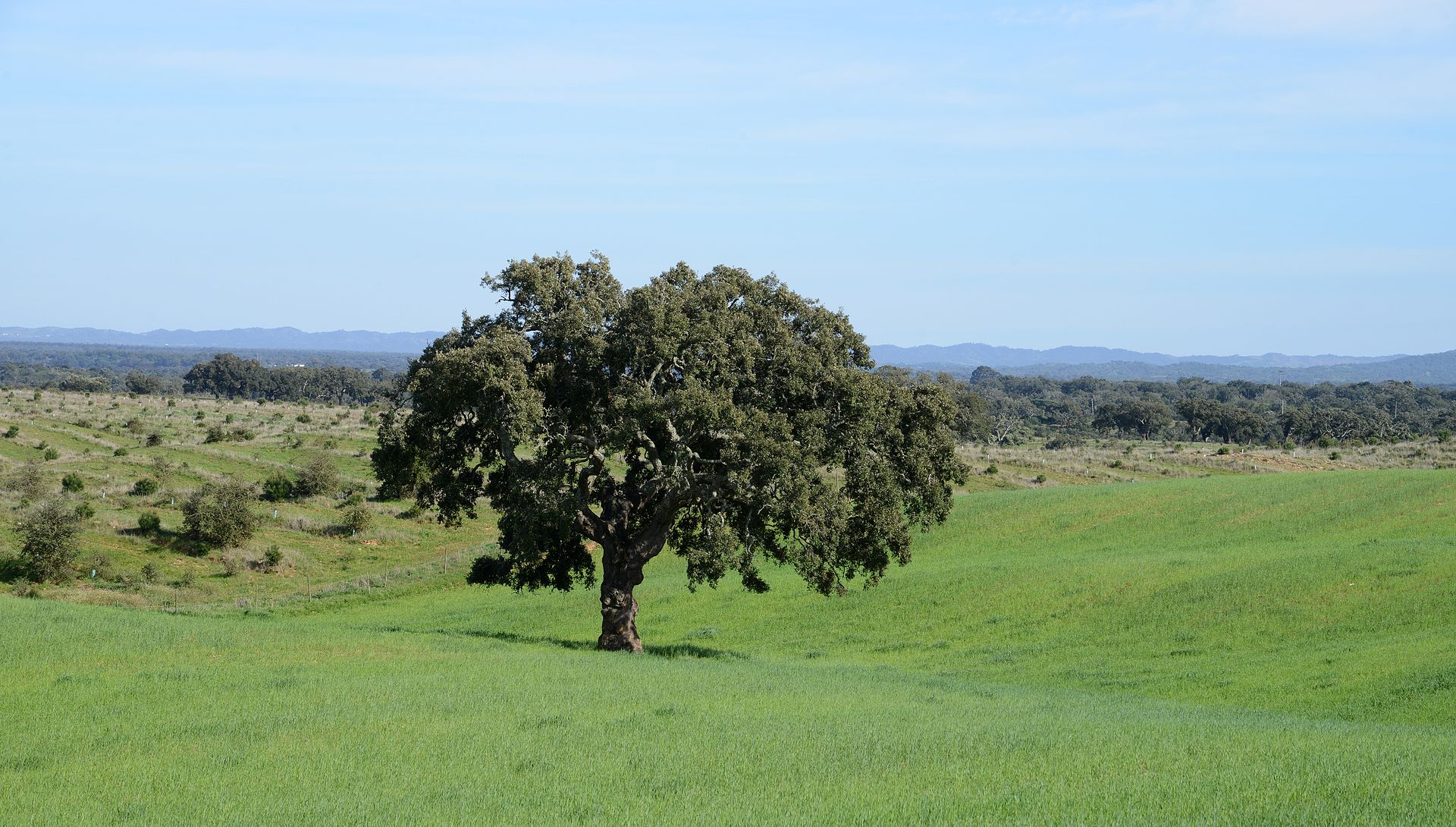
The Atlantic coast supports beach, walking and seafood-led days, while the interior is more about historic towns, wine, agricultural landscape and slower hotel time. Choose timing according to which chapter matters most rather than assuming one season optimises every part of the region.
Winter creates the quietest version of Alentejo
Winter shifts the emphasis away from outdoor living toward towns, food, landscape and calm. It can suit travellers who value atmosphere and lower visitor pressure more than pool days or long coastal afternoons.
Choose the season that protects your preferred pace
If the trip is about wine, walking and long countryside days, spring and autumn are the easiest fit. If the coast or summer pool rhythm is central, summer can be excellent with realistic heat planning. Alentejo is strongest when the season reinforces slowness instead of fighting it.