
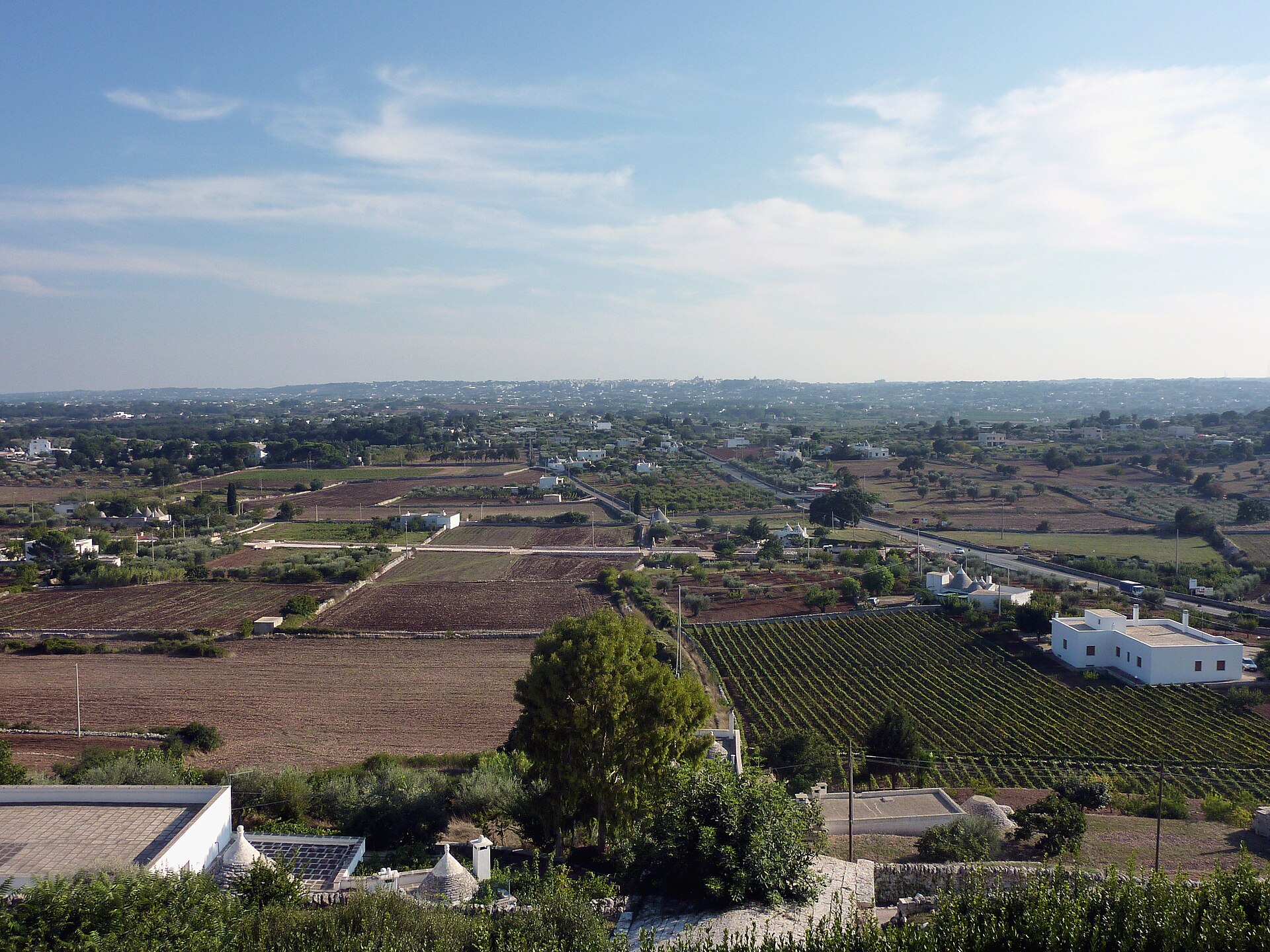
Valle d’Itria becomes more useful when timing is treated as a travel decision rather than a checklist. OREVYON reads this question through valle d’itria, locorotondo, alberobello, trulli, masseria, olive groves. Late spring and early autumn suit walking and outdoor meals; summer brings peak energy together with more heat and visitor pressure. The point is to choose a shape that can survive real days, changing energy and local friction instead of forcing every known highlight into the same itinerary.
Read Valle d’Itria by travel rhythm, not temperature alone
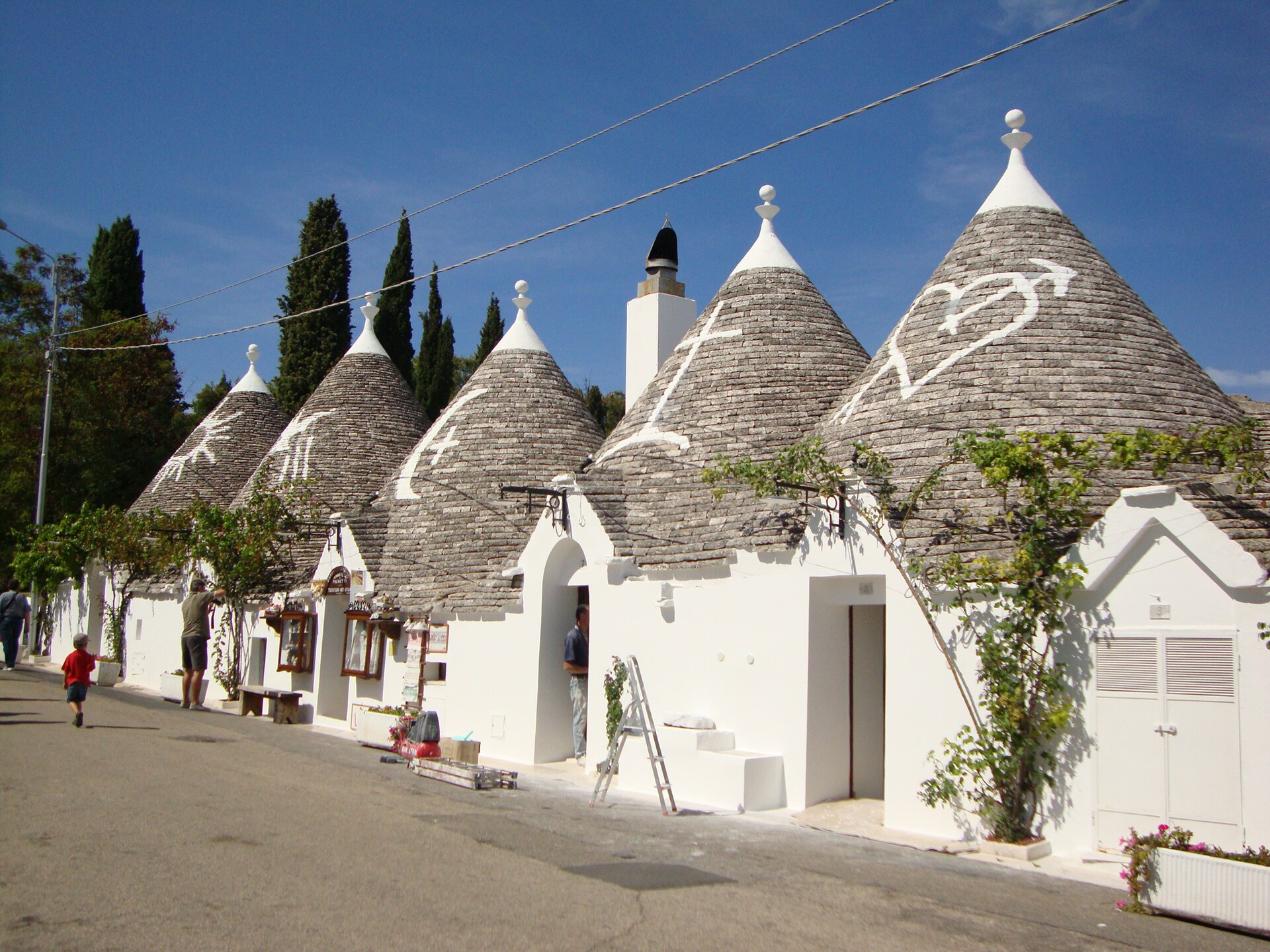
OREVYON treats Valle d’Itria as strongest when one base anchors a selective mix of white towns, countryside, food and short drives. That editorial reading matters because it gives the trip a centre of gravity. UNESCO describes the Trulli of Alberobello as dry-stone limestone dwellings with characteristic conical or domed roofs and the valley's highest concentration of preserved trulli. Read together, those signals suggest that Valle d’Itria works best when the traveller chooses what the day is for before choosing how many places to add. That is more useful than treating every famous stop as equally important.
Use Locorotondo to understand seasonal character
Late spring and early autumn suit walking and outdoor meals; summer brings peak energy together with more heat and visitor pressure. Crowd profile: Moderate overall, with much higher pressure in Alberobello and other famous towns at busy times. In practice, the decision should be made around the repeated parts of the trip: where mornings begin, how evenings feel, and how much movement a day can absorb. When locorotondo and alberobello pull in different directions, the route should make the trade-off visible rather than pretending both can always be maximised.
Let crowds and conditions change the day order

Italia.it describes Valle d’Itria through olive groves, vineyards, trulli and whitewashed villages across central Puglia. This is where fit matters more than generic popularity. The guide is designed for travellers who recognise themselves in OREVYON's fit signals, while people who want a different pace or lower friction should be able to see that early. Instead of hiding the compromise, the content should make it actionable.
Separate good weather from good trip fit

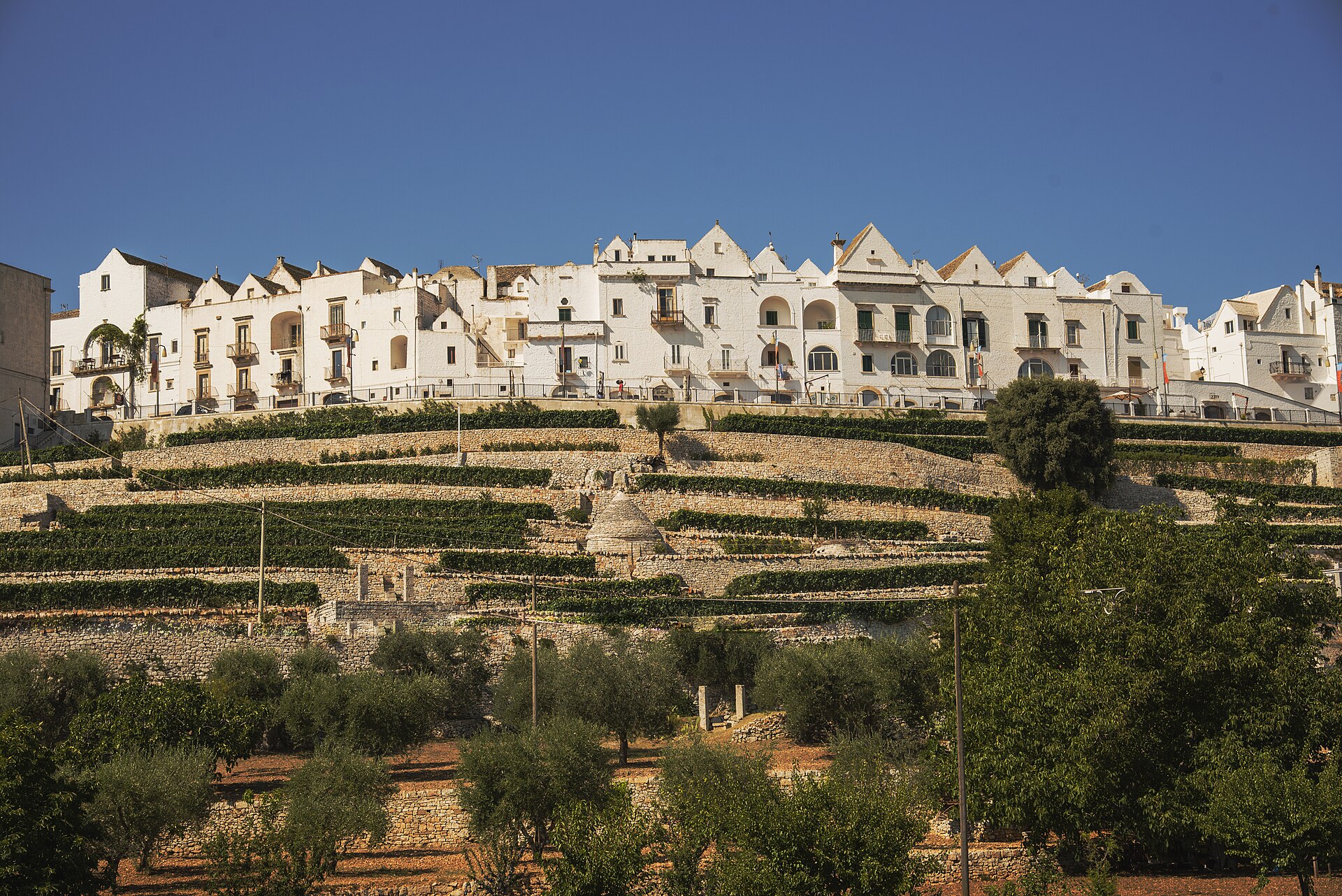
Visit Puglia highlights Locorotondo's white historic centre, panoramic terraces and local wine and olive-oil traditions. The useful rule is to protect flexibility where conditions, crowds or mobility can change the quality of the day. If a live access rule, reservation condition, transport schedule, closure or price becomes important, it must be checked again against a current official source before the plan is treated as operational fact.
Keep current access facts outside evergreen assumptions

Visit Puglia highlights Locorotondo's white historic centre, panoramic terraces and local wine and olive-oil traditions. Late spring and early autumn suit walking and outdoor meals; summer brings peak energy together with more heat and visitor pressure. A strong Valle d’Itria journey therefore connects trulli, masseria and olive groves instead of separating them into unrelated stops. Because each day has a different job, depth can increase without making the itinerary denser.
The OREVYON timing rule for Valle d’Itria
The OREVYON decision is simple: use timing to make Valle d’Itria more coherent, not more complicated. Keep what reinforces the destination's character, remove what creates avoidable friction, and leave enough room for the trip to respond to the person taking it. That creates a guide that explains when a choice fits, when it does not, and why.