
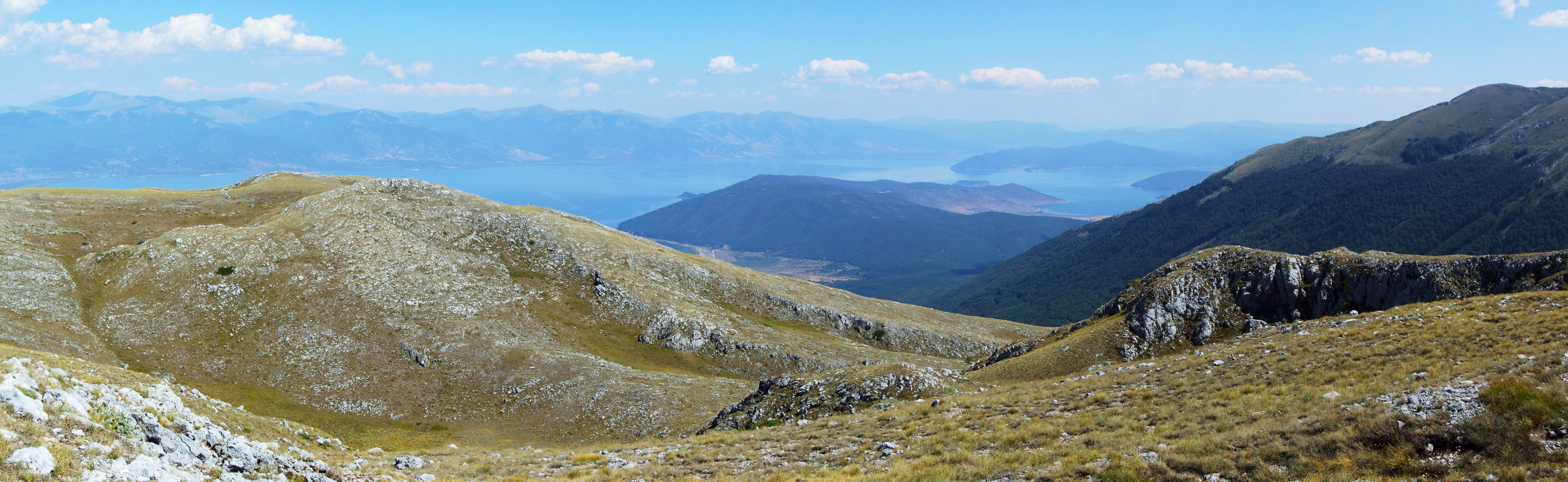
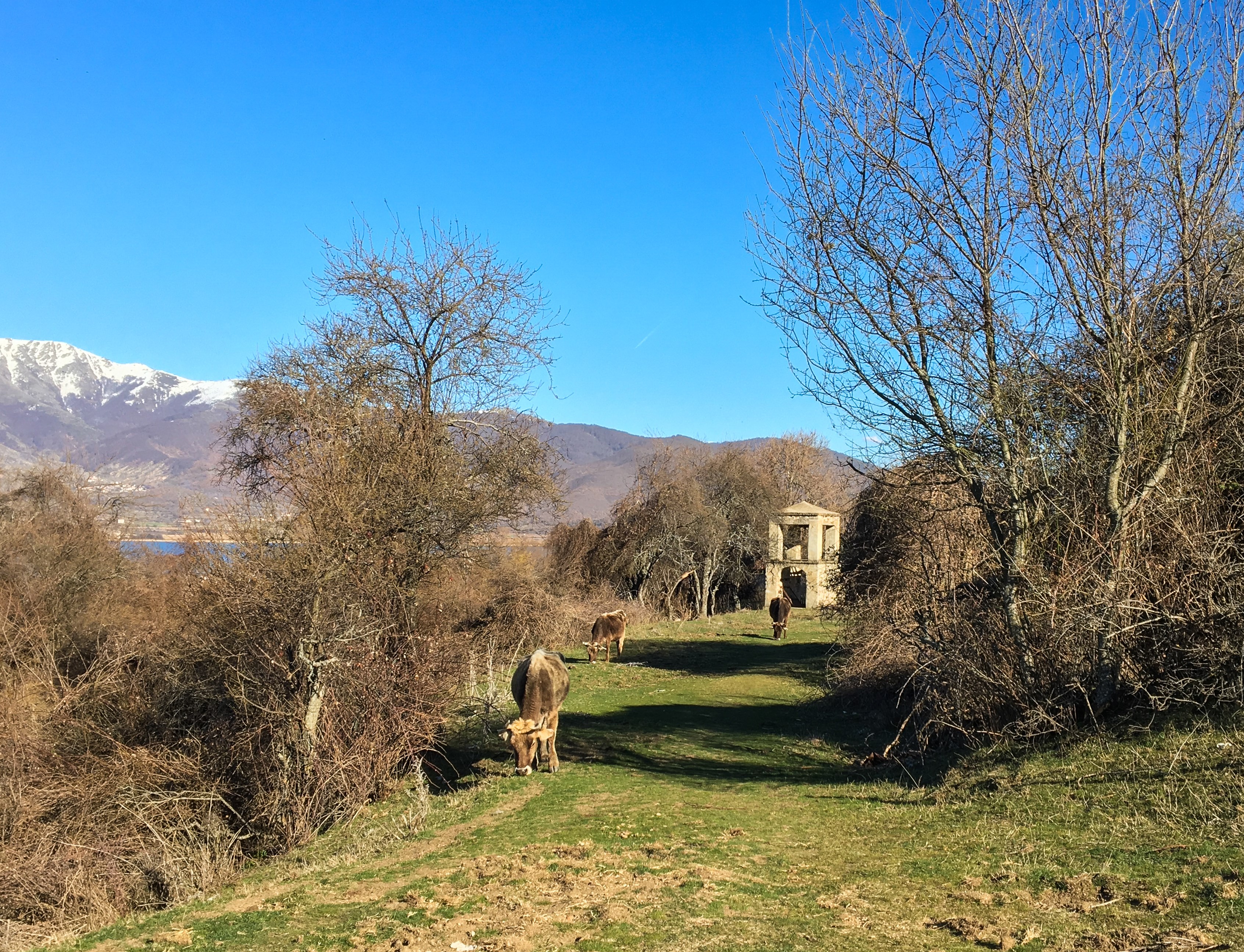
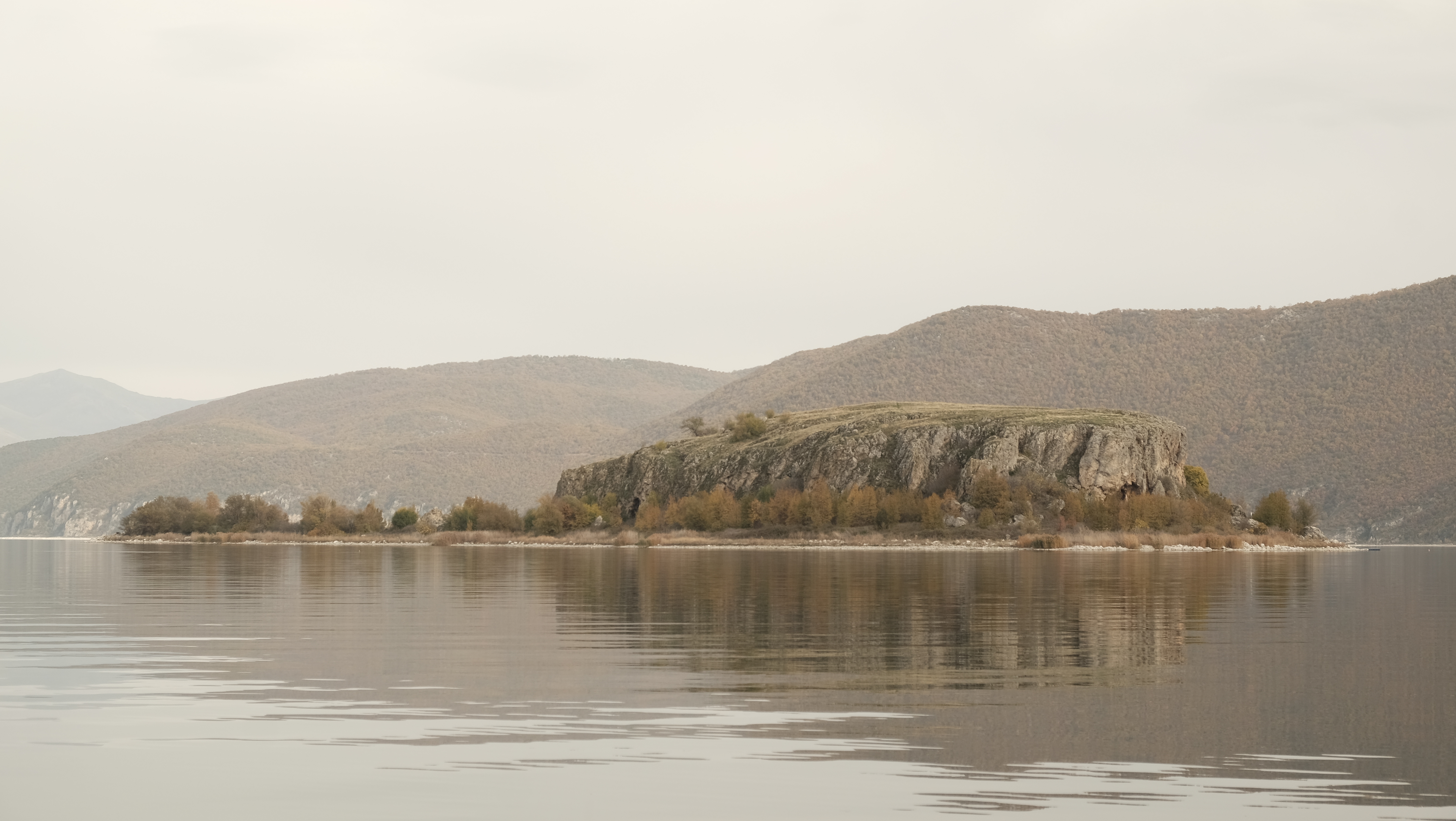
Prespa is a landscape where season changes what the journey is for. Walking, wetland observation, village time, birdlife and lake movement do not all peak at the same moment. The useful question is therefore not simply when the weather is best, but which version of this low-density border landscape you want to experience.
Spring — water, movement and returning life
Late spring creates one of Prespa’s broadest travel windows. Walking and wetland observation can share the same trip, villages remain part of the rhythm and days are long enough to keep the plan loose. Nature-led travellers gain most when they leave room for conditions rather than locking every hour in advance.
Summer — easier lake days, warmer decisions
Summer gives the lake a more active role and can make boat-led experiences easier to integrate, but heat and local visitor concentration change the day. Prespa still feels low-density compared with resort landscapes, yet the few natural gathering points can become busier. A good route preserves quieter edges instead of treating the lake as one attraction.
Autumn — space returns to the landscape
Early autumn is another strong all-round period because walking, village life and nature can remain central while summer pressure softens. It suits travellers who want the basin to feel like one connected landscape rather than a list of sights split across borders.
Winter — the quietest, most conditional Prespa
Winter strips the journey back. Weather and local services matter more, but the reward is a very subdued landscape where stillness, birdlife and village atmosphere can become the trip itself. This version fits travellers who are comfortable with fewer moving parts and more dependence on conditions.
The OREVYON read
Prespa rewards flexibility in every season. Late spring and early autumn offer the broadest balance, summer strengthens lake activity, and winter makes quiet the main product. Build the journey so one changed boat, walk or weather window never collapses the entire day.