

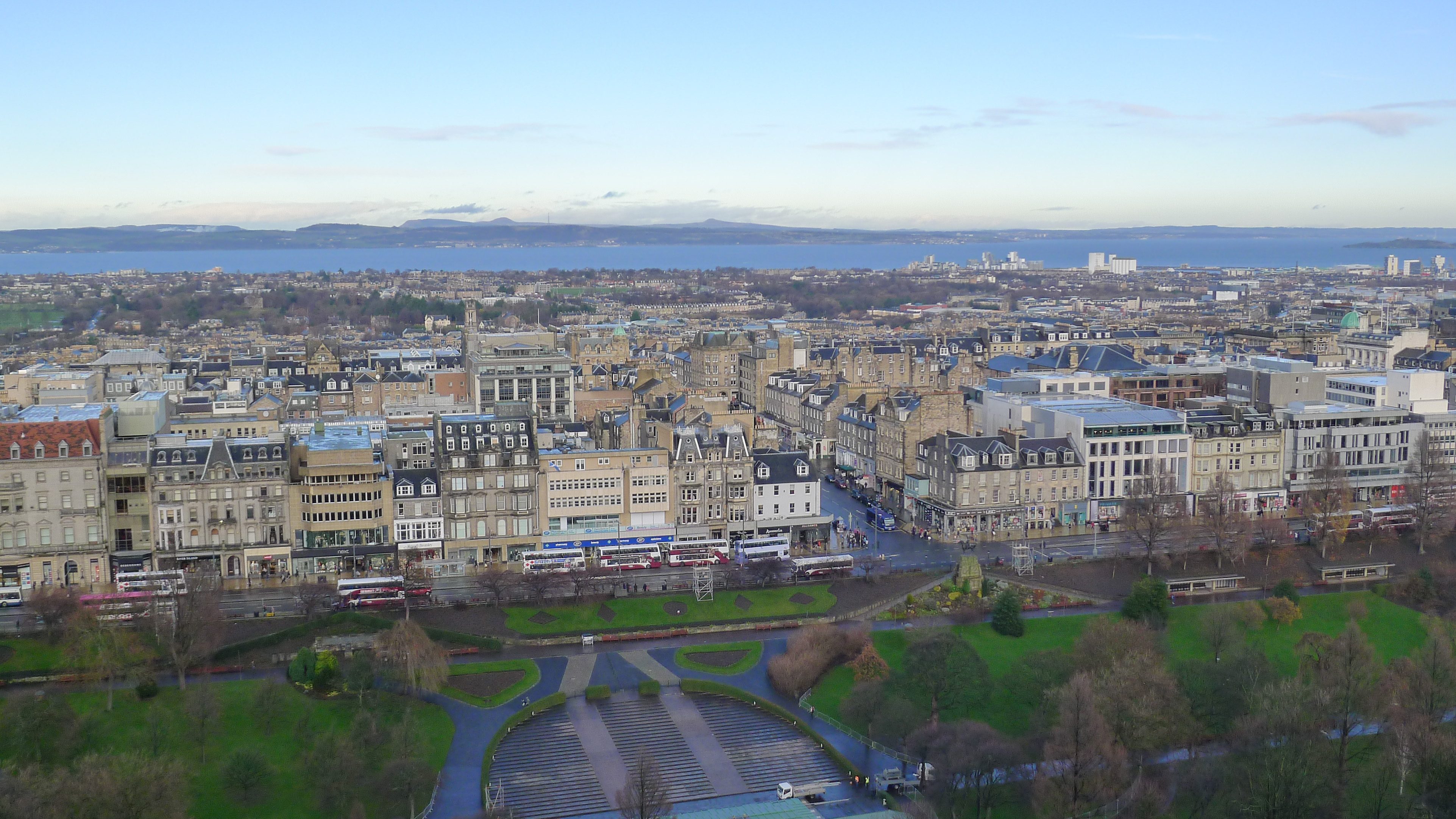

A five-day structure for Edinburgh that uses contrast, repetition and deliberate breathing room instead of stacking headline stops. For Edinburgh, the most relevant context is this: A compact hill city with major heritage, festival energy, and strong walkability.
Why five days work here
With a verblijfsdiepte of 3–5 nights, five days in Edinburgh are enough to build contrast without automatically speeding the trip up. The key is not filling five identical days, but giving each day a different job around history lovers, festival-goers, city-break travelers.
Day 1 — scale and rhythm
Start with one area or experience that makes history lovers immediately legible. Combine that with this mobility reality: The center is highly walkable, though hills make comfort matter. The first day should teach you how Edinburgh moves; it does not need to prove every famous point yet.
Day 2 — deepen the core
Use the second day for festival-goers. Give the main cultural, landscape or urban layer enough time to function as more than a stop. Choose Edinburgh for layered history, strong evenings, and a city that rewards walking.
Day 3 — contrast
Deliberately change pace or context toward city-break travelers. The goal is not to travel farther for its own sake, but to open a second face of Edinburgh. Keep this crowd profile in mind: Cultural city-break travelers and festival audiences concentrate in the core.
Day 4 — food, evening and local rhythm
Culinaire diepte: A meaningful part of the destination experience. Evening depth: Strong enough to support multiple distinct evenings. Use day four to travel with less dependence on best-known sights and let food, a return to a strong area and a later evening shape more of the structure. In this destination, OREVYON connects that directly to: Choose Edinburgh for layered history, strong evenings, and a city that rewards walking.
Day 5 — repeat what worked
The final day is not a leftovers bin. Return to the strongest combination from the first four days or use the time for something that earlier did not fit because of weather, energy or crowds. The biggest mistake is forcing travelers avoiding hills, those seeking low-energy solitude into the route at the end.