
Prespa is not a destination where timing is mainly about temperature. The strongest trip depends on how easily you can walk, watch birdlife, move between villages and use the lake without turning the Journey into weather or border logistics. Late spring and early autumn offer the best overall balance; summer can simplify some boat activity but is warmer, while winter is much quieter and more weather-dependent.
Late spring and early autumn offer the broadest fit
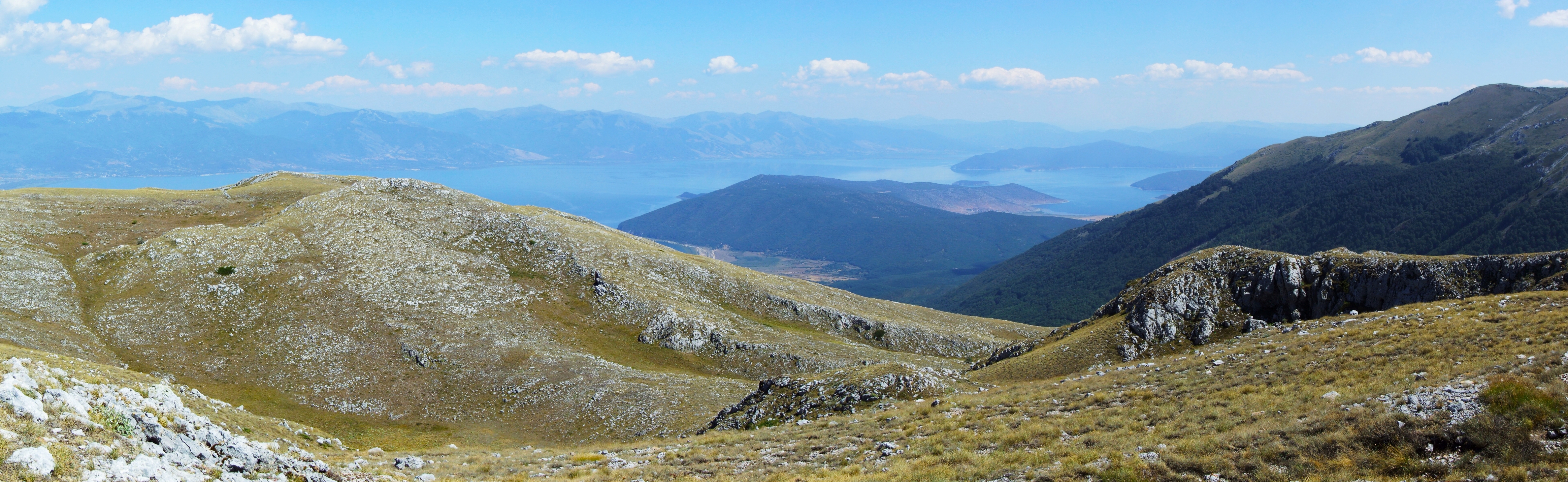
These periods support walking, wetland observation and long days around the basin without the strongest summer heat. They are particularly well suited to travellers who want nature and village life to carry equal weight.
Summer adds easier lake activity but not necessarily a better overall trip
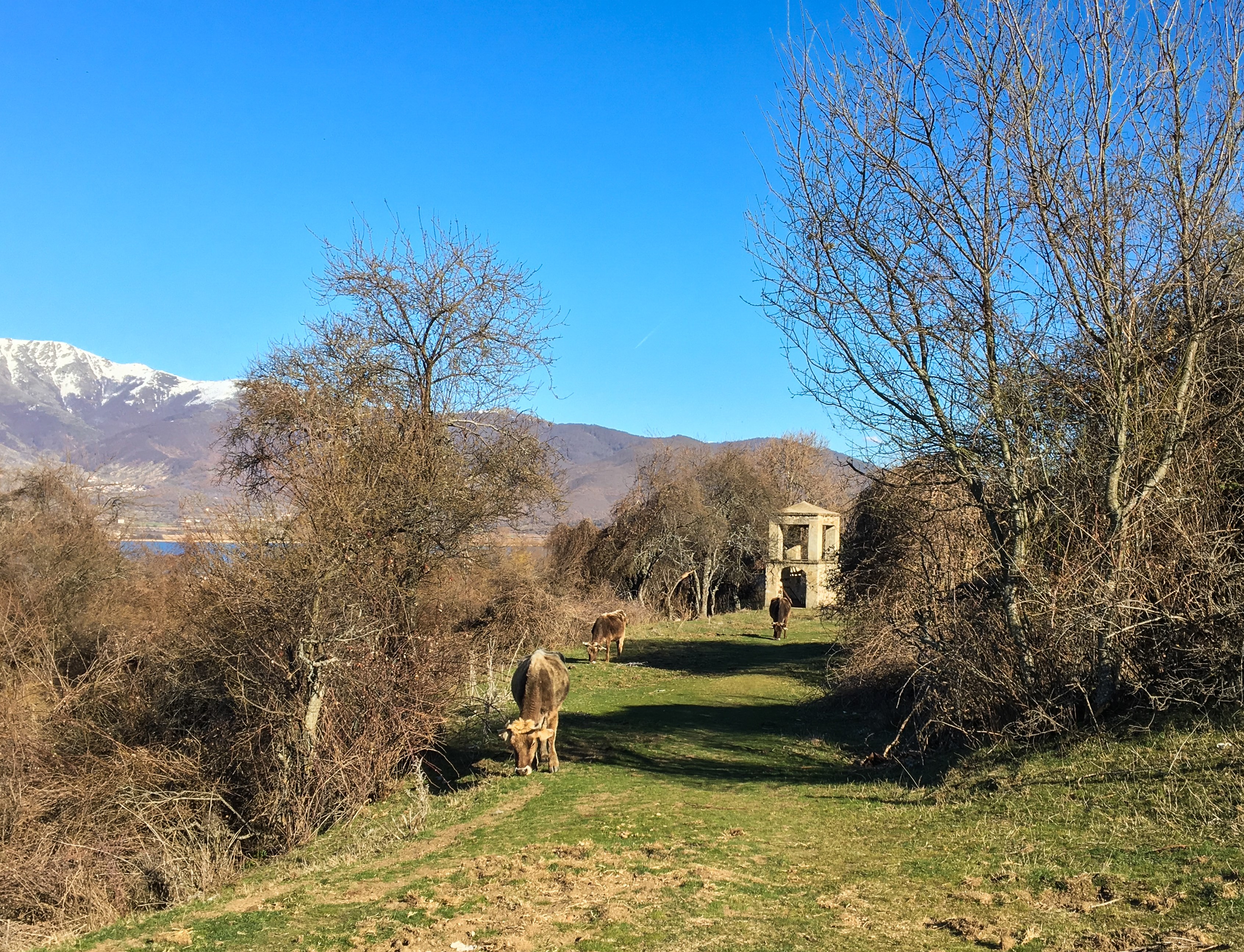
Warmer months can make boat excursions such as Maligrad more practical, but the trip also becomes hotter and local summer weekends can concentrate visitors in specific places. Prespa remains low-density overall, yet timing still matters at the few places where people naturally gather.
Birdlife gives the calendar another dimension
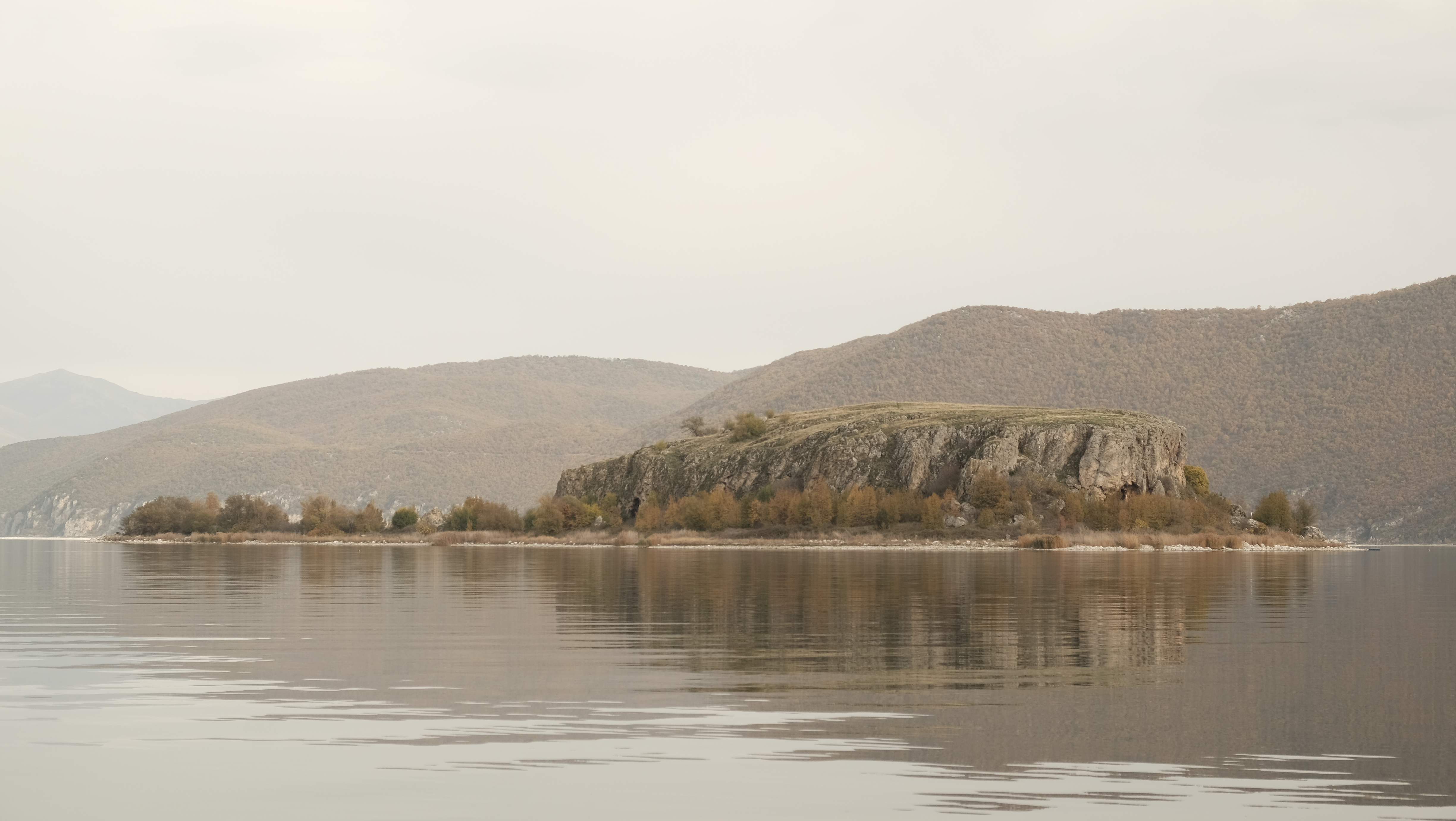
Prespa is an important breeding and wintering area for pelicans and other waterbirds. That means the strongest timing for a bird-focused Journey is not always identical to the strongest timing for hiking or lake excursions. Decide which nature experience matters most.
Winter is for travellers who genuinely want quiet
Winter creates the most subdued version of Prespa and increases dependence on weather and local services. It can suit travellers who value stillness, landscape and village atmosphere over a broad activity list.
Choose the season that protects flexibility
Prespa rewards plans with slack. If one boat, walk or border movement becomes less practical, the day should still work. Late spring and early autumn make that flexibility easiest, but every season can fit when the route reflects its constraints.