

Bangkok becomes more useful when first-trip structure is treated as a travel decision rather than a checklist. OREVYON reads this question through bangkok, wat pho, wat arun, chatuchak, yaowarat, bts. Start with 4–6 nights; 4 is a strong first-time baseline; use the destination's defining character, strongest base logic and known frictions to decide what deserves time. The point is to choose a shape that can survive real days, changing energy and local friction instead of forcing every known highlight into the same itinerary.
Start with the shape of Bangkok

Tourism Authority of Thailand highlights Bangkok's major historical and religious sites including Wat Phra Kaew, Wat Pho, Wat Arun and Golden Mountain. That editorial reading matters because it gives the trip a centre of gravity. Tourism Authority of Thailand also highlights Chatuchak Weekend Market, Sampeng, Yaowarat and Phahurat as part of Bangkok's market and shopping layer. Read together, those signals suggest that Bangkok works best when the traveller chooses what the day is for before choosing how many places to add. That is more useful than treating every famous stop as equally important.
Use Wat pho as a decision point

Large high-energy Southeast Asian capital where temples, markets, street food, river movement, rail transit and late-evening city life overlap. Ideal duration: 4–6 nights; 4 is a strong first-time baseline In practice, the decision should be made around the repeated parts of the trip: where mornings begin, how evenings feel, and how much movement a day can absorb. When wat pho and wat arun pull in different directions, the route should make the trade-off visible rather than pretending both can always be maximised.
Let Wat arun change the plan

BTS Skytrain publishes an extensive urban rail network with route planning, station information and interchange structure across Bangkok and surrounding areas. Give the temple core one coherent half-day instead of scattering temples across the trip This is where fit matters more than generic popularity. The guide is designed for travellers who recognise themselves in OREVYON's fit signals, while people who want a different pace or lower friction should be able to see that early. Instead of hiding the compromise, the content should make it actionable.
Build around the real trade-offs in Bangkok

Use BTS or other rail for long jumps, then walk locally The useful rule is to protect flexibility where conditions, crowds or mobility can change the quality of the day. If a live access rule, reservation condition, transport schedule, closure or price becomes important, it must be checked again against a current official source before the plan is treated as operational fact.
Keep Chatuchak connected to the journey
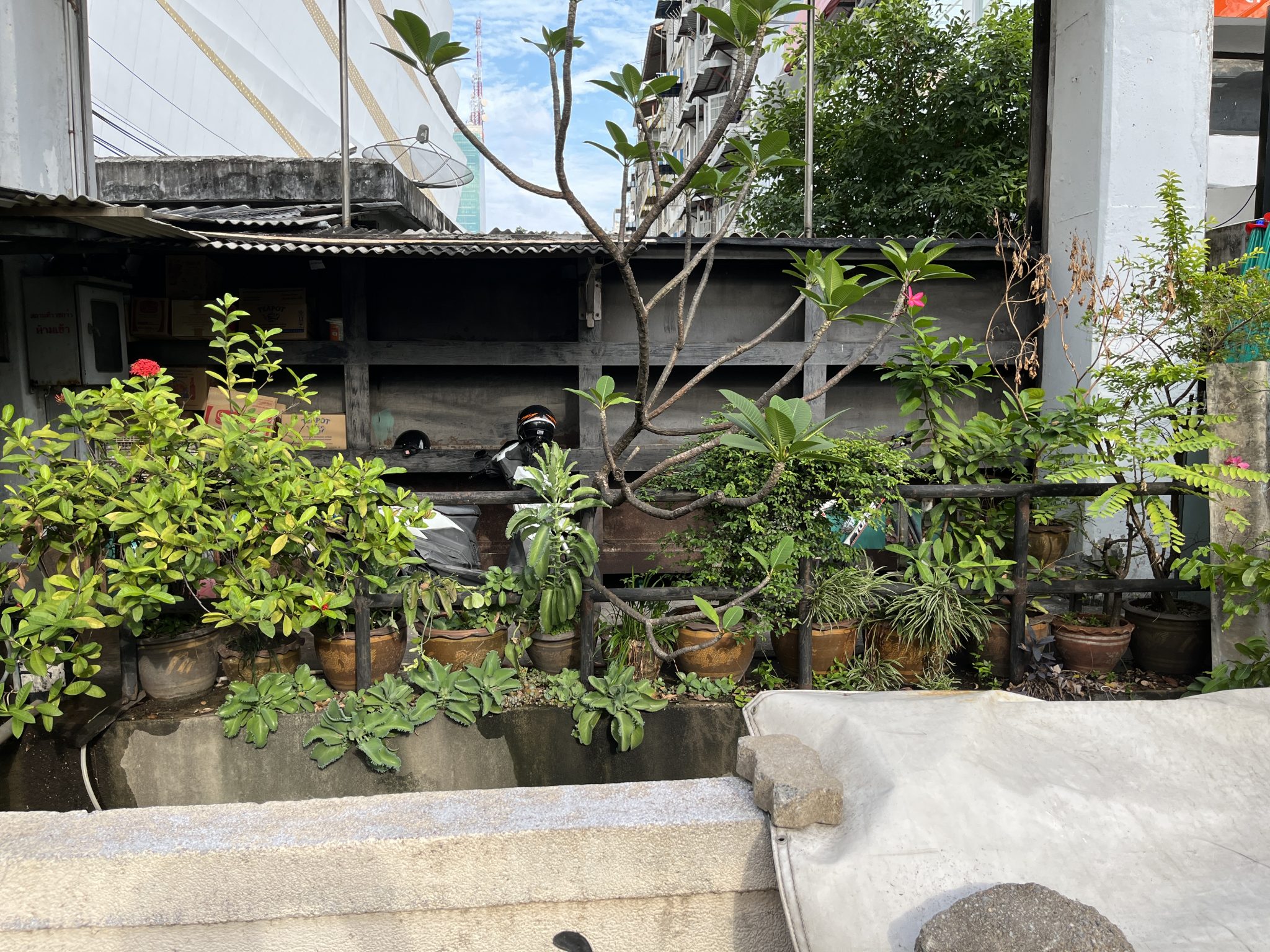
OREVYON treats Bangkok as strongest when temple districts, markets, food and evening life are clustered around strategic transit and river movement rather than attempted as one continuous walking city. Build one evening around Yaowarat rather than treating it as a quick food stop A strong Bangkok journey therefore connects chatuchak, yaowarat and bts instead of separating them into unrelated stops. Because each day has a different job, depth can increase without making the itinerary denser.
The OREVYON rule for Bangkok

The OREVYON decision is simple: use first-trip structure to make Bangkok more coherent, not more complicated. Keep what reinforces the destination's character, remove what creates avoidable friction, and leave enough room for the trip to respond to the person taking it. That creates a guide that explains when a choice fits, when it does not, and why.